Kapitel 1
Breaking Free: The Power of No Contact After a Breakup
Natalie Lue's "The No Contact Rule" has become a cultural phenomenon in relationship recovery circles, with celebrities like Jennifer Aniston and Taylor Swift reportedly embracing its principles after high-profile breakups. The book consistently ranks among Amazon's top relationship self-help titles, with over 500,000 copies sold worldwide. What makes this approach so compelling? Unlike traditional breakup advice that focuses on moving on through distraction, Lue's method addresses the psychological patterns that keep us trapped in unhealthy relationships. Her personal journey from serial relationship disappointment to finding lasting love has made her a trusted voice for those struggling to break free from toxic connections. The book's enduring popularity speaks to a universal truth: sometimes the path to healing requires drawing a firm line between your past and your future.
Kapitel 2
When Technology Makes Clean Breaks Nearly Impossible
In today's hyper-connected world, breakups have become infinitely more complicated. Before smartphones and social media, ending a relationship meant physical separation that naturally facilitated emotional distance. Now, technology enables what Lue calls "lazy access" - the ability for someone to maintain a presence in your life with minimal effort through texts, likes, or late-night calls. Even seemingly innocent digital interactions like watching Instagram stories or LinkedIn profile views can create painful reminders and false hope.
This digital connection particularly empowers commitment-resistant individuals who thrive on maintaining control. They become relationship "drivers," dictating terms while offering only crumbs of attention when it suits them. A simple "thinking of you" text at 2 AM, a casual comment on a social media post, or an ambiguous "like" on a photo can reignite emotional turmoil. They're addicted to the rush of beginnings but panic when relationships deepen, creating a painful cycle where they remain just present enough to keep you hoping, but never fully committed.
The psychology behind this behavior is revealing: these people need the security of knowing someone wants them while avoiding genuine commitment. They view breakups not as endings but as transitions to a different arrangement where they maintain access to your emotional support, physical affection, or ego strokes without reciprocal investment. This "breadcrumbing" behavior - dropping small bits of attention to keep someone on the hook - has become increasingly common in the digital age. They might resurface after weeks of silence with a casual "hey stranger" message or react to your social media posts just enough to remind you they're still watching.
Our reluctance to implement proper boundaries stems from several deep-seated fears: we worry they'll change after we leave, convinced we'll miss their transformation into the person we always hoped they'd be. We dread being alone in a world where everyone's highlight reel is constantly on display. We've become comfortable with familiar discomfort, treating relationship anxiety as normal. Sometimes we've convinced ourselves this is the best we can do, especially when dating apps and social media create the illusion of endless options while making genuine connections seem increasingly rare.
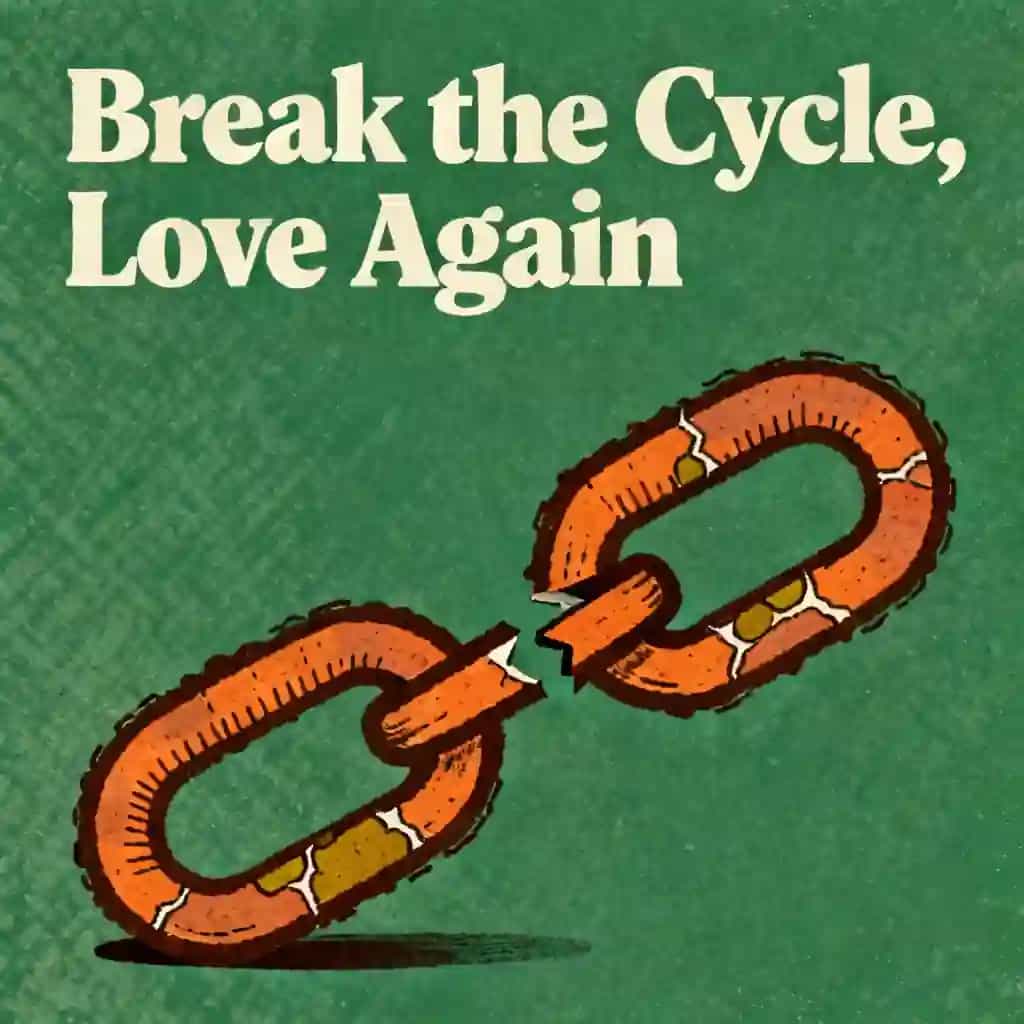
The No Contact Rule challenges this pattern by prioritizing self-preservation over the comfort of familiar pain. It recognizes that you deserve better than remaining tied to someone who doesn't truly value you, and it provides a framework for breaking up with dignity while avoiding becoming someone's "fallback option." This isn't about punishing them-it's about reclaiming your power and creating space for genuine healing. It means blocking numbers, unfollowing social media accounts, and removing digital reminders that might tempt you back into toxic patterns. The rule acknowledges that in our interconnected world, creating physical and emotional space requires deliberate, conscious effort and unwavering commitment to your own well-being.
Kapitel 3
Understanding No Contact: More Than Just Silence
No Contact isn't merely about avoiding communication-it's a comprehensive boundary-building practice that creates mental, emotional, and physical distance after a breakup. This includes avoiding texts, calls, emails, social media connections, physical intimacy, meetups, and even information-seeking through mutual friends.
The practice is particularly necessary when your words and actions have lost credibility through previous reconciliation attempts. If you've repeatedly threatened to leave only to return, your ex has learned that your boundaries are flexible and your ultimatums empty. NC reestablishes your credibility by demonstrating consistency between your words and actions.
Many misinterpret NC as punishment or manipulation, but its true purpose is self-protection and healing. The pain you experience isn't punishment but the natural process of extricating yourself from an unhealthy attachment. It differs fundamentally from the silent treatment, which is manipulative behavior within an ongoing relationship. In contrast, NC follows a clear breakup and represents a healthy boundary.
NC proves most appropriate in specific situations: when someone keeps you as an option without commitment, when you have low self-esteem and need space to rebuild it, when they're already in another relationship, when continued engagement creates mixed messages, in cases of stalking or abuse, when dealing with users who exploit vulnerabilities, in codependent relationships with blurred boundaries, or when you've lost self-respect through humiliating behaviors.
However, NC shouldn't be used to break off a relationship for the first time-unless they're abusive, you should properly communicate that you're ending things before implementing NC. Similarly, ending a marriage requires proper legal proceedings and communication, though NC principles can be applied afterward if boundaries aren't respected.
The "closure" we often seek from exes is largely illusory. We believe they hold the key to our healing, but this perspective keeps us trapped in unhealthy dynamics. True closure comes from within-from accepting reality and making the decision to close the door yourself rather than waiting for them to do it. If they wanted proper closure, you wouldn't need NC in the first place.
Kapitel 4
Implementing No Contact: Practical Steps
Successful NC requires controlling all communication channels to protect yourself both from their disruptions and from your own impulses. Each communication method represents a potential trigger with conditioned responses that can pull you back into unhealthy patterns.
When considering whether to notify your ex about NC, examine your motives carefully. If you've been attempting friendship unsuccessfully, a brief notification is reasonable, but avoid this step if the relationship was abusive or if you've previously attempted NC and failed. If you do notify them, keep it brief with three key points focused on your needs rather than attacking them, and avoid inviting further discussion.
For phone communication, develop healthier habits by establishing boundaries like turning off your phone after certain hours, checking messages only a few times daily, using Do Not Disturb settings, and deleting their number. Consider changing your ringtone to remind yourself to maintain NC, block their number if necessary, and screen all calls. Delete voicemails and texts immediately to prevent replaying them.
Email requires similar discipline-check with your provider about blocking and filter options, go invisible on chat platforms, and avoid using company email for personal conflicts. For social media, hide their profile from your news feed, consider defriending them, update privacy settings, avoid status updates that appear directed at them, curtail online snooping, and change profile pictures that include them.
Physical contact must stop completely during NC. Continuing any form of intimacy-whether sex, kisses, or cuddles-only prolongs the agony and prevents emotional progress. Special occasions often become excuses to break NC, but reaching out typically has underlying motives-it's really about ensuring you haven't been forgotten rather than genuine well-wishing.
When you've become close to your ex's family, you must essentially break up with them too. Call or email to explain you'll be out of touch for a while, keep explanations brief, don't get manipulated by guilt, and request they don't pass information between you and your ex. For possessions, send items by courier with signature confirmation or drop them off when your ex isn't present, and create comprehensive inventories to prevent repeated contact excuses.
Finding a trusted "NC buddy" provides crucial support during difficult moments. This person should be compassionate and objective, available for regular check-ins and late-night calls when you're feeling weak. While the first 1-3 months may require intensive support, recognize when you're progressing or becoming dependent, and remember to take interest in your friend's life too.
Kapitel 5
Navigating Tricky Situations: When Full NC Isn't Possible
While complete No Contact is ideal, certain circumstances require maintaining limited contact. "Low Contact" becomes appropriate when you must continue seeing someone due to co-parenting, working together, or finalizing legal/financial matters. The key distinction is engaging only to the degree needed for necessary interactions-nothing beyond that specific purpose. This requires careful boundary setting and consistent enforcement of communication protocols.
For co-parents, the challenge becomes particularly complex as you must balance emotional distance with effective parenting. Focus solely on the child's needs while maintaining polite distance. Create a detailed parenting plan that covers routine matters, emergencies, and special occasions. Prioritize your child's welfare over ego, establish clear boundaries immediately, and stay strictly on-topic during conversations. Use parallel parenting techniques where possible, communicating through dedicated co-parenting apps or email only. Avoid lingering during pickups/dropoffs by scheduling precise times and locations. Consider professional mediation for major decisions, and document all agreements in writing. Refuse guilt manipulation by staying focused on the children's needs rather than personal grievances. Adhere to consistent visitation arrangements without exception, prohibit unannounced visits, and absolutely avoid sexual relations with your ex, as this can reset emotional progress and create confusion for children.
When your ex is a colleague, NC becomes particularly challenging but remains necessary for emotional health. Approach the situation with determination, maintaining strictly professional interactions while avoiding resignation to the idea that NC won't work. Work environments are routine-based, which means new professional boundaries can quickly become normal if consistently maintained. Create physical distance by requesting desk moves if possible, schedule different break times, and use email rather than face-to-face communication when appropriate. Minimize unnecessary interactions by avoiding optional social events and keeping all conversations strictly work-related. Practice polite but brief encounters for unavoidable situations, using prepared scripts if needed. Plan healthy distractions during breaks, such as walks or calls with supportive friends.
Financial entanglements require careful handling and clear documentation. If you owe money, address it before going NC by paying in full if possible or proposing a clear repayment plan with specific installments and dates. Set up automatic payments to minimize contact and keep detailed records of all transactions. When they owe you money, have a final conversation about repayment before implementing NC, clearly agreeing on terms and payment methods. Document everything in writing, including payment schedules and consequences for missed payments. Sometimes letting go of debt can be less costly emotionally than pursuing it and remaining entangled. Consider debt consolidation or third-party collection services to maintain distance.
For relationships with legal entanglements (children, property, businesses), consult professionals early rather than waiting until emotions escalate. Establish clear communication channels through attorneys or mediators to minimize direct contact. For joint property, consider both moving out and renting it, potentially using a property management company to handle tenant issues and maintenance. Create detailed agreements about property maintenance, tax responsibilities, and eventual sale plans. Remove yourself from bills you're no longer responsible for, and meticulously document all conversations and correspondence. Set up separate accounts for shared expenses and use automated systems for recurring payments. Consider hiring a neutral third party to manage shared business interests or facilitate the dissolution of joint ventures.
Kapitel 6
Breaking Unhealthy Relationship Patterns
No Contact is essential because relationships operate on established patterns and habits that become deeply ingrained over time. Your ex makes assumptions based on your previous behavior and won't adjust their expectations until they receive significant, consistent signals that the old rules no longer apply. This psychological rewiring requires an extended period of complete separation - you must exceed your previous longest period of no communication. If you've been apart for 3-6 months before, you need 7-12 months minimum to truly break the pattern and establish new neural pathways.
In unhealthy relationship dynamics, your partner develops a detailed mental map of your behavioral patterns. They know precisely when they do X, you'll respond with Y - it becomes an automatic, almost Pavlovian response. X becomes either a cue (a subtle signal you've been conditioned to respond to) or trigger (an event causing an immediate and predictable reaction), while Y represents your full spectrum of responses - actions, thoughts, and emotional reactions. Common examples include: when they become distant (X), you bombard them with messages and attention (Y); when they express dissatisfaction (X), you immediately try to fix things through people-pleasing (Y); when they threaten to leave (X), you make promises and compromises against your better judgment (Y). This teaches them they can extract more emotional labor, attention, and concessions from you without offering reciprocal effort or commitment.
The "bait and switch" is a particularly insidious manipulative tactic where your ex pursues you persistently - through calls, messages, or mutual friends - until you finally respond. Once you engage, they suddenly become cold and distant, effectively flipping the dynamic so you appear to be the desperate pursuer. This role reversal can be deeply confusing and emotionally destabilizing: "You chase, they initially appear to reciprocate, they run." The cycle creates an addictive pattern of intermittent reinforcement. NC breaks this cycle by eliminating all responses - whether to their pursuit or withdrawal - preventing you from getting caught in this emotionally exhausting dance.
Physical and emotional distance provides crucial objectivity and perspective impossible to gain when you're emotionally enmeshed in a situation. When caught in an unhealthy relationship, your self-worth becomes dangerously entangled with avoiding unpleasant feelings, conflict, and abandonment. Every interaction becomes charged with the potential for emotional harm. By exiting completely and establishing firm boundaries, you protect yourself from engaging in self-depleting behavior patterns that drain your energy and erode your sense of self. NC teaches vital lessons about limits - both understanding what treatment you'll no longer tolerate and learning how to set and maintain healthy boundaries with others in future relationships.
Kapitel 7
Processing Loss and Grief During No Contact
Regardless of your relationship's length or whether it fully materialized, you've experienced a loss that requires processing. Many struggle with moving on because they haven't acknowledged this loss or don't know how to process it. When hopes and expectations aren't met, that's disappointment-about the relationship, the person, and especially about how you saw yourself within those hopes.
For those with low self-esteem, relationships often represent escape from a self they dislike. The truth is, when we struggle to let go of unhealthy relationships, it's rarely about the actual person but about our version of them or the future we'd imagined. Going through NC means acknowledging and accepting this loss rather than avoiding it through destructive distractions.
Like pregnancy has predictable stages, NC follows patterns that, while not identical for everyone, share common elements. In the initial phase, expect intense emotions and challenges to your willpower. You'll likely struggle with avoiding emotions, reconciliation attempts, text anxiety, and obsessive thoughts. This period brings waves of grief, denial, self-blame, desperation, and irrationality. Allow yourself to feel everything rather than pretending to be fine.
After the initial intensity subsides, watch for new challenges: getting addicted to drama, breaking NC out of boredom, false confidence, and guilt about your decision. Once NC becomes routine, you might relax too much and convince yourself you're ready for contact or friendship, believe they've changed, or experience waves of anger and sadness.
The grief process during NC typically follows five stages: denial (struggling to accept reality), anger (feeling furious with yourself and your ex), bargaining (creating compromises and deals), depression (truly accepting the relationship is over), and acceptance (gradually realizing you can think about your ex without your heart sinking). You'll move back and forth between these stages, but with commitment to yourself, you'll eventually reach and remain at acceptance-the stage that sets you free.
Kapitel 8
Overcoming the Compulsion to Break No Contact
Many people feel an almost irresistible urge to contact their exes, creating elaborate excuses to text, agonizing over birthday cards, or worrying about what their ex thinks about them not making contact. This compulsion often manifests in seemingly innocent ways - checking their social media "just to see how they're doing," orchestrating accidental run-ins at familiar places, or reaching out to mutual friends for updates. While they may physically cut contact, they remain mentally connected through obsession-essentially conducting the relationship in spirit on an alternative planet, analyzing every past interaction and imagining future scenarios.
This pattern emerges from chasing unhealthy thoughts and struggling with difficult emotions, especially those that reopen old wounds. Without objectivity or perspective, you remain submerged in illusions, convinced that having them in your life in any capacity is better than not having them at all-the "some crumbs is better than no crumbs" philosophy. This mindset often stems from deep-seated attachment issues, fear of abandonment, or unresolved trauma from past relationships. Each time you consider breaking No Contact, you're actually responding to these underlying emotional triggers rather than genuine connection needs.
Resistance manifests in multiple ways during the healing process after a breakup. You resist letting go by keeping mementos visible, maintaining shared streaming accounts, or refusing to delete photos. You resist getting real about the person and relationship by idealizing the good times and minimizing red flags. You resist making decisions about your future and embracing change-all driven by fear. The "familiar uncomfortable" feels safer than the "uncomfortable unknown," keeping you trapped in unhealthy cycles of hope and disappointment.
Several "booby traps" can derail NC progress: feeling rejected (believing you weren't "good enough" and trying to prove your worth), seeking validation from your ex (craving statements like "Tell me I'm not crazy" or "I miss you too"), being lured by nostalgia (especially when you're making real headway in your healing), and maintaining unrealistic expectations about the NC process or your ex's behavior. Holiday seasons, anniversaries, and significant life events become particularly challenging moments that test your resolve.
Remember that No Contact effectively communicates your boundaries and self-respect because it introduces consequences to someone who's learned you'll always be available regardless of their behavior. When you're constantly "there," responding to every text, accepting last-minute plans, or providing emotional support, they never miss you or face repercussions for their actions. By consistently demonstrating you're no longer accessible, you convey that you have boundaries and that their privileges have been revoked. This shift often catalyzes personal growth and helps rebuild your self-esteem, as you learn to prioritize your well-being over the temporary relief of contact.
Kapitel 9
Rebuilding Your Life Beyond the Relationship
No Contact (NC) represents more than just avoiding communication - it's a powerful tool that shifts control back to you and facilitates genuine healing. By maintaining NC, you create your own sense of closure rather than waiting for validation from someone who may never provide it. This practice builds emotional resilience and self-control in situations where you previously felt utterly powerless. While maintaining NC can feel overwhelming, especially during moments of weakness, it's significantly less painful than remaining trapped in cycles of toxic relationships that keep you unavailable for authentic connections.
Creating a meaningful life requires intentional action and consistent effort. When you actively fill your days with purpose-driven activities and future-oriented plans, you naturally enhance your self-confidence and strengthen your sense of identity. This renewed sense of self makes you not only happier but also naturally more attractive to emotionally healthy potential partners. Take concrete steps to build your new life: transform postponed dreams into current goals; enroll in that photography class you've always considered; join local sports leagues or hobby groups; create structured weekly social commitments; utilize platforms like Meetup.com, Facebook Events, or community boards to discover local activities; experiment with new experiences without pressure to excel; maintain open body language in public spaces; challenge yourself to accept social invitations that make you slightly uncomfortable; initiate regular friend gatherings; and explore meaningful activities like community service, educational pursuits, or solo travel adventures.
If you break NC (and many do), treat it as a learning opportunity rather than a failure. Use the experience to gather valuable insights about yourself and your ex-partner's impact on your emotional well-being. Analyze the specific triggers that led to contact, document how the interaction affected your emotional state, implement stronger boundaries (like blocking on additional platforms or changing your routine to avoid potential encounters), and double down on personal growth activities. Surround yourself with supportive friends who understand your journey and can provide accountability.
The transformation happens gradually - one day you'll realize you're no longer consciously practicing NC; instead, you're simply living your best life. The ultimate measure of growth comes when you can honestly answer this question: If you've developed a stronger, healthier relationship with yourself, would you still desperately want someone who compromised your well-being? Remember that true love should never require sacrificing your self-respect, trust, or personal values. If maintaining a relationship means diminishing yourself, always choose self-preservation. Trust in your capacity for growth and healing - the process works if you commit to it fully and prioritize your well-being above temporary comfort or familiar pain.