Kapitel 1
The Sweet Deception: How Sugar Infiltrated Our Food Supply
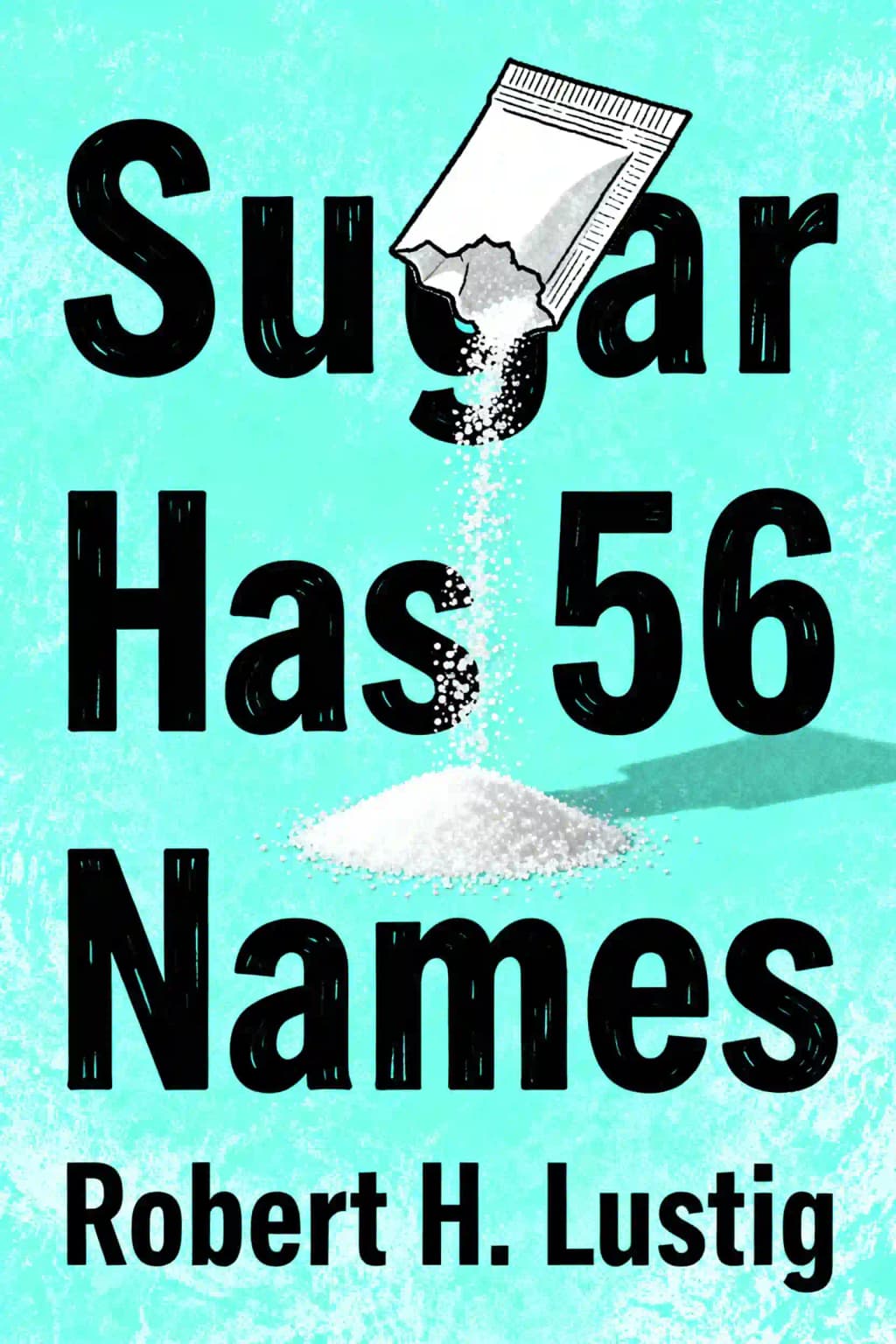
Sugar has 56 names, and it's hiding in plain sight. In a world where chronic disease rates are skyrocketing, pediatrician Robert Lustig has identified the culprit that few are willing to name: our processed food supply is systematically poisoning us. His book "Sugar Has 56 Names" became a sensation when it revealed the food industry's deliberate strategy to hook consumers on sweetness while concealing sugar behind dozens of scientific-sounding aliases. The book has influenced celebrities from Oprah Winfrey to Tom Hanks (who has spoken openly about his Type 2 diabetes diagnosis) and sparked a revolution in how we view "healthy" foods. What makes this work particularly powerful is that Lustig isn't just another diet guru - he's a practicing endocrinologist who has watched childhood obesity quadruple since 1980 and has treated the devastating consequences. His work has transformed how major food companies label their products and inspired millions to become sugar detectives in their own kitchens.
Kapitel 2
The Stealth War in Your Grocery Store
You're an unwitting soldier in a battle you never signed up for. The battlefield? The seemingly innocent aisles of your local supermarket. The stakes are your tastebuds, wallet, wellbeing, and most critically, your health. Whether you realize it or not, you're at war with the food industry, and they're winning. Their goal is straightforward: to maximize profits by selling food that costs them least to produce while commanding the highest prices. Unfortunately, what's good for their bottom line is typically terrible for your health.
This isn't merely about obesity anymore. While childhood obesity has quadrupled since 1980 and adolescent Type 2 diabetes has exploded from virtually non-existent to 40,000 cases today, the real story is more nuanced. About 20% of obese people are metabolically normal, while a shocking 40% of normal-weight individuals suffer from metabolic diseases. The true enemy is metabolic syndrome-a cluster of conditions including high blood pressure, heart disease, fatty liver disease, cancer, and even dementia.
These diseases stem from energy overload and poor processing in our cellular powerhouses, the mitochondria. Our food environment has been systematically corrupted. Between 1982 and 2012, processed foods and sweets doubled from 11.6% to 22.9% of American food spending, while real food consumption declined proportionally. Think about that-nearly a quarter of our food budget now goes toward items engineered in laboratories rather than grown in fields.
Have you noticed how supermarkets are designed? The perimeter houses real foods-produce, meat, dairy-while the interior aisles contain mostly processed items with extended shelf lives. This isn't accidental. The longer food sits on shelves, the more profitable it becomes for retailers. But what extends shelf life? Primarily sugar and trans fats-two ingredients that wreak havoc on our metabolic health.
The most disturbing aspect is how this transformation happened with our tacit approval. We've been seduced by convenience, flavor engineering, and clever marketing into accepting food that isn't really food at all. And the consequences are devastating our health care system, with chronic metabolic diseases now accounting for 75% of healthcare costs. The food industry won't change its practices until consumers demand better-with both their voices and their wallets.
Kapitel 3
The Weapons of Mass Destruction in Your Pantry
Eight fundamental changes to our food supply have driven the epidemic of chronic metabolic diseases, all implemented by the food industry for profit rather than health. Five nutrients in particular, when consumed in excess, cause disease through different but related mechanisms.
Trans fats stand as perhaps the single most dangerous item in our food supply. Patented in 1902 and introduced in Crisco in 1911, these synthetic fats extend shelf life because bacteria can't digest them. Unfortunately, neither can our mitochondria. Instead, they accumulate in our arteries and livers, acting essentially as consumable poison. Despite being recognized as harmful since 1988, they remained on the FDA's Generally Recognized as Safe (GRAS) list until recently due to food industry pressure.
Imagine putting plastic in your car's engine instead of oil-that's essentially what trans fats do to your body's metabolic machinery. They jam the works, creating inflammation and cellular dysfunction. When you see "partially hydrogenated" on an ingredient list, that's code for trans fats, and it should be an immediate red flag.
Omega-6 fatty acids present a more complex problem. While essential in small amounts, our modern diet contains these pro-inflammatory compounds in massive excess. The ideal ratio of omega-6 to omega-3 fatty acids should be roughly 1:1, but the typical American diet provides about 25:1. This imbalance creates a constant state of low-grade inflammation throughout the body. These fats come primarily from vegetable oils like corn, soybean, and safflower, as well as from corn-fed animals whose meat reflects their unnatural diet.
Think about how different this is from our ancestors' diet. They consumed animals that ate natural diets rich in omega-3s from grass and wild plants. Today's industrially raised livestock receive corn and soy feed, dramatically altering their fat composition and passing those imbalances on to us.
Branched-chain amino acids-leucine, isoleucine, and valine-make up over 20% of amino acids in the Western diet. Unless you're actively building muscle, these specific amino acids overwhelm mitochondria and convert to liver fat, correlating strongly with metabolic syndrome. They're particularly abundant in corn-fed beef and processed foods fortified with protein isolates.
Alcohol produces complex effects where small amounts can be beneficial (the "French paradox"), but excess causes liver fat accumulation and metabolic syndrome. The liver prioritizes alcohol metabolism over all other nutrients, leading to fat accumulation when consumed regularly in more than modest amounts.
Finally, sugar-particularly fructose-may be the most insidious weapon of all. Americans consume about 22 teaspoons daily, with roughly half hidden in unexpected foods like yogurt, tomato sauce, and even bratwurst. Fructose is metabolized almost exclusively by the liver, where it overloads mitochondria and creates liver fat through a process called de novo lipogenesis. This liver fat drives insulin resistance, the cornerstone of metabolic syndrome.
What makes sugar particularly dangerous is its addictive quality. Fructose doesn't trigger leptin, the satiety hormone that tells your brain you've had enough. Instead, it stimulates ghrelin, the hunger hormone, creating a vicious cycle of craving and consumption. Ever wonder why you can drink a 20-ounce soda without feeling full, despite consuming 65 grams of sugar? That's the fructose effect-invisible calories that drive hunger rather than satisfying it.
Kapitel 4
Decoding the Label: Your Shield in the Sugar Wars
With 80% of America's 600,000 food items containing added sugar, we must become our own defense force. The FDA offers minimal protection, regulating only "acute" toxins while largely ignoring chronic ones. The GRAS (Generally Recognized As Safe) list compounds this problem by grandfathering in harmful substances like sugar and trans fats without proper scientific review. Food companies can easily get additives approved through company-paid scientist meetings, with thousands of items never properly evaluated for long-term health effects.
Reading food labels becomes our primary defense-though even this is deliberately challenging. The Nutrition Facts label created in 1990 is "the most duplicitous subterfuge ever devised by the government" because it withholds crucial information. For example, it lists total sugars without distinguishing between naturally occurring and added sugars, making an apple and a candy bar appear nutritionally similar in that category.
Have you ever noticed how serving sizes often seem unrealistically small? That's no accident. By listing multiple servings in packages typically consumed at once, manufacturers can make sugar content appear lower than what most people actually consume. A "single-serving" bottle of juice might actually contain 2.5 servings, meaning you're getting 2.5 times the sugar shown on the label if you drink the whole thing (which most people do).
When examining labels, don't focus exclusively on total calories-instead, calculate the percentage coming from carbohydrates, as these drive insulin release and weight gain. The formula is simple: multiply carbohydrate grams by 4 (calories per gram), then divide by total calories. If more than 40% of calories come from carbs, particularly refined ones, proceed with caution.
The "Total Fat" listing is virtually meaningless since different fats have dramatically different health effects-omega-3s are beneficial while trans fats are deadly. The seven fat categories, from healthiest to most harmful: omega-3s (anti-inflammatory), monounsaturates (improve metabolism), polyunsaturates (mixed effects), saturated fatty acids (neutral for most people), medium-chain triglycerides (energy source), omega-6s (pro-inflammatory), and trans fats (synthetic and dangerous).
The "saturated fat hypothesis" of heart disease has been largely debunked. For most people, saturated fat is cardiovascularly neutral-it doesn't help, but it doesn't hurt either. Your liver actually requires some saturated fat to function properly and will manufacture it if you don't consume any. Only those with specific genetic conditions need to restrict saturated fat severely.
When checking for trans fats, the nutrition panel isn't enough-products with less than 0.49g per serving can be labeled "trans fat free," allowing harmful accumulation from multiple "trans fat free" foods. Always check ingredients and avoid anything with "partially hydrogenated" oils, regardless of what the nutrition facts claim.
The term "polyunsaturated fat" misleadingly combines three distinct fat types with different health effects: beneficial omega-3s, neutral omega-9s, and problematic omega-6s. Since the label doesn't distinguish between these types, check the ingredients list-if plant-based oils appear high on the list, assume high omega-6 content.
Dietary cholesterol has been wrongly vilified since the 1970s. It's actually an essential nutrient for making cell membranes and hormones, which your body will produce if you don't consume enough. What matters isn't total cholesterol consumption but where it goes in your body-if it goes to HDL, that's beneficial; if to triglycerides or small dense LDL, that's problematic.
The most deceptive category is "Total Sugars," which combines inherent sugars (in fruit with fiber), milk sugar (lactose), and added sugars without distinction. For example, a 6-ounce pomegranate yogurt typically contains 19g sugar-7g from natural lactose and 12g added sugar (equivalent to a bowl of Cap'n Crunch). "Natural" sweeteners like evaporated cane juice, agave, honey, and maple syrup are still sugar and just as metabolically toxic gram for gram.
Perhaps most telling, sugar has no Dietary Reference Intake (DRI)-the only foodstuff without one-because the food industry successfully argued sugar "is not a nutrient," allowing unlimited addition to processed foods without any recommended upper limit.
Kapitel 5
Navigating Daily Food Battles: Practical Strategies
While nutrition experts consider breakfast the most important meal for jumpstarting brain function and metabolism, busy schedules often lead to poor choices. Most commercial breakfast options-cold cereals, instant oatmeal, breakfast sandwiches, cereal bars, and smoothies-contain excessive sugar. A typical 1-cup serving of cold cereal contains about 12 grams of added sugar, and most people don't measure portions.
Have you ever noticed how hungry you feel an hour after eating most breakfast cereals? That's the sugar crash in action. Your blood glucose spikes, triggering an insulin surge, followed by reactive hypoglycemia that leaves you craving more carbohydrates. It's a vicious cycle designed to keep you coming back for more.
For quick, healthier alternatives, try: 1) Preparing bacon the night before and reheating it in the morning, 2) Quickly scrambling eggs in a small pan, or 3) Making steel-cut oatmeal the night before and microwaving it in the morning. These options provide protein and fat that sustain energy levels without the crash.
Lunch presents similar challenges in our time-pressed world. School lunches are particularly problematic-with only $2.27 per student in the National School Lunch Program, schools serve processed foods with hidden sugars. Even with Michelle Obama's intervention, sugary drinks are often simply replaced with high-sugar granola bars and other "healthy" options that aren't much better.
The best solution is bringing lunch from home, but for maximum success with children, have them make and pack their own lunches-they'll have ownership and be more likely to eat what they chose. Adults should also bring sandwiches from home, preferably on whole grain bread with something green. For a satisfying finish, pack small portions of nuts (with fiber and good fats) or an apple instead of sugary treats.
Dinner presents perhaps the greatest challenge. It's tempting to abdicate responsibility when you're tired and stressed. But eating out or ordering in means losing control over food composition and portion size. Surrendering more than once a week isn't just abdicating-it's surrendering to poor health.
To maintain control: exercise before dinner to reduce stress; start with a salad (without high-fructose corn syrup in the dressing) to fill you up and provide fiber; eat at the table instead of in front of the TV; wait twenty minutes before taking seconds; and if you want dessert at a restaurant, consider a cheese plate with fruit and nuts, or share a small special dessert among the family.
Our food system is filled with bizarre sugar contradictions. BBQ beans range from 2 to 21 grams of sugar per half cup; refried beans sometimes list zero sugar despite having sugars in the ingredients; fruit juices lack nutritional labels because the FDA considers them "unprocessed" despite being fiberless sugar delivery systems; bread contains artificial sweeteners like sucralose and stevia; breakfast sausages list sugar ingredients but claim zero sugar content; crackers like Wheat Thins contain double the sugar of competitors; Quaker Fruit & Cream oatmeal packets contain nearly double the sugar of standard varieties in smaller portions; and snack foods like jerky can derive up to one-third of their calories from sugar.
As Liese Nichols wisely said, "A problem is something you can't fix with money." Poor health falls into this category. While healthy food costs more upfront, it's like the old Fram Oil Filter commercial: "You can pay me now, or you can pay me later." Investing in quality food now prevents paying for medications and hospitalizations later.
Kapitel 6
The Hidden Sugar in Everyday Foods: What the Labels Don't Tell You
The true extent of sugar's infiltration into our food supply becomes apparent when examining specific products. Beans, for example, show dramatic variations-plain varieties like black or cannellini beans contain minimal natural sugars (0-1g), while flavored varieties like Bush's Grillin' Beans in Steakhouse Recipe pack a whopping 21g of sugar per half-cup serving. Even standard baked beans contain 11-16g of sugar per serving, often from multiple sweetener sources including brown sugar, molasses, and dextrose.
This pattern repeats across virtually every food category. Beverages demonstrate particularly stark contrasts-unsweetened almond milk contains 0g sugar, while the sweetened vanilla version packs 14g per cup. Coconut waters range from less than 1g sugar in unsweetened varieties to 20g in sweetened ones. Fruit juices, despite their health halo, deliver concentrated sugar without fiber-apple juice contains 26g sugar per 8oz, while pomegranate juice packs 32g.
Even staple foods like bread harbor hidden sweeteners. Most sandwich breads contain 4-5g sugar per two slices, with budget brands typically using high-fructose corn syrup while premium brands use regular sugar. Sara Lee's "45 Calories Wheat Bread," marketed as a diet option, contains four different sweeteners despite its low-calorie positioning. Hamburger and hot dog buns similarly contain 2-6g sugar per serving, with most using high-fructose corn syrup as their primary sweetener.
Breakfast foods represent perhaps the most sugar-laden category. Cold cereals typically contain 6-12g sugar per small serving (about 30g), often from multiple sweetener sources. Even "healthier" options like Kellogg's Fiber Plus varieties contain 7-12g sugar. Granolas like Nature's Path Hemp Plus and Trader Joe's Organic Mango Passion contain 10g sugar per serving from multiple sweeteners including evaporated cane juice, various syrups, and molasses.
Have you ever wondered why breakfast foods seem particularly sweet? There's a historical reason-breakfast cereals were originally developed as health foods by religious groups like Seventh-day Adventists, who believed sweet foods would reduce the desire for alcohol. Over time, manufacturers discovered that increasing sugar content boosted sales, particularly to children, leading to an arms race of sweetness.
Condiments and sauces represent major sources of hidden sugars. Heinz Ketchup contains 4g sugar per tablespoon from high-fructose corn syrup and corn syrup. Pasta sauces vary widely, with Prego containing 10g sugar per serving while Rao's Homemade contains just 3g of naturally occurring sugar with no added sweeteners. Even savory curry sauces contain 3-6g sugar per serving, often from added sugar sources.
Perhaps most surprising is the sugar content in yogurt products. Activia flavored yogurts contain 17-19g sugar per 4oz serving, while Yoplait Original varieties pack 26g sugar per 6oz serving. Even Greek yogurts, often perceived as healthier, aren't necessarily lower in sugar-Chobani's flavored non-fat options contain 18-21g sugar per 6oz serving, with only the plain variety containing just naturally occurring lactose (9g).
The pattern becomes clear: processed foods across virtually all categories contain added sugars, often in amounts that would surprise consumers. Even foods marketed as healthy-yogurt, granola, whole grain bread, fruit juice-frequently contain as much or more sugar than obvious dessert items.
Kapitel 7
The Sugar Aliases: 56 Ways to Hide the Sweet Truth
The food industry has developed an impressive arsenal of alternative names for sugar, allowing them to hide its prevalence on ingredient lists. When sugar appears multiple times under different names, each individual sweetener moves further down the ingredient list (which is organized by weight), creating the illusion that sugar is a minor component when it may actually be the predominant ingredient when all forms are combined.
Some of the most common sugar aliases include: agave nectar, barley malt, beet sugar, brown rice syrup, brown sugar, cane crystals, cane juice, cane sugar, caramel, corn sweetener, corn syrup, corn syrup solids, date sugar, dextrin, dextrose, evaporated cane juice, fructose, fruit juice concentrate, glucose, high-fructose corn syrup, honey, invert sugar, lactose, malt syrup, maltodextrin, maltose, maple syrup, molasses, raw sugar, rice syrup, saccharose, sorghum, sucrose, and turbinado sugar.
Each of these ingredients affects your body similarly-they're all sugar, regardless of whether they come from organic, natural, or highly processed sources. Your liver doesn't distinguish between honey and high-fructose corn syrup-both contain fructose that must be processed by the liver, potentially contributing to metabolic dysfunction when consumed in excess.
This labeling strategy creates particular challenges for consumers trying to make healthier choices. A product might prominently claim "no high-fructose corn syrup" while still containing multiple other sweeteners. Similarly, "no added sugar" products often contain fruit juice concentrates, which are essentially sugar with minimal nutritional value.
The deception extends to "reduced sugar" products, which frequently substitute artificial sweeteners while maintaining some added sugars. These products train the palate to expect extreme sweetness, potentially increasing cravings for sweet foods overall. Additionally, some research suggests artificial sweeteners may disrupt gut bacteria and metabolic processes, potentially contributing to the very problems consumers are trying to avoid by choosing "sugar-free" options.
Kapitel 8
Taking Control: Practical Shopping and Eating Strategies
Given the pervasiveness of hidden sugars, how can consumers protect themselves? Lustig offers several practical strategies that don't require obsessive label-reading or complex calculations.
First, shop the perimeter of the supermarket, where most whole, unprocessed foods are located. Fresh produce, meats, and dairy typically contain minimal added sugars compared to the processed items filling interior aisles. When you do venture into those aisles, be particularly wary of products with recognizable company logos, as these are almost always heavily processed.
Second, adopt a simple ingredient-checking system: if sugar appears among the first three ingredients, treat the item as dessert rather than a regular food item. Similarly, if a product contains "partially hydrogenated" anything, leave it on the shelf regardless of its sugar content, as trans fats represent an independent health risk.
Third, be skeptical of health claims. Products loudly proclaiming their health benefits ("heart healthy," "natural," "organic") often contain significant added sugars. Remember that organic sugar is still sugar, and "made with whole grains" doesn't mean the product is primarily whole grain-it could contain minimal whole grains with refined flour making up the majority.
Fourth, prepare more food at home where you control the ingredients. This doesn't require elaborate cooking-simple meals with basic ingredients typically contain far less sugar than processed alternatives. Batch cooking on weekends can provide quick meal options during busy weekdays without resorting to heavily processed convenience foods.
Fifth, gradually retrain your palate to appreciate less sweetness. Our taste preferences are malleable-after several weeks of reduced sugar consumption, previously normal foods often taste excessively sweet, while the natural sweetness in whole foods becomes more apparent and satisfying.
Finally, focus on adding rather than just restricting. Incorporate more fiber-rich foods, healthy fats, and protein, which help stabilize blood sugar and reduce cravings. When you do consume sugar, pair it with fiber, fat, or protein to slow absorption and minimize blood sugar spikes.
Remember that perfect shouldn't be the enemy of good-even reducing sugar consumption by half would represent significant metabolic improvement for most Americans. Small, sustainable changes ultimately prove more effective than dramatic but short-lived dietary overhauls.
Kapitel 9
Beyond Personal Choice: The Need for Systemic Change
While individual food choices matter, Lustig emphasizes that the sugar problem extends beyond personal responsibility. Our food environment has been systematically altered to maximize profits at the expense of public health, with government policies often supporting these changes through agricultural subsidies, regulatory decisions, and dietary guidelines influenced by industry interests.
The FDA's reluctance to establish a Dietary Reference Intake (DRI) for sugar exemplifies this problem. Every other nutrient has established guidelines for minimum requirements or maximum safe intake levels, but sugar remains the exception-allowing unlimited addition to processed foods without any official upper boundary.
Similarly, labeling regulations permit significant deception. Products containing less than 0.5g of sugar per serving can claim "0g sugar" despite containing sweeteners. Serving sizes often understate typical consumption, making sugar content appear lower than what most people actually consume. And the failure to distinguish between naturally occurring and added sugars on nutrition labels makes nutritious foods like plain yogurt appear similar to heavily sweetened varieties.
Meaningful change requires both individual action and systemic reform. Supporting policies that improve labeling transparency, reduce sugar in school foods, eliminate subsidies for sugar production, and fund public health education can help create an environment where healthy choices become easier.
The stakes couldn't be higher. The metabolic diseases driven by excessive sugar consumption now account for the majority of healthcare spending and threaten to make current children the first generation to have shorter lifespans than their parents. But knowledge is power-by understanding sugar's many disguises and implementing practical strategies to reduce consumption, we can protect our health despite living in a food environment designed to undermine it.
As Lustig concludes, good food increases happiness, creativity, cognitive function, and productivity while reducing weight, visceral fat, metabolic syndrome risk, and long-term medical costs. It's a blue-chip investment with guaranteed returns-not just for individuals, but for families and society as a whole.