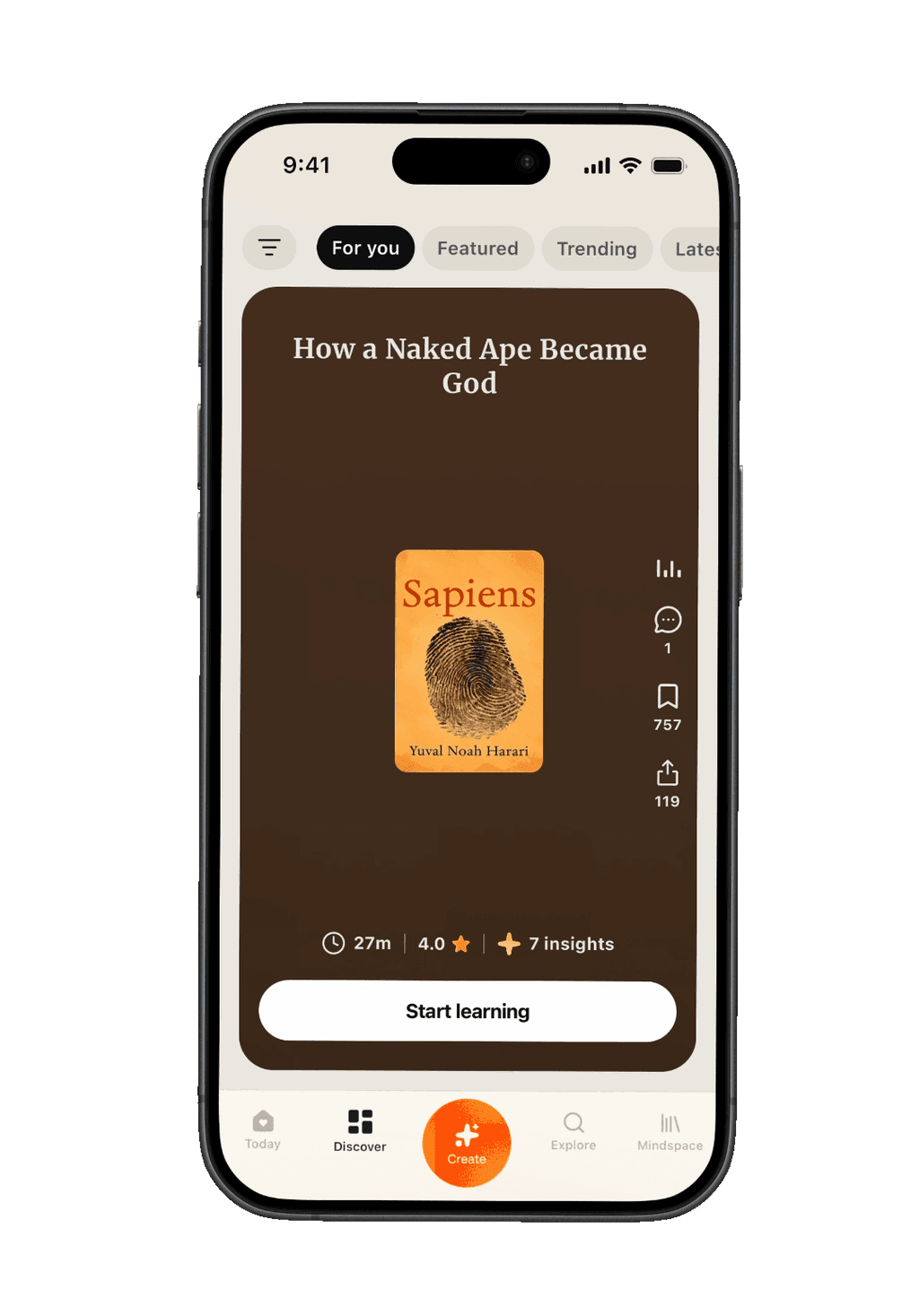
Unravel Scrum's mysteries with Hiren Doshi's guide - a top-100 Scrum book that transforms theory into practice. Tech giants like Google and Amazon rely on these insights. What's the one misconception costing your team thousands in lost productivity?
Hiren Doshi, author of Scrum Insights for Practitioners: The Scrum Guide Companion, is a seasoned Agile practitioner and Scrum.org Professional Scrum Trainer with over 28 years of experience transforming organizations across industries.
His book, focused on Agile project management and Scrum frameworks, serves as a practical companion to the official Scrum Guide, blending theoretical foundations with real-world implementation strategies.
Doshi’s expertise stems from consulting roles with global clients like Bank of America, Shell, and Accenture, as well as his contribution to updating the Scrum Guide 2020. A sought-after speaker, he has presented at events such as Agile Leadership Day India, addressing topics like psychological safety in teams.
His other works include スクラム実践者が知るべき97のこと (97 Things Every Scrum Practitioner Should Know), reinforcing his reputation for simplifying complex Agile concepts.
Scrum Insights for Practitioners holds a 4.22/5 rating on Goodreads, praised for its actionable advice and clarity, solidifying Doshi’s influence in the Scrum community.
Scrum Insights for Practitioners by Hiren Doshi is a practical guide that clarifies the Scrum framework by expanding on the official Scrum Guide. It addresses common misconceptions, explains roles, events, and artifacts, and emphasizes iterative delivery, customer feedback, and adaptability. The book uses real-world examples to illustrate how Scrum principles drive faster time-to-market, improved risk management, and higher customer satisfaction.
This book is ideal for Scrum Masters, Product Owners, developers, and Agile coaches at any experience level. It’s particularly valuable for those preparing for Scrum.org certifications (e.g., PSM I) or teams transitioning to Scrum. Beginners gain foundational clarity, while seasoned practitioners benefit from advanced insights into continuous improvement and self-organization.
Yes—readers praise its concise, actionable advice (86 pages) and ability to bridge gaps left by the Scrum Guide. Reviewers highlight its practical examples, myth-busting sections, and clear explanations. A minor critique is that it doesn’t fully align with the 2020 Scrum Guide updates, but the core principles remain relevant.
Doshi debunks myths like “Scrum is a methodology,” “Sprints are rigid,” and “Scrum only works for software.” He clarifies that Scrum is a framework requiring adaptability, emphasizes collaboration over strict processes, and shows how its principles apply across industries.
While the Scrum Guide outlines Scrum’s structure, Doshi’s book adds context with real-world applications, troubleshooting tips, and nuanced discussions on team dynamics. It’s described as a “companion” that makes the guide’s concepts more accessible, especially for those struggling with implementation.
Key concepts include:
Yes. The book includes scenarios like Sprint Reviews where customers request changes, demonstrating how teams adapt without compromising Scrum values. Other examples cover backlog refinement, daily standups, and balancing flexibility with focus during sprints.
Doshi shares solutions for common hurdles, such as resistance to change, unclear roles, and misaligned priorities. He stresses the importance of leadership buy-in, continuous learning, and aligning Scrum practices with organizational goals to avoid superficial adoption.
Hiren Doshi is a seasoned Scrum.org trainer, course creator, and contributor to Agile publications like 97 Things Every Scrum Practitioner Should Know. His experience includes coaching organizations through tailored Agile transformations, which informs the book’s practical tone.
Unlike the SBOK Guide’s broad focus, Doshi’s book targets practitioners with concise, actionable advice. It avoids theoretical jargon, prioritizing real-world application and addressing specific pain points like stakeholder collaboration and team autonomy.
The primary criticism is that the latest edition doesn’t fully reflect the 2020 Scrum Guide updates (e.g., terminology shifts). However, the core principles and practices remain valid, making it a worthwhile resource if readers cross-reference with the latest guide.
By deepening understanding of Scrum’s “why” and “how,” the book helps professionals excel in certifications, lead teams more effectively, and advocate for Agile best practices. It’s frequently recommended for Scrum.org exam preparation and real-world problem-solving.
Erlebe das Buch durch die Stimme des Autors
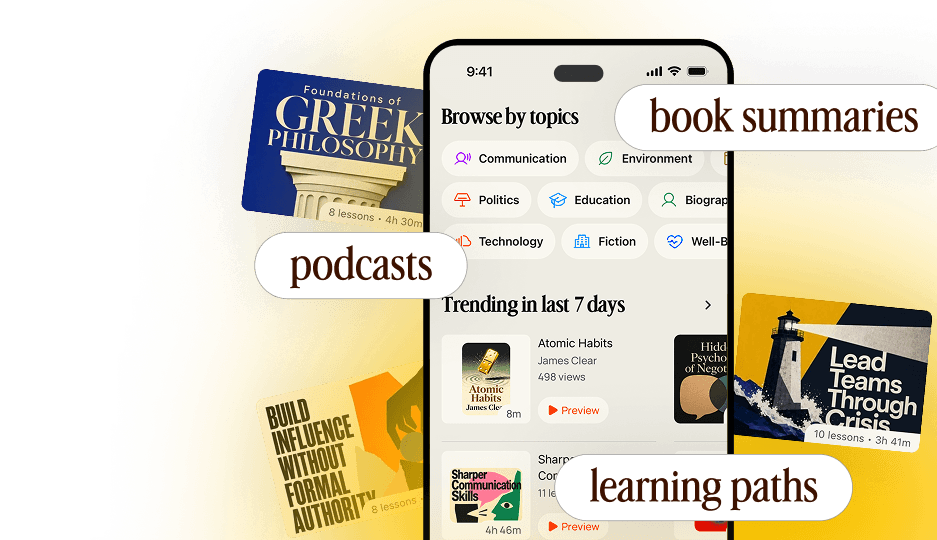
Verwandle Wissen in fesselnde, beispielreiche Erkenntnisse
Erfasse Schlüsselideen blitzschnell für effektives Lernen
Genieße das Buch auf unterhaltsame und ansprechende Weise
Customers rarely know exactly what they want until they see working software.
Transparency means presenting facts as they are.
Focus enables the team to concentrate on Sprint work and goals without distraction.
Respect acknowledges each team member as a capable, independent professional.
These values aren't abstract concepts but practical guideposts for daily decisions.
Zerlegen Sie die Kernideen von Scrum Insights for Practitioners in leicht verständliche Punkte, um zu verstehen, wie innovative Teams kreieren, zusammenarbeiten und wachsen.
Destillieren Sie Scrum Insights for Practitioners in schnelle Gedächtnisstützen, die die Schlüsselprinzipien von Offenheit, Teamarbeit und kreativer Resilienz hervorheben.

Erleben Sie Scrum Insights for Practitioners durch lebhafte Erzählungen, die Innovationslektionen in unvergessliche und anwendbare Momente verwandeln.
Fragen Sie alles, wählen Sie die Stimme und erschaffen Sie gemeinsam Erkenntnisse, die wirklich bei Ihnen ankommen.

Von Columbia University Alumni in San Francisco entwickelt
"Instead of endless scrolling, I just hit play on BeFreed. It saves me so much time."
"I never knew where to start with nonfiction—BeFreed’s book lists turned into podcasts gave me a clear path."
"Perfect balance between learning and entertainment. Finished ‘Thinking, Fast and Slow’ on my commute this week."
"Crazy how much I learned while walking the dog. BeFreed = small habits → big gains."
"Reading used to feel like a chore. Now it’s just part of my lifestyle."
"Feels effortless compared to reading. I’ve finished 6 books this month already."
"BeFreed turned my guilty doomscrolling into something that feels productive and inspiring."
"BeFreed turned my commute into learning time. 20-min podcasts are perfect for finishing books I never had time for."
"BeFreed replaced my podcast queue. Imagine Spotify for books — that’s it. 🙌"
"It is great for me to learn something from the book without reading it."
"The themed book list podcasts help me connect ideas across authors—like a guided audio journey."
"Makes me feel smarter every time before going to work"
Von Columbia University Alumni in San Francisco entwickelt

Erhalten Sie die Scrum Insights for Practitioners-Zusammenfassung als kostenloses PDF oder EPUB. Drucken Sie es aus oder lesen Sie es jederzeit offline.
Imagine a world where complex software projects consistently deliver value, teams thrive rather than burn out, and customers get exactly what they need - not what they initially thought they wanted. This is the promise of Scrum, a framework revolutionizing product development across industries. While deceptively simple on paper, Scrum's true power emerges when teams understand its underlying principles. In today's volatile business landscape, organizations face increasing market uncertainty and technological disruption. Those who master Scrum's empirical approach gain a crucial competitive edge - the ability to deliver exceptional products in uncertain environments by embracing complexity rather than fighting it.