

Überblick über Savages
Don Winslow's "Savages" - a raw, rule-breaking crime thriller where two marijuana dealers battle a Mexican cartel to rescue their kidnapped lover. Adapted by Oliver Stone into a major film, its one-word opening chapter and Tarantino-esque dialogue created a gritty modern classic.
- Savages explores the savage versus less savage duality in modern America
- Ben and Chon's marijuana empire attracts deadly Mexican cartel attention
- Winslow coined PTLOSD for Chon's Post Traumatic Lack of Stress Disorder
- The Baja Cartel kidnaps O to force partnership with Ben
- Violence becomes inevitable when narcissism meets survival in Savages
- Don Winslow critiques America's religion of narcissism through drug warfare
- Friendship loyalty drives Ben and Chon to wage war against cartels
- Orange County lifestyle masks deeper moral emptiness and cultural decay
- Buddhist pacifism clashes with military violence through Ben and Chon's partnership
- Right livelihood fails when catering to addiction despite good intentions
- Savages shows women as primary aggressors defying crime thriller stereotypes
- Oliver Stone adapted the novel into film highlighting contemporary drug culture
Über den Autor von Savages
Don Winslow is the New York Times bestselling author of Savages and a master of contemporary crime fiction known for his hard-hitting narratives about drug cartels, corruption, and moral complexity. Born in 1953 and raised in Rhode Island, Winslow draws on his diverse background as a private investigator, safari leader, and military history scholar to craft authentic, gripping thrillers that blend dark humor with unflinching realism.
Savages, published in 2010, explores the violent collision between California marijuana growers and a Mexican drug cartel, showcasing Winslow's signature style of fast-paced action and morally ambiguous characters. The novel was named a top-10 book of the year by The New York Times, Los Angeles Times, Entertainment Weekly, and author Stephen King, cementing Winslow's reputation as one of crime fiction's most compelling voices. His other acclaimed works include the epic Cartel Trilogy (The Power of the Dog, The Cartel, The Border), The Force, and The Winter of Frankie Machine.
In 2012, Winslow received the prestigious Raymond Chandler Award, Italy's highest lifetime achievement honor for thriller writers. Savages was adapted into a major motion picture directed by Oliver Stone, starring Blake Lively, Aaron Taylor-Johnson, Taylor Kitsch, Benicio del Toro, and Salma Hayek.
FAQ zu Savages
What is Savages by Don Winslow about?
Savages is a crime thriller about two marijuana entrepreneurs, Ben and Chon, who run a lucrative pot operation in Laguna Beach, California. When a Mexican drug cartel demands they join forces or face death, the duo refuses—prompting the cartel to kidnap O (Ophelia), the woman both men love. Ben and Chon must wage a covert war against the cartel using improvised explosives, deception, and strategic violence to rescue O while protecting their empire.
Who is Don Winslow and why is Savages important in his career?
Don Winslow is a New York Times bestselling crime novelist known for works like The Power of the Dog, The Cartel, and The Force. Born October 31, 1953, Winslow draws on his diverse background as a private investigator, safari guide, and military history scholar. Savages (2010) marked a stylistic breakthrough—blending violent action with dark humor and cultural critique—and was adapted into a 2012 Oliver Stone film, significantly expanding Winslow's mainstream recognition.
Is Savages by Don Winslow worth reading?
Savages is worth reading for fans of high-octane crime fiction who appreciate sharp cultural commentary and morally complex characters. The novel combines explosive action with biting satire about American consumer culture and the drug war's absurdities. However, it's not for the faint of heart—the book contains graphic violence and dark themes. Readers who enjoyed Winslow's later works like The Force or appreciate authors like Elmore Leonard and Carl Hiaasen will find Savages compelling and provocative.
Who should read Savages by Don Winslow?
Savages appeals to readers who enjoy fast-paced crime thrillers with unconventional storytelling and social commentary. It's ideal for fans of morally ambiguous characters, the modern drug trade narrative, and stylized prose with dark humor. The book suits readers interested in Southern California culture, the war on drugs critique, and stories about loyalty and friendship tested by extreme violence. It's also perfect for those who appreciate literary thrillers that balance entertainment with deeper cultural observations about American narcissism.
What are the main themes in Savages by Don Winslow?
Savages explores American narcissism and cultural emptiness through its Orange County setting, critiquing a society obsessed with youth, appearance, and instant gratification while ignoring global conflicts. The novel examines the savage versus civilized dichotomy, showing how violence lurks beneath suburban comfort. Other key themes include loyalty and friendship, the futility of the drug war, moral compromise under pressure, and the collision between entrepreneurial capitalism and cartel brutality. Winslow portrays women as primary aggressors, subverting traditional crime fiction gender roles.
How would you describe the writing style of Savages by Don Winslow?
Savages features a distinctive staccato writing style with short, punchy chapters and sentence fragments that create a rapid-fire rhythm. Winslow employs pop culture references, abbreviations (like "PAQU" for Passive Aggressive Queen of the Universe), and linguistic playfulness that mirrors contemporary communication. The prose alternates between sleek, stylized surface descriptions and raw, brutal violence. This hybrid approach—called "pyrotechnic braggadocio"—blends club-mix energy with philosophical meditation, making the narrative both propulsive and intellectually engaging while maintaining dark comedic undertones.
What makes Ben and Chon's relationship unique in Savages?
Ben and Chon represent complementary opposites: Ben is the pacifist entrepreneur with philanthropic ideals and botanical genius, while Chon is the stone-cold Afghanistan/Iraq veteran with "Post Traumatic Lack of Stress Disorder" who handles security. Their partnership succeeds because Ben's business acumen and moral conscience balance Chon's combat expertise and unflinching violence. Both men love O equally and share her romantically without jealousy. The novel subverts expectations by showing Ben's humanitarian facade crumble as baser survival instincts emerge, surprising even the violence-hardened Chon.
What is the role of O (Ophelia) in Savages by Don Winslow?
O serves as the emotional center connecting Ben and Chon in their unconventional ménage à trois while embodying Southern California consumer culture. She's more than a stereotype—beneath her "blue-streaked blond" O.C. princess exterior, O possesses sharp intelligence, recognizing the cartel's Walmart-like business strategy and her own privileged complacency. When kidnapped, she becomes the catalyst forcing both men to confront their limits and moral boundaries. O's character challenges traditional damsel-in-distress tropes, while her narrative voice provides sardonic cultural commentary throughout Savages.
How does Savages by Don Winslow critique the war on drugs?
Savages exposes the war on drugs as a failed policy that creates violent black markets while legitimate businesses remain illegal. Winslow portrays Ben and Chon as entrepreneurs producing a superior product that customers want, making them functionally identical to any successful company—except for the violence required to operate outside legal frameworks. The cartel's corporate takeover mirrors Walmart's business model, suggesting drug trafficking follows capitalist logic. By juxtaposing headlines about Anna Nicole Smith with soldiers dying overseas, Winslow highlights society's misplaced priorities regarding drug prohibition.
What are the criticisms of Savages by Don Winslow?
Some readers find Savages' cultural commentary heavy-handed, with the "drumbeat" of American narcissism criticism occasionally overpowering the narrative. The stylized writing—filled with abbreviations, fragments, and pop culture references—can feel gimmicky or exhausting to readers preferring traditional prose. The graphic violence may alienate some audiences, and the cynical worldview offers little redemption or hope. Additionally, while Winslow subverts clichés effectively, the initial setup (two guys, one girl, pot dealers) relies on familiar crime fiction tropes before demolishing them.
How does Savages compare to Don Winslow's The Power of the Dog?
While both Savages and The Power of the Dog explore Mexican drug cartels and U.S. complicity, they differ significantly in scope and style. The Power of the Dog is an epic, multi-decade narrative tracing the drug war's systemic corruption with sweeping historical depth. Savages is tighter, faster, and more localized—focusing on three young protagonists over a compressed timeframe with stylized, experimental prose. Savages balances violence with dark humor and pop culture satire, whereas The Power of the Dog maintains a graver, more procedural tone examining institutional failures across decades.
Was Savages by Don Winslow adapted into a movie?
Yes, Savages was adapted into a 2012 film directed by Oliver Stone and co-written by Don Winslow himself. The movie stars Taylor Kitsch as Chon, Aaron Taylor-Johnson as Ben, Blake Lively as O, and Benicio del Toro and Salma Hayek as cartel members. While the film captures the novel's violent energy and visual style, it differs in tone and narrative choices. The Hollywood adaptation brought mainstream attention to Winslow's work, though purists often prefer the novel's experimental prose and darker psychological depth over the film's more conventional thriller approach.
Erlebe das Buch durch die Stimme des Autors
Verwandle Wissen in fesselnde, beispielreiche Erkenntnisse
Erfasse Schlüsselideen blitzschnell für effektives Lernen
Genieße das Buch auf unterhaltsame und ansprechende Weise
Personen in Savages
- ChonFormer Navy SEAL and marijuana entrepreneur
- OpheliaRebellious Orange County girl known as 'O'
- Elena Sanchez LauterRuthless leader of the Baja Cartel
- LadoStone-cold enforcer for the Baja Cartel
Kernthemen in Savages
- cannabis trade economics
- cartel power dynamics
- unconventional polyamorous relationships
- corporate drug warfare
- moral corruption
Zitate aus Savages
Chon's default response to the world is "fuck you."
As O puts it, her philosophy is simple: "more love is better than less love."
As O succinctly puts it, "They're Walmart."
His eyes have "turned to stone after seeing-and doing-terrible things."
I'm not a savage.
Entdecke Deine Art zu Lernen
 Kurzfassungs-Modus
Lesen oder hören Sie die Zusammenfassung von Savages in 9 Minuten
Zerlegen Sie die Kernideen von Savages in leicht verständliche Punkte, um zu verstehen, wie innovative Teams kreieren, zusammenarbeiten und wachsen.

 Spaß-Modus
Lektionen aus Savages erzählt in 19-Min Geschichten
Erleben Sie Savages durch lebhafte Erzählungen, die Innovationslektionen in unvergessliche und anwendbare Momente verwandeln.
 Personalisieren-Modus
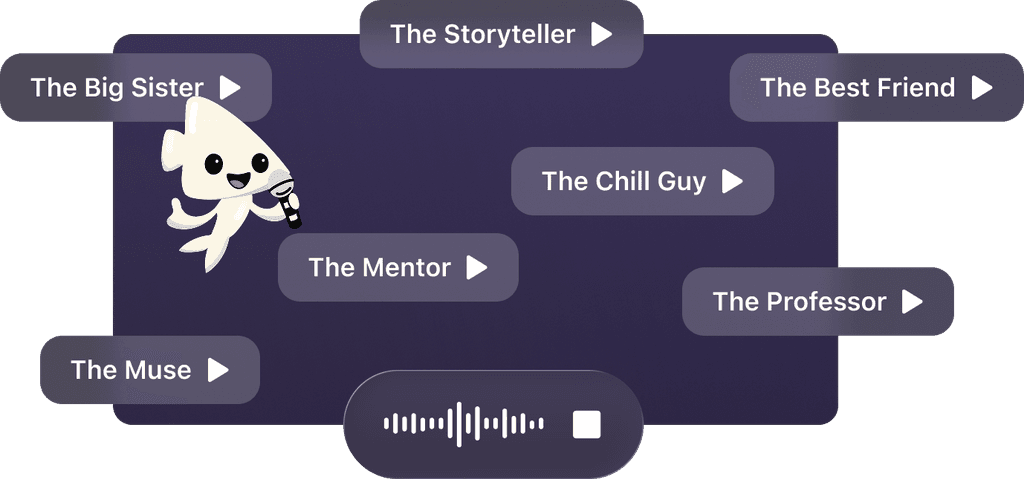
Erleben Sie Savages in Ihrem eigenen Lernstil
Fragen Sie alles, wählen Sie Ihren Lernstil und gestalten Sie Erkenntnisse, die wirklich zu Ihnen passen.
Von Columbia University Alumni in San Francisco entwickelt
"Instead of endless scrolling, I just hit play on BeFreed. It saves me so much time."


"I never knew where to start with nonfiction—BeFreed’s book lists turned into podcasts gave me a clear path."


"Perfect balance between learning and entertainment. Finished ‘Thinking, Fast and Slow’ on my commute this week."
"Crazy how much I learned while walking the dog. BeFreed = small habits → big gains."
"Reading used to feel like a chore. Now it’s just part of my lifestyle."

"Feels effortless compared to reading. I’ve finished 6 books this month already."
"BeFreed turned my guilty doomscrolling into something that feels productive and inspiring."

"BeFreed turned my commute into learning time. 20-min podcasts are perfect for finishing books I never had time for."
"BeFreed replaced my podcast queue. Imagine Spotify for books — that’s it. 🙌"

"It is great for me to learn something from the book without reading it."
"The themed book list podcasts help me connect ideas across authors—like a guided audio journey."
"Makes me feel smarter every time before going to work"
Von Columbia University Alumni in San Francisco entwickelt
"Instead of endless scrolling, I just hit play on BeFreed. It saves me so much time."
"I never knew where to start with nonfiction—BeFreed’s book lists turned into podcasts gave me a clear path."
"Perfect balance between learning and entertainment. Finished ‘Thinking, Fast and Slow’ on my commute this week."
"Crazy how much I learned while walking the dog. BeFreed = small habits → big gains."
"Reading used to feel like a chore. Now it’s just part of my lifestyle."
"Feels effortless compared to reading. I’ve finished 6 books this month already."
"BeFreed turned my guilty doomscrolling into something that feels productive and inspiring."
"BeFreed turned my commute into learning time. 20-min podcasts are perfect for finishing books I never had time for."
"BeFreed replaced my podcast queue. Imagine Spotify for books — that’s it. 🙌"
"It is great for me to learn something from the book without reading it."
"The themed book list podcasts help me connect ideas across authors—like a guided audio journey."
"Makes me feel smarter every time before going to work"
"Instead of endless scrolling, I just hit play on BeFreed. It saves me so much time."
"I never knew where to start with nonfiction—BeFreed’s book lists turned into podcasts gave me a clear path."
"Perfect balance between learning and entertainment. Finished ‘Thinking, Fast and Slow’ on my commute this week."
"Crazy how much I learned while walking the dog. BeFreed = small habits → big gains."
"Reading used to feel like a chore. Now it’s just part of my lifestyle."
"Feels effortless compared to reading. I’ve finished 6 books this month already."
"BeFreed turned my guilty doomscrolling into something that feels productive and inspiring."
"BeFreed turned my commute into learning time. 20-min podcasts are perfect for finishing books I never had time for."
"BeFreed replaced my podcast queue. Imagine Spotify for books — that’s it. 🙌"
"It is great for me to learn something from the book without reading it."
"The themed book list podcasts help me connect ideas across authors—like a guided audio journey."
"Makes me feel smarter every time before going to work"
"Instead of endless scrolling, I just hit play on BeFreed. It saves me so much time."
"I never knew where to start with nonfiction—BeFreed’s book lists turned into podcasts gave me a clear path."
"Perfect balance between learning and entertainment. Finished ‘Thinking, Fast and Slow’ on my commute this week."
"Crazy how much I learned while walking the dog. BeFreed = small habits → big gains."
"Reading used to feel like a chore. Now it’s just part of my lifestyle."
"Feels effortless compared to reading. I’ve finished 6 books this month already."
"BeFreed turned my guilty doomscrolling into something that feels productive and inspiring."
"BeFreed turned my commute into learning time. 20-min podcasts are perfect for finishing books I never had time for."
"BeFreed replaced my podcast queue. Imagine Spotify for books — that’s it. 🙌"
"It is great for me to learn something from the book without reading it."
"The themed book list podcasts help me connect ideas across authors—like a guided audio journey."
"Makes me feel smarter every time before going to work"

Zusammenfassung von Savages herunterladen
Erhalten Sie die Savages-Zusammenfassung als kostenloses PDF oder EPUB. Drucken Sie es aus oder lesen Sie es jederzeit offline.


