Kapitel 1
Facing the Guardians of Your Dreams
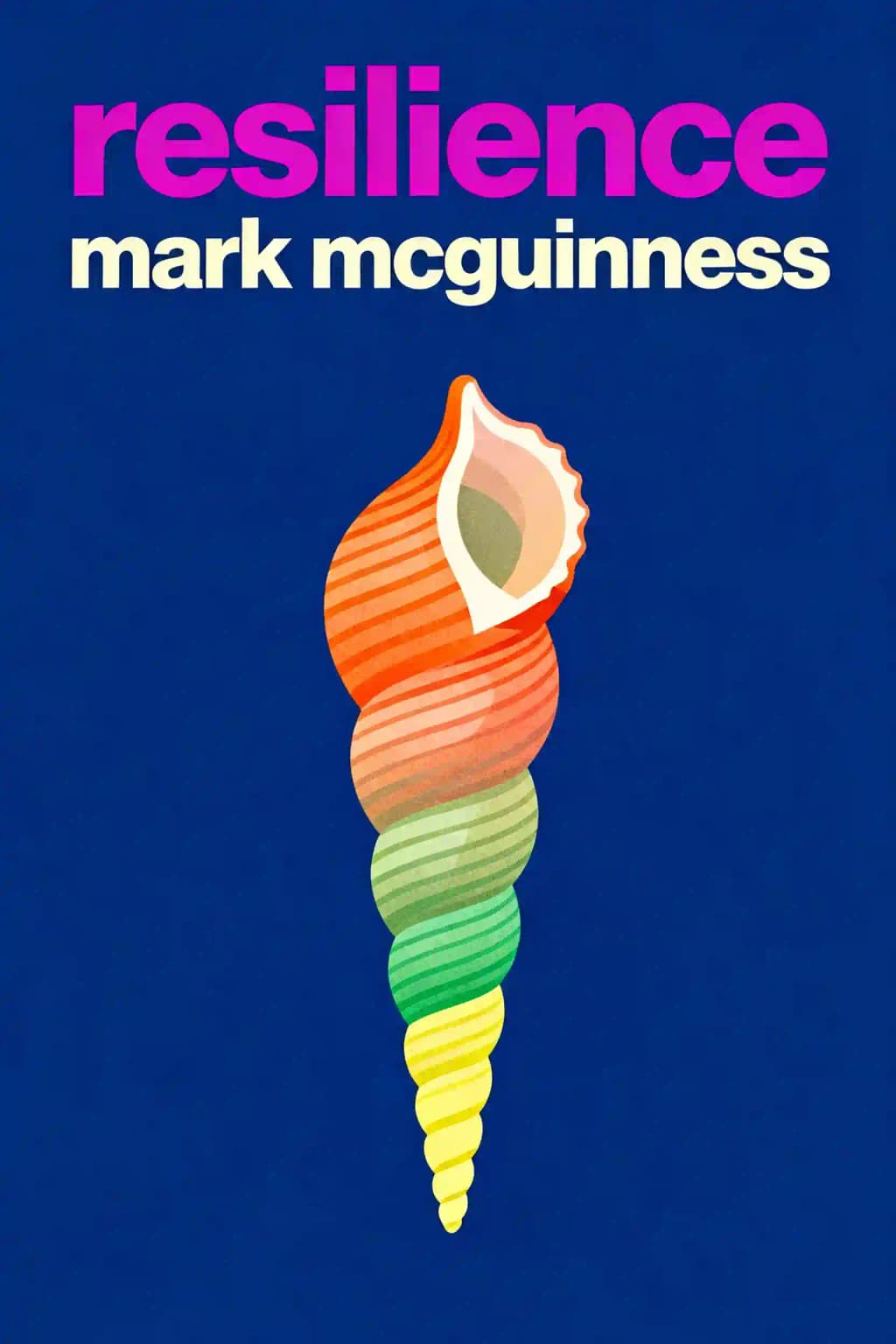
In the quiet corners of Kyoto's ancient Zen temple Kiyomizu-dera stand two imposing guardian statues called Nio. These figures represent Paradox and Confusion, testing all who seek to enter the sacred space beyond. Like these stone sentinels, two powerful guardians stand at the threshold of every meaningful pursuit in life: Rejection and Criticism. Mark McGuinness's "Resilience" has become something of an underground classic among creative professionals, entrepreneurs, and performers worldwide. Since its publication, it has been quietly recommended in artistic communities, startup incubators, and even Hollywood circles, with figures like Elizabeth Gilbert citing its principles in their own work on creative courage. The book's enduring appeal lies in its practical, no-nonsense approach to a universal challenge: how to keep going when the world seems determined to stop you. What makes McGuinness's work particularly compelling is that it doesn't just offer temporary motivation-it provides a comprehensive toolkit for building lasting psychological strength.
Kapitel 2
The Bigger the Dream, The Bigger the Fear
When you dream big, fear inevitably follows. The day McGuinness received his provisional therapy license felt like getting cleared to pilot the Space Shuttle-pure euphoria. But facing his first client was terrifying-dry mouth, pounding heart, and panic about his qualifications. These contrasting experiences illustrate a fundamental principle: the bigger the dream, the bigger the fear.
Initial excitement about pursuing something meaningful inevitably gives way to thoughts of what could go wrong. At this point, the Guardian tests you-you either run away or embrace the fear and step forward. The immature want success without facing fear, but that's impossible.
This explains why some pursue terrifying challenges like Ironman triathlons, wingsuit base jumping, or the monks' 1,000-day running challenge-they understand the flipside of fear is joy. Even ordinary milestones like starting businesses or getting married are both thrilling and frightening.
The key is accepting fear rather than resisting it. When you face a big challenge, expect fear to arise, welcome it as a sign you're pursuing something worthwhile, and remember its message isn't to hide but to be alert and overcome obstacles.
Our evolutionary programming makes rejection and criticism feel like matters of life and death-because historically, they were. Social exclusion activated the same neural networks as physical threats. For our ancestors, being cast out from the tribe was potentially fatal. Public criticism threatens your social status, which research with monkeys shows has direct physiological effects on health and survival. When your status drops, your nervous system literally downgrades itself.
Since these experiences feel so threatening, you should only expose yourself to them for something truly meaningful. When obstacles seem insurmountable and criticism cuts deep, you'll need a compelling reason to continue. Money won't be enough. Neither will fame or family expectations. What you need is something worth dying for-a purpose that makes risking your very identity worthwhile.
Kapitel 3
Building Resilience Through Mindfulness
The most powerful resilience-building practice McGuinness discovered comes from his experience at a silent meditation retreat. The exercise is deceptively simple: sit still and do nothing for twenty minutes daily, paying attention to your bodily sensations, surroundings, breathing, thoughts and feelings. The goal isn't relaxation but simply noticing your experience in the present moment.
Though twenty minutes might sound trivially short for building resilience, it often feels uncomfortably long when you actually practice. Stick with it for a few days and you'll notice your mind becoming clearer, emotions calmer, and thoughts less overwhelming. You'll see thoughts and feelings come and go rather than being consumed by them. Problems seem less insurmountable.
With consistent practice, these benefits extend beyond your meditation time into daily life-less anxiety, more presence, greater enjoyment of good moments, and more effective handling of challenges. This practice, known as mindfulness, forms the foundation of many spiritual traditions but requires no religious beliefs to provide measurable psychological benefits for anxiety, stress, concentration, and even immune function.
Mindfulness builds resilience through a paradoxical effect that's difficult to describe but pleasantly surprising to experience. You become more vividly aware of your thoughts and feelings while simultaneously being less affected by them-as though holding them at arm's length without becoming detached. This transforms your experience of rejection and criticism: they still hurt but not as intensely; they don't feel so overwhelming or final; you don't take them so personally; and you gain perspective, seeing alternative viewpoints rather than accepting critics' words as the final verdict.
To begin practicing mindfulness: Choose a consistent time with minimal distractions-typically morning or evening. Find a suitable place to sit, either cross-legged on a cushion or upright in a chair with feet flat on the floor. Start with just five minutes daily and gradually extend to twenty or thirty minutes as you become comfortable. When practicing, turn off all devices and ensure you won't be disturbed. During your session, pay attention to physical sensations, what you can see, sounds, thoughts, and feelings. Focusing on your natural breath can help anchor your attention.
Kapitel 4
Understanding and Surviving Rejection
Rejection is when someone says 'no' to you or your work-you don't get the part, job, book deal, or whatever opportunity you'd set your heart on. That stomach-kick feeling when you hear "I'm afraid..." or "I'm sorry but..." is completely normal. So is the crushing sense of failure and embarrassment that follows, along with the belief that you're the only one suffering while all the "successful people" celebrate.
After coaching people from all walks of life for sixteen years-rich and poor, famous and unknown, beginners and veterans-McGuinness discovered one commonality: they all believed everyone else looked more confident and successful than they felt. When you chase big opportunities that many others want, rejection is inevitable. Even the best get rejected-probably more often than most because they put themselves out there more frequently.
What separates successful people isn't talent, luck, or privilege, but their willingness to keep going despite rejection. They accept rejection as normal, an occupational hazard, even a badge of honor. Rejection alone is difficult enough; rejection plus believing "it's just me who's useless enough to be rejected" is devastating.
Getting used to rejection isn't about accepting that "life isn't fair"-it's recognizing that since rejection is normal, it's something you'll need to become accustomed to. While rejection should hurt (it shows you care about your work), the sting diminishes over time through desensitization-the same psychological process used in behavioral therapy for phobias. Through repeated exposure to what you fear, you learn to tolerate it better each time. The more opportunities you pursue, the more rejections you'll get, but the less each one will hurt.
In aikido, the first skill taught is falling and rolling-learning to receive an attack before learning to attack. Rolling with a blow serves two purposes: it protects you from the full force and gives you space to prepare for what comes next. The same applies to rejection. Don't resist the emotional impact by pretending you don't care-it's supposed to hurt. Allow yourself to feel whatever emotions arise, whether fear, anger, embarrassment or sadness. Don't rationalize them away.
Talk to someone who cares and will listen without trying to "fix" things. Give yourself a disciplined recovery period-like Martin O'Neill's 48-hour rule for his football players after a defeat-to process the emotions before getting back to work. But beware of wallowing. The difference between feeling rejection's pain and wallowing in it is crucial. When your recovery time is up, it's time to get back on your feet and take the next step forward.
Kapitel 5
Avoiding the Mental Traps That Magnify Rejection
When hit by rejection, automatic thoughts can make you feel much worse than necessary. Seven damaging thought patterns can transform normal disappointment into crushing defeat:
1. Taking it personally: While it's natural to identify with your work, beware of interpreting specific rejections as blanket judgments on your entire career. William Golding's "Lord of the Flies" was rejected by at least ten publishers before being accepted. Instead of saying "I'm a failure," tell yourself: "I didn't make it this time, but I'm still good."
2. Repetition: Constantly replaying the rejection in your mind creates a mental "disaster movie." While reviewing your performance to improve is valuable, once you've done that, you need to archive the mental movie. Visualize taking the DVD out of the player, locking it away, then watching a new movie of yourself succeeding in future.
3. Regret: Torturing yourself with thoughts of how things could have been different only adds to your pain. Remember that hindsight is always 20:20; focus instead on what you can do now. Tell yourself "I did the best I could at the time" and "The most important thing is to learn from it."
4. Prediction: Telling yourself that because you've been rejected before, you'll always be rejected in future is completely illogical but frighteningly persuasive. The antidote is a reality check: you cannot predict the future, but you can influence it by acquiring new skills and knowledge.
5. Comparison: While it's natural to compare yourself to peers, especially when they achieve success, comparison can quickly become a stick to beat yourself with. Focus on your own progress: "I'm going at my own pace" and "I'm competing with myself, no one else."
6. Just deserts: The trap of believing the world should be fair leads to thoughts like "It's so unfair!" or "I deserve better than this!" This mindset keeps you stuck in fairyland rather than reality. Replace resentment with determination: "I can do better than them, and I'm going to prove it."
7. Exaggeration: Rejection can feel catastrophic, but avoid turning disappointment into disaster through exaggeration. While initial venting is fine, continuing to use words like "worst," "absolutely," "total," "never," and "always" only magnifies your pain.
The "black box" represents the unknowable reasons behind rejection. Like scientific black boxes that can only be analyzed by inputs and outputs, you'll never truly know what happens inside gatekeepers' minds. You can spend your life guessing-"I was overqualified," "I didn't have enough experience," "They're idiots!"-but the answer remains locked inside. As soon as you recognize a black box (vague communication, stock answers, standard rejection letters), acknowledge your urge to guess what's inside, then let it go and move forward.
Kapitel 6
Learning from Rejection to Improve Your Chances
After rejection, learning from the experience is crucial. McGuinness identifies common reasons for rejection and how to address them:
1. You didn't meet the minimum criteria: Many rejections happen because applicants ignore basic guidelines about submission formats, word counts, deadlines, or other requirements. Guidelines exist to make the process easier for gatekeepers-create unnecessary problems for them, and you make it harder to be accepted. The solution is simple: follow instructions to the letter!
2. You didn't give them what they were really looking for: Sometimes gatekeepers spell out their criteria in application instructions, but they're often looking for something less obvious than qualifications-specific experience, problem-solving abilities, or measurable results. Research gatekeepers thoroughly by reading their work and connecting with people who know them to understand their tastes, values and priorities.
3. You were chasing the wrong opportunity: Sometimes rejection is a blessing in disguise when you're pursuing opportunities that don't align with your authentic self. After being rejected by a prestigious sports club where he never would have fit in, McGuinness learned to focus on working with people who shared his natural affinity-artists, creatives, and entrepreneurs.
4. You're not good enough (yet): Sometimes we simply aren't skilled enough yet. When McGuinness first fenced competitively as a teen, his opponent's speed and precision taught him a sharp lesson about his abilities. Similarly, joining the Poetry School in London showed him he was in the bottom half of the class-a shock after being near the top elsewhere. When you're not as good as the competition, you can either give up or commit to getting better.
5. You didn't do yourself justice: Sometimes you're so worried about pleasing others that you lose touch with your own instincts and don't express your talent fully. The work may be acceptable but doesn't represent the real you. To fix this, ask yourself if you're happy with your performance and what was missing.
The more options you have, the more relaxed you'll be about any single opportunity-which paradoxically improves your performance in each one. An actor with multiple auditions performs better than one with just a single desperate chance. Not everyone will love your work, even if it's amazing, so you need to knock on many doors. Create a list of gatekeepers, companies, publications and agencies, then systematically approach them. Expect many rejections before your first acceptance.
Kapitel 7
Making Rejection Irrelevant Through Attraction
The opposite of rejection isn't acceptance-it's attraction. The traditional opportunity model (gatekeeper advertises, applicants apply, gatekeeper accepts/rejects) is being reversed. Now you can advertise yourself, have gatekeepers approach you, and both decide if there's a good fit.
McGuinness entered this world through blogging, sharing tips for creative people. Soon creative directors-people who would never have taken his calls before-began contacting him for advice. His inbox transformed: coaching inquiries from around the globe, e-learning sales notifications, consulting requests from three continents, speaking invitations, book deals, and even international business partnerships.
This happened because he built an opportunity magnet-a self-started project that initially feels like a waste of time but grows more valuable, connecting you with people, possibilities and purpose. Your magnet might be a blog, podcast, video series, live event, book, or software project. Whatever format you choose, ensure it has sustainability (you're passionate enough to continue), visibility (gets you on the right people's radar), and significance (makes a positive difference beyond personal gain).
When you build an opportunity magnet, you stop waiting for acceptance and take initiative-though this does expose you to criticism.
Kapitel 8
Understanding and Handling Criticism Effectively
The phrase "Can I give you some constructive criticism?" often triggers anxiety because criticism typically feels more constructive to the giver than the receiver. McGuinness believes criticism can indeed be constructive and essential for excellence, but clarifies different types: feedback, constructive criticism, destructive criticism, and personal abuse.
True feedback should be any process that raises awareness of performance and helps improvement-whether through neutral observation, recordings, directed attention, questions, or measurements-rather than just advice. Feedback is often neglected in favor of advice, but seeing something for yourself is more powerful than being told.
Constructive criticism involves someone expressing a definite opinion in a helpful way, with perspective, specificity, examples, relevance, nuance, and respect. Destructive criticism reveals more about the critic's failings than the performer's, characterized by lack of perspective, vagueness, no examples, irrelevance, exaggeration, and disrespect. Personal abuse involves malicious comments about you personally and should not be confused with criticism.
We tend to fixate on negative feedback despite it representing a tiny fraction of overall responses. This reaction stems from "negativity bias"-an established psychological principle where humans focus more on negative information than positive. This hypersensitivity to threats evolved as a survival mechanism; our ancestors who ignored potential dangers didn't survive long enough to become ancestors. Though modern threats are verbal rather than physical, the threat of social exclusion still feels like a matter of life or death.
Without proper handling, negativity bias can transform criticism into what feels like a complete disaster. The critic's words can seem to confirm your worst fears, making you feel like a failure and bringing your entire career into question.
Kapitel 9
Gaining Perspective on Criticism
When you care about your work, criticism will inevitably hurt, but you don't need to suffer excessively. McGuinness offers four ways to create distance between yourself and criticism:
1. Distance in space: Use Leonardo da Vinci's mirror technique to see your work differently, or change formats.
2. Distance in time: Take breaks between creating and editing, letting work "marinate" before submitting.
3. Seeing through others' eyes: Seek feedback from knowledgeable people, or imagine different perspectives.
4. Mental distance: Use mindfulness to observe criticism without avoiding or exaggerating it, focusing on your body and breathing until you can "see round the edges" of the criticism.
Before deciding how to respond to criticism, consider its source. Just as you'd value a grand slam champion's tennis advice over an armchair player's, the critic's identity and motivation matter. McGuinness identifies several critic types to help you gauge responses: "haters and trolls" who enjoy making nasty comments (ignore them); the "peanut gallery" of irrelevant nit-pickers (be polite but don't take seriously); "the public" (distinguish between general public and your actual audience); "professional critics" (value those who understand your work); "your peers" (consider their perspective but watch for rivalry); and "mentors" (listen carefully to their experienced guidance).
Your harshest critic isn't external but internal. External critics only hurt when they echo what you already tell yourself. Your Inner Critic isn't telling the ultimate truth about you-it's just a small part offering a distorted view, though it cleverly includes grains of truth to seem credible. Through mindfulness practice, you can learn to recognize when the Inner Critic speaks, not to eliminate it but to see through it.
Despite getting "bad press," your Inner Critic serves a vital purpose-it's your quality filter that prevents mediocrity. As musician Mike Monday notes, "A good producer and a great producer have the same number of ideas... but a great producer will know the difference." Rather than trying to silence your Inner Critic, reframe it as an overzealous friend whose feedback needs tempering.
Kapitel 10
Developing Critical Thinking and Understanding Criteria
Developing critical thinking skills is essential self-defense against professional critics and trolls. Like learning to ice skate before joining a hockey match, sharpening your critical faculty helps you recognize excellence and defend your own work. Eight approaches can help: First, define and master your specific field of expertise rather than trying to know everything. Second, read reviews critically, questioning what you agree with, disagree with, or find questionable. Third, study both critics and practitioners in your field, especially those who've mastered the craft. Fourth, debate with friends who challenge your assumptions. Fifth, join or start a group where you can learn from more knowledgeable people. Sixth, contribute to online forums where passionate discussions happen. Seventh, start a blog to clarify your thinking and expose yourself to feedback. Finally, benchmark against the absolute best in your field-not just contemporary stars but historical greats-to avoid complacency and push yourself toward excellence.
Just as school playgrounds have overlapping colored markings for different sports, each requiring players to focus on specific boundaries and rules, creative and professional endeavors demand clarity about which "game" you're playing. When everyone is playing a different game, arguments and disappointments naturally follow. Criteria are like playground markings-they define the field of endeavor and how success is measured. Understanding criteria helps make sense of criticism, especially in fields with competing standards (like traditional versus free verse poetry).
Once you've found your game, understanding criteria gives you a competitive edge by showing what "better" looks like. Success criteria operate at three levels: Process (basic), where there are clear right and wrong ways to do things; Technique (intermediate), where principles rather than rigid rules apply; and Mastery (advanced), where you must figure out what to do next without prescribed answers.
Kapitel 11
Handling Personal Attacks and Moving Beyond Success
When criticism crosses into personal attacks targeting your appearance, background, or other irrelevant characteristics, it hurts-especially in public forums. How you respond depends on the context. At home, where personal criticism from family can be particularly painful because they know your vulnerabilities, options include tolerating minor issues, asserting boundaries against insults, finding allies for support, or ultimately leaving toxic situations. In social circles, friendship is a choice, so you can be bolder about asserting yourself or ending relationships with those who repeatedly attack you personally. Workplace abuse resembles family dynamics-you're often stuck together regardless of personal feelings. With online trolls, traditional responses may backfire since asserting yourself often gives them the attention they crave.
When facing personal abuse, examine your heart (is there anything to be ashamed of?), manage your ego (don't let abuse ruin your mood or prompt regrettable reactions), and protect your reputation if necessary. If you ever feel physically threatened, alert others and contact authorities.
Fear of success is real. Many people sabotage themselves on the verge of major success through "stupid" mistakes and "irrational" behavior. This happens because success, despite its appeal, carries daunting implications. Three common fears associated with success: Fear of not coping with success, fear of selling out, and fear of becoming someone else.
You don't need confidence, charisma, or any other special quality before pursuing success. These qualities develop through action, not before it. Confidence works like physique-while some natural variation exists, everyone can develop it through consistent effort. Waiting for confidence before pursuing success is as absurd as waiting for muscles to grow before lifting weights.
Success comes from focusing on your goal, getting started despite your insecurities, and learning along the way. Your mistakes and small triumphs gradually build the very qualities you thought you needed from the start. Eventually, others may see you as naturally confident or talented, never knowing the truth of your journey.
Kapitel 12
The Journey Beyond Success
Success is rarely the end of the story. Consider Brian Wilson of the Beach Boys, who in 1966 seemed to have it made. After the triumph of "Pet Sounds" and the million-selling "Good Vibrations," his ambitious SMiLE project fell apart amid band tensions and his own nervous breakdown. For years, Wilson battled addiction and mental health problems while SMiLE became a legendary "lost" album. Then, astonishingly, in 2004 he completed and performed SMiLE to critical acclaim, even winning a Grammy.
This pattern repeats across fields: the rock star who finds fame, slides into addiction, then makes a comeback; the entrepreneur who achieves early success, loses everything, then delivers their greatest triumphs; the sports legend whose career is interrupted by injury before returning to cement their legacy.
We often think of success as "happily ever after," but it's usually "happily in the middle"-before another challenge arrives, initiating another cycle of striving, failing, rejection, and criticism. After experiencing this cycle repeatedly, you face a choice: get frustrated by never reaching your "journey's end" or learn to enjoy the journey itself, relishing both challenges and rewards, downs and ups.
True mastery means embracing the journey, not just the destination. At an aikido black belt grading, McGuinness heard a sensei tell candidates: "Your black belt is your first belt." Though we view black belts as ultimate achievements, they're actually markers of basic competence-the point where real learning begins.
When you achieve success-landing that job, getting published, receiving certification-it's tempting to think you've "made it." But as mountaineers know, scaling one peak only reveals another. Without continued challenge, the only direction is down. The wise have mentors who prevent complacency; the rest must find this discipline within.
Yeats wrote of "the fascination of what's difficult"-that drive to tackle increasingly challenging problems. With curiosity, you'll never exhaust this fascination. Though sometimes it feels dispiriting ("You mean I never get to rest on my laurels?"), more often it's thrilling to know you'll never run out of fascinating challenges, regardless of how much you achieve. The rewards and honors are nice, but nothing compares to the challenge itself.
At Kiyomizu-dera temple in Japan, visitors encounter a wooden platform overlooking a steep drop. The Japanese phrase "to leap off Kiyomizu-dera" means taking a leap of faith without guarantees of success-referencing the Edo period when people would jump from the 40-foot platform, believing survival would grant their wishes.
Though nobody jumps today, the Japanese say everyone must metaphorically "leap off Kiyomizu-dera" at some point-facing decisions about love, career, or business that require faith without guarantees. You might crash, land safely, or even fly.
Looking back at his own life, McGuinness has "jumped" at least a dozen times-launching projects, trying new things, figuring them out mid-air. He's experienced rejection, criticism, and failure, but also success and occasional moments of flight. He regrets none of these leaps because each taught valuable lessons. What he does regret are the leaps he was too afraid to take-the missed chances whose outcomes he'll never know.
Soon you'll face your own Kiyomizu-dera moment. If you jump, there are no guarantees. But if you never leap, you're guaranteed regret. Don't let the demons of Rejection and Criticism stop you from pursuing your dream.