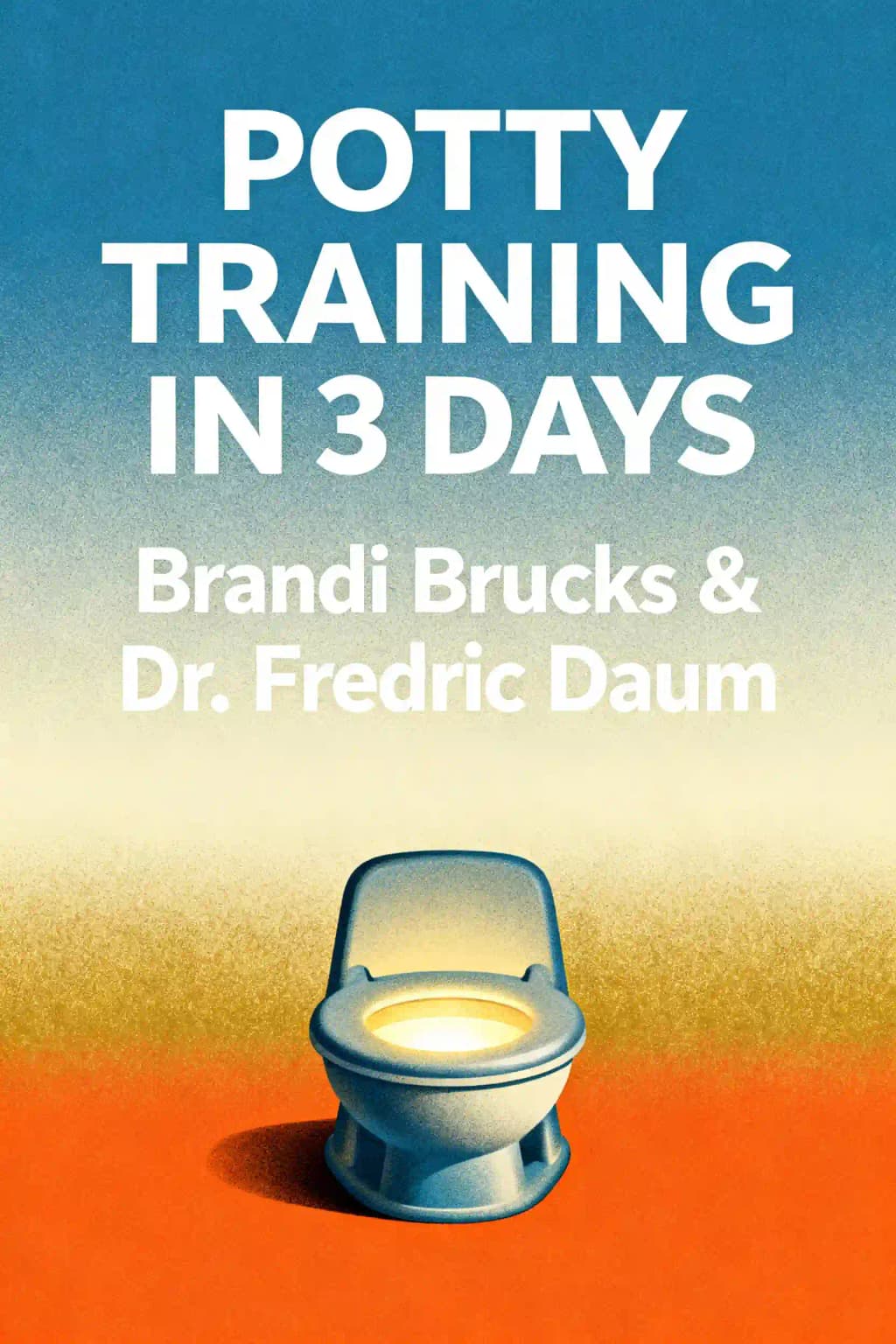
Potty Training in 3 Days
The Step-By-Step Plan for a Clean Break from Dirty Diapers
Überblick über Potty Training in 3 Days
Desperate parents rejoice! "Potty Training in 3 Days" offers a structured solution to the messy milestone that divides parenting communities. With its impressive 4.7/5 rating, this controversial guide promises quick results - but can your toddler really ditch diapers by the weekend?
Kernthemen in Potty Training in 3 Days
- toddler developmental milestones
- intensive weekend training
- parental leadership techniques
- bladder control readiness
- structured routine establishment
Zitate aus Potty Training in 3 Days
Sometimes life's detours lead to unexpected destinations.
Potty training isn't a one-size-fits-all process.
Think of potty training like other developmental skills-we teach them.
Parents should adjust expectations accordingly.
You can do this, and with the right approach, your child can be diaper-free in just three days.
Personen in Potty Training in 3 Days
- Brandi BrucksAuthor and potty training consultant
- Dr. Fredric DaumPediatric Gastroenterologist and program director
Über den Autor
Über den Autor von Potty Training in 3 Days
Brandi Brucks, CPST, and Dr. Fredric Daum co-authored Potty Training in 3 Days: The Step-by-Step Plan for a Clean Break from Dirty Diapers, merging decades of practical childcare expertise with groundbreaking medical insights.
Brucks, a certified Child Passenger Safety Technician and master’s-trained educator, directs Your Village Consulting, where she pioneered her intensive three-day potty training method for children as young as 21 months. Her work as a Pre-K teacher and behavioral specialist informs the book’s actionable strategies for fostering consistency and confidence.
Dr. Daum, a Harvard-educated pediatric gastroenterologist and former Chief of Pediatric GI at NYU Winthrop Hospital, complements this approach with 45 years of medical expertise, having toilet-trained thousands of children worldwide through The Encopresis Center, including those with autism and sensory challenges.
Their collaboration bridges behavioral science and digestive health, offering evidence-based solutions for daytime, nighttime, and special-needs scenarios. Brucks’ follow-up guides on child development and Dr. Daum’s telehealth programs have been featured in parenting resources nationwide, with their joint work praised for transforming stressful transitions into achievable milestones. The book’s methodology has become a benchmark in early childhood education circles.
Zusammenfassung von Potty Training in 3 Days herunterladen
Erhalten Sie die Potty Training in 3 Days-Zusammenfassung als kostenloses PDF oder EPUB. Drucken Sie es aus oder lesen Sie es jederzeit offline.
FAQ zu diesem Buch
Potty Training in 3 Days provides a structured, three-day plan to transition toddlers aged 1–3 from diapers to independent toilet use. Authored by childcare expert Brandi Brucks, the guide emphasizes preparation, consistent routines, and positive reinforcement, with actionable steps for pre-training setup, accident management, and post-training reinforcement.
This book is ideal for parents and caregivers of toddlers (21 months–4 years) seeking a clear, time-bound method. It’s particularly useful for those preferring a hands-on approach with minimal theory, and families needing strategies adaptable to children with varying abilities or behavioral needs.
Yes, for parents committed to a focused, intensive approach. Reviews highlight success in as little as three hours, though some note challenges with the method’s rigor or its reliance on direct communication over child-led pacing.
The method involves:
- Preparation: Removing diapers, creating a potty station, and discussing the process with the child.
- Intensive Training: Three days of closely monitoring cues, frequent potty trips, and celebrating successes.
- Maintenance: Gradually increasing independence while addressing setbacks calmly.
Some reviewers dislike the direct tone and use of verbal redirection, which they perceive as harsh. Others found the three-day commitment challenging for working parents or children needing more time to adapt.
Unlike Oh Crap!, Brucks’ method avoids bribery and focuses on a fixed timeline, with clearer pre-training steps. Both emphasize consistency, but Brucks provides more structured post-training troubleshooting.
Brucks recommends dedicating a long weekend to the three-day process and involving caregivers to maintain consistency. For busy households, she suggests gradual prep (e.g., introducing underwear earlier) to ease the transition.
It frames accidents as learning opportunities, advising parents to stay calm, avoid punishment, and use phrases like, “Oops! Pee goes in the potty.” Consistency and repetition are key to reinforcing habits.
Brucks encourages praise for efforts (e.g., “Great job listening to your body!”) instead of stickers or treats. Celebrations focus on the child’s autonomy, building intrinsic motivation.
Brucks specializes in training toddlers 21 months and older. For younger children, she collaborates with Ruth Bailey, who uses gentler, play-based techniques.
The book separates daytime and nighttime training, advising parents to tackle daytime first. For nighttime, Brucks recommends limiting fluids before bed and using waterproof mattress covers until the child consistently wakes dry.
Its time-efficient approach resonates with modern parents seeking quick, evidence-based solutions. Updated editions address diverse family dynamics, including single-parent households and children with sensory sensitivities.