Zusammenfassung von Die Intelligenz der Zukunft
Überblick über die Zusammenfassung von Die Intelligenz der Zukunft
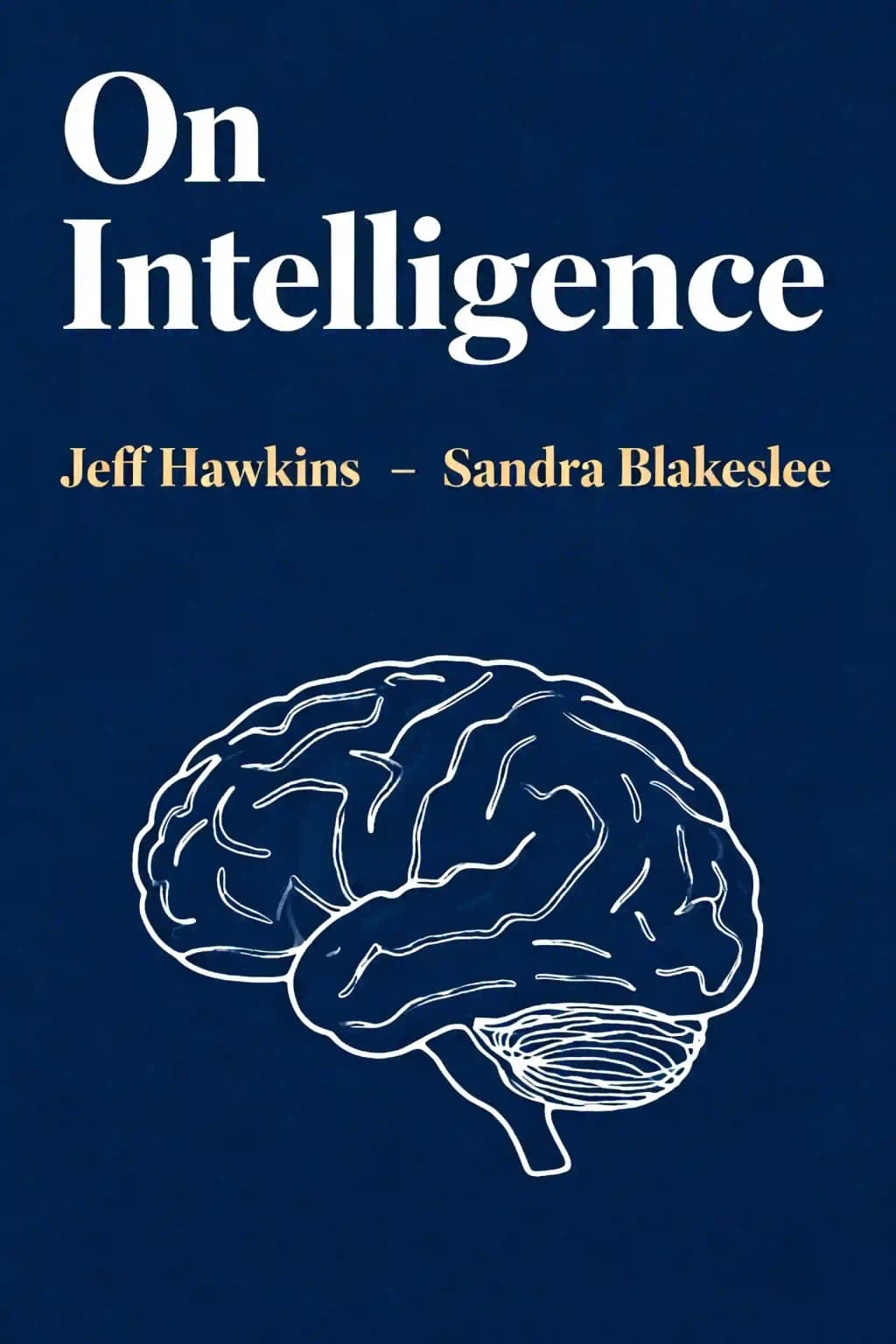
Der Erfinder des PalmPilot, Jeff Hawkins, revolutioniert unser Verständnis von Intelligenz und argumentiert, dass das Gehirn ein Gedächtnis-Vorhersage-System ist und kein Computer. Elon Musk bezeichnete es einst als „Pflichtlektüre“ für jeden, der neugierig auf die Zukunft der KI ist. Was wäre, wenn das Bewusstsein selbst nur eine hochentwickelte Mustererkennung ist?
Kernthemen der Zusammenfassung von Die Intelligenz der Zukunft
- memory-prediction framework
- neocortex architecture
- biological intelligence
- hierarchical temporal memory
- brain-inspired computing
Die besten Zitate aus der Zusammenfassung von Die Intelligenz der Zukunft
The field had fundamentally misunderstood intelligence by focusing on behavior rather than understanding.
The brain is just another kind of computer, with intelligence viewed as symbol manipulation.
The true essence of intelligence is predictive capability.
The neocortex demonstrates remarkable plasticity.
Figuren in der Zusammenfassung von Die Intelligenz der Zukunft
- Jeff HawkinsAuthor and researcher who developed the theory
- Sandra BlakesleeScience writer and co-author of the book
- Francis CrickScientist whose article inspired Hawkins' research
- Garry KasparovChess champion used as a case study for AI limits
Zusammenfassung von Die Intelligenz der Zukunft herunterladen
Erhalten Sie die Die Intelligenz der Zukunft-Zusammenfassung als kostenloses PDF oder EPUB. Drucken Sie es aus oder lesen Sie es jederzeit offline.







![[d618fb29-0607-4fd9-96c7-8aea35557855:c0000] All right. Should we go Should we get started, Jeff? >> S… p1-1](/_next/image?url=https%3A%2F%2Fd1y2du6z1jfm9e.cloudfront.net%2Fassets%2Fpodcast%2Fgreen.png&w=1024&q=50)
![[d618fb29-0607-4fd9-96c7-8aea35557855:c0001] All right. Should we go Should we get started, Jeff? >> S… p1-1](/_next/image?url=https%3A%2F%2Fd1y2du6z1jfm9e.cloudfront.net%2Fassets%2Fpodcast%2Fblue.png&w=1024&q=50)
![[d618fb29-0607-4fd9-96c7-8aea35557855:c0002] All right. Should we go Should we get started, Jeff? >> S… p1-1](/_next/image?url=https%3A%2F%2Fd1y2du6z1jfm9e.cloudfront.net%2Fassets%2Fpodcast%2Fyellow.png&w=1024&q=50)