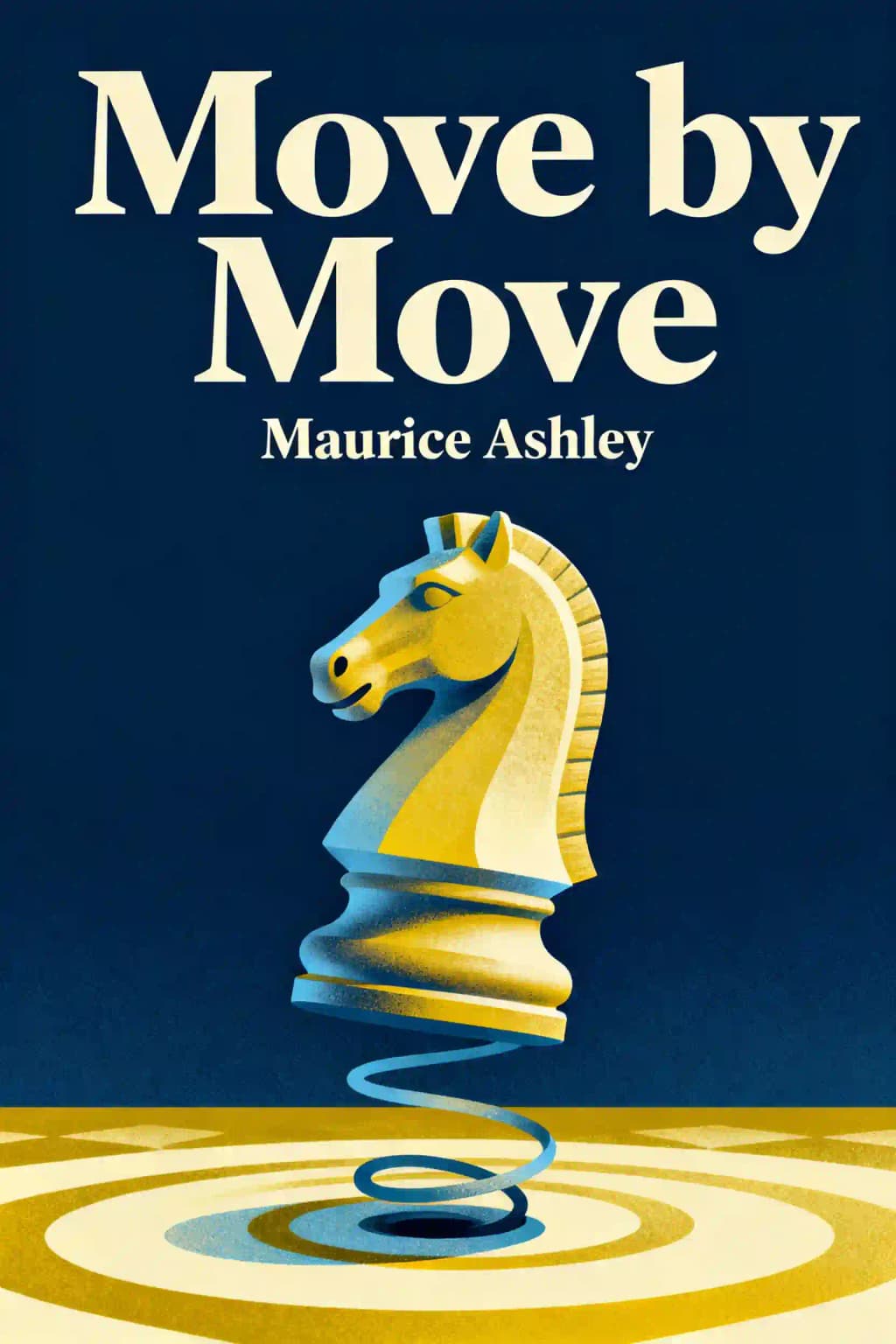
Move by Move
Life Lessons on and off the Chessboard
Überblick über Move by Move
In "Move by Move," the first Black chess Grandmaster reveals how the 64 squares mirror life's strategic battles. Embraced by fans of "The Queen's Gambit," Ashley's wisdom transcends the board. What daily chess practice taught him about resilience could transform your decision-making forever.
Kernthemen in Move by Move
- strategic foresight
- beginner's mindset
- adversity management
- mental discipline
- tactical decision making
Zitate aus Move by Move
Losses are inevitable.
Each failure is a chance to refine your strategy.
A single moment of distraction can cost you the game.
Adaptability is more crucial than ever.
Mastery is not a destination but a continuous process.
Personen in Move by Move
- Maurice AshleyAuthor and first African American Grandmaster
- Mikhail TalLegendary chess player known for curiosity
Zusammenfassung von Move by Move herunterladen
Erhalten Sie die Move by Move-Zusammenfassung als kostenloses PDF oder EPUB. Drucken Sie es aus oder lesen Sie es jederzeit offline.
FAQ zu diesem Buch
Move by Move blends chess strategy with life lessons, offering practical wisdom on resilience, strategic thinking, and embracing failure. Drawing from his journey as the first African American Chess Grandmaster, Maurice Ashley uses personal anecdotes and chess principles to teach readers how to navigate personal and professional challenges. Key themes include self-awareness, adaptability, and learning from setbacks.
This book is ideal for chess enthusiasts, graduates, and anyone seeking actionable advice for personal growth. It appeals to readers interested in strategy, self-improvement, or overcoming adversity, even if they aren’t chess players. Coaches, educators, and professionals in high-stakes fields will also find its lessons on decision-making valuable.
Key lessons include:
- Embrace failure as a stepping stone to growth.
- Think strategically by anticipating consequences and adapting plans.
- Cultivate resilience through disciplined practice and self-reflection.
Ashley argues these chess principles apply to career challenges, relationships, and personal goals.
Ashley frames chess as a metaphor for life, illustrating how tactics like controlling the center (prioritizing key goals) and sacrificing pieces (letting go of short-term gains) mirror real-world decision-making. He shares examples from his Brooklyn upbringing and Grandmaster career to show how chess-inspired strategies resolve conflicts and fuel success.
Notable quotes include:
- “Chess is life in miniature”—emphasizing how small decisions shape outcomes.
- “The clock is always ticking, but panic guarantees defeat”—advocating calm under pressure.
These lines reinforce the book’s themes of intentionality and composure.
Yes. While chess terminology appears, Ashley explains concepts accessibly, focusing on universal takeaways like risk assessment and emotional control. The book avoids technical jargon, making it approachable for readers with casual or no chess experience.
Unlike generic advice books, Move by Move grounds its lessons in chess’s structured logic, offering a unique blend of storytelling and tactical frameworks. It’s more action-oriented than philosophical works like The Alchemist but less prescriptive than habit-focused guides like Atomic Habits.
Some readers may find the chess analogies overemphasized, particularly in early chapters. However, Ashley balances this with relatable personal stories, ensuring broader relevance. The concise format (short chapters) appeals to busy readers but leaves deeper psychological themes lightly explored.
The book teaches prioritizing long-term goals (“controlling the center”), managing setbacks without losing focus, and analyzing competitors’ motives—skills applicable to negotiations, leadership, and career transitions. Ashley’s “blunder recovery” framework helps reframe mistakes as learning opportunities.
As the first African American Chess Grandmaster, Ashley combines elite strategic expertise with decades of coaching and motivational speaking. His experience training national champions and commentating for ESPN/NBC adds credibility to the book’s lessons on pressure and innovation.
Yes. Ashley provides reflection questions like “What’s your endgame?” to clarify life goals and drills for improving decision speed. The “Three-Move Analysis” framework—assessing past, present, and future consequences—helps readers apply chess logic to daily choices.
In an era of rapid technological change, Ashley’s emphasis on adaptability, foresight, and emotional resilience resonates strongly. The book’s lessons on AI-era skills—like balancing intuition with data—align with modern challenges in workplaces and education.