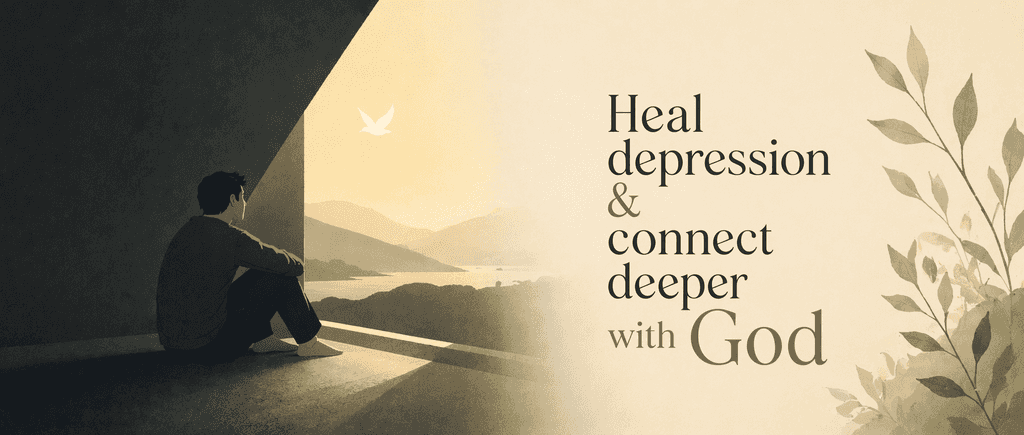
In "Lost Connections," Johann Hari challenges the chemical imbalance theory of depression after a 40,000-mile journey interviewing 200+ experts. What if reconnection - not medication - is the answer? His viral TED talk sparked a revolution in mental health thinking.
Erlebe das Buch durch die Stimme des Autors
Verwandle Wissen in fesselnde, beispielreiche Erkenntnisse
Erfasse Schlüsselideen blitzschnell für effektives Lernen
Genieße das Buch auf unterhaltsame und ansprechende Weise
What do you do when the medicine that's supposed to save you stops working? For years, antidepressants seemed like the answer-a simple chemical fix for a chemical problem. Pop a pill, balance your brain, feel better. But here's the uncomfortable truth: depression rates keep climbing even as antidepressant prescriptions reach record highs. Something doesn't add up. This paradox launched an investigation that would challenge everything we thought we knew about depression. What if the story we've been told-that depression is simply a malfunction in our brains-is incomplete? What if our pain isn't just in our heads but in our lives, our relationships, our disconnection from what makes us fundamentally human? In 18th century England, a doctor named John Haygarth conducted a sneaky experiment. Patients were flocking to a miraculous metal device called a "tractor" that supposedly cured chronic pain. Haygarth created fake tractors from wood and watched, astonished, as they worked just as well as the real ones. He'd stumbled upon something profound: belief itself can heal. Fast forward to the 1990s. Researcher Irving Kirsch, initially a believer in antidepressants, began analyzing clinical trials with growing unease. What he discovered should have made headlines everywhere: only about 25% of antidepressants' perceived effectiveness came from their chemical properties. The rest? Placebo effect and natural recovery. Even more troubling, pharmaceutical companies had buried studies showing their drugs didn't work, publishing only the favorable results. When Kirsch examined the complete data submitted to the FDA-including all those hidden studies-the picture changed dramatically. The drugs appeared far less effective than anyone believed. Even prominent defenders of antidepressants admitted they might only help for six to twenty weeks, with almost no evidence supporting long-term use. Think about what this means. Millions of people take these medications daily, believing they're correcting a chemical imbalance. But the chemical imbalance theory itself-the idea that depression stems from low serotonin-has remarkably thin scientific support. Researchers have directly measured serotonin levels in depressed patients and found no consistent differences from non-depressed people. Some studies even show that depleting serotonin in healthy people doesn't reliably cause depression. This doesn't mean antidepressants never help-clearly, many people find relief. But perhaps they're working through belief and hope rather than correcting an imbalance that may not exist. More importantly, by focusing exclusively on brain chemistry, we've missed something crucial about why so many of us are suffering. The answers that emerged didn't come from laboratories alone but from communities fighting eviction, workers reclaiming their labor, and people rediscovering ancient practices of connection. These stories reveal a revolutionary insight: perhaps we've been looking for healing in all the wrong places.
Zerlegen Sie die Kernideen von Lost Connections in leicht verständliche Punkte, um zu verstehen, wie innovative Teams kreieren, zusammenarbeiten und wachsen.
Destillieren Sie Lost Connections in schnelle Gedächtnisstützen, die die Schlüsselprinzipien von Offenheit, Teamarbeit und kreativer Resilienz hervorheben.

Erleben Sie Lost Connections durch lebhafte Erzählungen, die Innovationslektionen in unvergessliche und anwendbare Momente verwandeln.
Fragen Sie alles, wählen Sie die Stimme und erschaffen Sie gemeinsam Erkenntnisse, die wirklich bei Ihnen ankommen.

Von Columbia University Alumni in San Francisco entwickelt
"Instead of endless scrolling, I just hit play on BeFreed. It saves me so much time."
"I never knew where to start with nonfiction—BeFreed’s book lists turned into podcasts gave me a clear path."
"Perfect balance between learning and entertainment. Finished ‘Thinking, Fast and Slow’ on my commute this week."
"Crazy how much I learned while walking the dog. BeFreed = small habits → big gains."
"Reading used to feel like a chore. Now it’s just part of my lifestyle."
"Feels effortless compared to reading. I’ve finished 6 books this month already."
"BeFreed turned my guilty doomscrolling into something that feels productive and inspiring."
"BeFreed turned my commute into learning time. 20-min podcasts are perfect for finishing books I never had time for."
"BeFreed replaced my podcast queue. Imagine Spotify for books — that’s it. 🙌"
"It is great for me to learn something from the book without reading it."
"The themed book list podcasts help me connect ideas across authors—like a guided audio journey."
"Makes me feel smarter every time before going to work"
Von Columbia University Alumni in San Francisco entwickelt

Erhalten Sie die Lost Connections-Zusammenfassung als kostenloses PDF oder EPUB. Drucken Sie es aus oder lesen Sie es jederzeit offline.