Kapitel 1
The Silent Energy Crisis: How Modern Life Drains Your Power
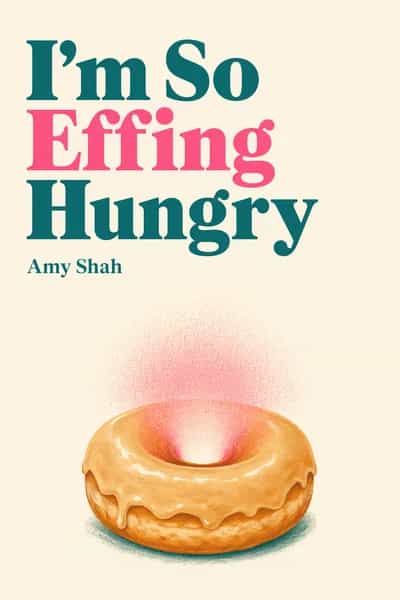
In the midst of my busy life as a double-board-certified doctor, mother, and medical practice owner, I found myself in a car accident-not because of another driver's error, but because I was too exhausted to notice what was happening around me. This crash became the perfect metaphor for my life: completely out of control. Despite my extensive medical training at Cornell, Albert Einstein, Harvard, and Columbia, I couldn't explain why I was constantly exhausted, gaining weight inexplicably, and perpetually irritable. When I sought answers, even my brightest colleagues dismissed my symptoms as "normal" for a busy mom or, worse, blamed it on "aging"-at just 32 years old! What I discovered through my subsequent research was shocking: women's medical concerns are systematically dismissed, with studies showing we're almost twice as likely as men to experience debilitating fatigue. My personal journey led me to develop what I call the WTF (Why The Fatigue) plan, which has since helped thousands of women reclaim their energy by addressing the interconnected triad of hormones, inflammation, and gut health-the true energy trifecta that modern medicine often overlooks.
Kapitel 2
The Hormonal Highway: Understanding Your Body's Messenger System
Imagine your body as an intricate highway system where hormones serve as the essential chemical messengers, regulating everything from metabolism and appetite to heart rate and mood. When this complex network functions properly, we feel energetic and balanced. But even minor disruptions can trigger a cascade of problems throughout the entire system.
The control center of this hormonal highway is located at the base of your brain, where the hypothalamus and pituitary glands-collectively known as the master glands-orchestrate the entire operation. The hypothalamus initiates hormone signals while the pituitary releases six key hormones from its anterior lobe, including human growth hormone (HGH), which repairs skin, gut, and muscles during sleep. Unlike other hormonal imbalances that can be addressed through lifestyle changes, dysfunction in these master glands typically requires medical intervention.
Your butterfly-shaped thyroid gland plays a crucial role in regulating metabolism, energy, heart function, digestion, brain development, mood, and bone health by producing T3 and T4 hormones. When functioning properly, these hormones keep your metabolism running smoothly. However, imbalances cause significant energy problems-hypothyroidism leads to fatigue and cold sensitivity, while hyperthyroidism creates an overstimulated state with irritability and heart palpitations. Thyroid conditions affect one in eight women, with many going undiagnosed despite symptoms like fatigue, weight changes, and temperature sensitivity.
The pancreas converts food into cellular fuel by producing insulin, which helps cells utilize blood sugar for energy. When we eat carbohydrates, they break down into glucose, triggering insulin release. Insulin resistance develops when consistently high sugar intake causes the pancreas to overproduce insulin, eventually making cells "resistant" to insulin's signals-like a child tuning out a constantly yelling parent. This resistance contributes not only to diabetes but also to heart disease, Alzheimer's, depression, and polycystic ovary syndrome.
Your adrenal glands produce cortisol and adrenaline-our "fight-or-flight" hormones that historically helped us survive physical threats but now activate in response to everyday stressors like emails and deadlines. The problem occurs when constant modern stressors never allow these hormones to return to baseline, overloading the adrenal system. Cortisol, the queen bee of hormonal balance, affects everything from blood sugar and inflammation to immune function. When persistently elevated due to chronic stress, it creates a "traffic jam" that diverts limited energy resources toward cortisol production at the expense of other essential hormones-a phenomenon called "pregnenolone steal."
Sex hormones-primarily estrogen and progesterone-regulate reproductive function, sexual performance, libido, and gender identification throughout our lives. What's most important isn't a specific estrogen level but the balance between estrogen and progesterone. Up to 80% of women over 35 may experience estrogen dominance, causing weight gain, fatigue, and low libido. Environmental factors are major culprits, as "xenoestrogens" from birth control, beauty products, plastics, and certain foods mimic estrogen's molecular structure and disrupt our hormonal balance.
The gut's role in hormone health has been historically underestimated. Recent studies reveal millions of microbiota bacteria in our gut microbiome that constantly communicate with our immune system and signal our hormones. The gut influences thyroid hormones, estrogen, and cortisol, while also stabilizing metabolism, slowing aging, and improving mood. The "estrobolome," a group of microbes producing beta-glucuronidase enzyme, plays a significant role in metabolizing estrogen. When the gut microbiome is healthy, the estrobolome maintains estrogen homeostasis, but dysbiosis causes hormonal imbalances.
Kapitel 3
Modern Life: The Perfect Storm for Hormonal Chaos
Our hormones don't simply become imbalanced without reason-they go rogue due to lifestyle habits and environmental factors that have become increasingly common in modern life. Despite technological advances making life easier, people's energy levels have dramatically declined over the past century, with hormonal imbalances reaching epidemic proportions.
Chronic stress keeps the body's fight-or-flight response constantly activated, eventually burning out hormone receptors and increasing risk for conditions like anxiety, depression, digestive problems, heart disease, and weight gain. This persistent state wreaks havoc throughout the body, like a burnt-out lightbulb that can no longer provide energy bursts when needed.
The saying "you are what you eat" is particularly true for hormones. Hormone glands need cholesterol from food to produce cortisol, estrogen, and testosterone. When properly balanced, carbs and fats primarily fuel the body while protein builds and repairs tissues. Our modern diet disrupts hormones through lower food diversity, processed foods filled with additives, GMOs, and sugar that spike glucose and insulin levels. Even conventional "whole foods" contain growth hormones and chemicals like glyphosate that disrupt our delicate hormonal balance.
Our bodies function like precise clockwork, following a 24-hour circadian rhythm present in every cell. Modern habits-staying up late, eating at odd hours, constant stress-disrupt this natural cycle. Research by Dr. Satchin Panda shows melatonin begins production 2-3 hours after our last meal and signals the pancreas to stop insulin production. Late meals force the body to digest when it should be repairing, causing insulin dysfunction and metabolic issues. Rather than the typical 12pm-8pm eating window, aligning with our circadian rhythm (like 9am-6pm) better supports hormonal balance and cellular repair.
Our modern environment bombards us with hormone-disrupting chemicals. Even seemingly healthy habits can expose us to harmful substances-like drinking from plastic water bottles containing BPA and other estrogen-mimicking compounds. These "xenoestrogens" are everywhere: plastic wrap, food containers, beauty products, and medications. Even BPA-free products often release chemicals similar to estrogen. These impostor hormones create traffic jams in our endocrine system, leading to issues like estrogen dominance.
Kapitel 4
Beyond Adrenal Fatigue: Understanding Sympathetic Overload
After my accident left me exhausted, I discovered countless references to "adrenal fatigue" online-a condition never mentioned during my medical training. While my colleagues dismissed it, my symptoms persisted. The truth? "Adrenal fatigue" doesn't technically exist, but the symptoms do. The real issue isn't that adrenals become depleted-they actually produce more cortisol when stressed. The problem is cortisol imbalance and a sympathetic nervous system stuck in overdrive.
Alternative health proponents claim "adrenal exhaustion" depletes cortisol, causing brain fog and fatigue. But science shows the opposite-stress actually increases cortisol production. What's really happening is a cortisol imbalance where the emergency response system remains perpetually activated. This creates a cascade of hormonal problems as the body stays in fight-or-flight mode, unable to enter the crucial "rest and digest" parasympathetic state.
Our sympathetic overload epidemic stems from constant bombardment by stressors-work demands, family responsibilities, the 24/7 news cycle, and social media. We've forgotten how to relax and take time for ourselves. During a visit to India, I observed people regularly meeting on stoops for tea and conversation, taking time after dinner to walk and connect. Unlike Americans rushing through meals in cars or working late, these communities prioritize downtime and connection. Studies show Europeans enjoy over 30 vacation days annually while Americans average just 10-explaining why stress-related fatigue and hormonal problems have reached epidemic proportions in the US.
The solution involves activating the parasympathetic "rest and digest" system to counterbalance sympathetic overdrive. Vagal nerve stimulation through deep breathing (six counts in, six counts out) effectively triggers this parasympathetic response, explaining why yoga and meditation help manage cortisol levels. This parasympathetic activation not only relaxes the body but enables proper digestion and cellular repair-functions impossible during constant fight-or-flight mode when blood flow prioritizes muscles over digestion and healing.
Kapitel 5
The Inflammatory Fire: How Your Immune System Drains Your Energy
When my ankle swelled after a fall in Manhattan, I recognized it as my immune system's natural healing response-the body's "internal fire" that ancient Greeks described. This acute inflammation is beneficial, bringing blood flow and white blood cells to fight infection and repair tissue. But inflammation becomes problematic when it doesn't recede. When our immune system remains in high gear due to poor sleep, stress, or diet, it transforms from protector to destroyer, attacking our own cells and draining our energy resources.
Inflammation operates on a delicate balance-we need just enough for healing but not so much that it becomes chronic. Acute inflammation properly responds to injuries before subsiding, but when pro-inflammatory triggers accumulate, our emergency response system never turns off. This confused immune system begins attacking our own cells, weakening our defenses and making us susceptible to infections and disease. This silent assault drains energy as our resources go toward fighting perceived threats rather than fueling normal functions.
Silent inflammation manifests through persistent joint pain, constant fatigue, skin problems, weight retention, bloating, brain fog, PMS, mood disorders, insomnia, food sensitivities, allergies, and high blood pressure. Its primary causes include stress, sleep deprivation, diets high in sugar and processed foods, trans fats, omega-6 fatty acids, food sensitivities, alcohol, overexercising, environmental toxins, and chronic illnesses.
Research reveals inflammation's far-reaching impact: inflammation in one body part (like the liver) can inflame brain tissue and blood vessels, creating fatigue, anxiety, and depression. This challenges previous beliefs that the brain was immune to inflammation elsewhere. When inflammation strikes, the body enters triage mode, focusing energy on inflamed areas while depleting resources elsewhere.
Inflammation and weight gain create a vicious cycle. As fat cells expand, they transform into "inflammation factories" that activate the immune system. This feedback loop means inflammation causes weight gain, which causes more inflammation. Studies show a linear relationship between weight increases and inflammatory markers like C-reactive protein (CRP). Conversely, weight loss through calorie restriction decreases inflammation, potentially lowering chronic disease risk.
Intestinal inflammation creates a "leaky gut" where intestines become more porous, allowing food particles to seep into the bloodstream. When these "intruders" pass through the gut epithelia into the lamina propria, the immune system attacks them, triggering inflammation. Food allergies, infections, toxins, stress, and age can all break apart these tight junctions. Signs of leaky gut include gas, bloating, IBS, hormonal imbalances, autoimmune diseases, chronic fatigue, mental health issues, skin problems, asthma, and food sensitivities.
Kapitel 6
Healing the Gut: The Foundation of Energy Restoration
Our gut health fundamentally impacts our energy and overall wellness. As Hippocrates noted over two thousand years ago, "All disease begins in the gut"-and I'd add that all energy begins there too. Recent research reveals that 70-80 percent of our immune system resides in the gut, and approximately 90 percent of hormone imbalances can be traced to gut health.
Our bodies host an estimated 100 trillion bacteria-five to ten times more bacterial cells than human cells. This microbiome, containing both good and bad bacteria, has evolved with us over thousands of years. Despite our cultural obsession with antibacterial products, groundbreaking research shows many bacteria are not only beneficial but essential for health. These microorganisms produce enzymes to break down foods, create vitamins and neurotransmitters (95% of serotonin is produced in the gut!), and regulate metabolism.
Unfortunately, the average American gut microbiome lacks the diversity found in our ancestors or non-Western cultures due to our high-fat, high-sugar, low-fiber diets, sedentary lifestyles, and excessive hygiene habits-creating the perfect storm for chronic inflammation and fatigue.
The brain and gut are physically connected through the myenteric plexus-a network of nerve fibers lining our intestinal walls. This connection explains how the brain detects gut inflammation, triggering feelings of sadness or anxiety. The relationship works both ways: stress and emotions affect digestion, while unbalanced gut flora influences neurotransmitter production, potentially causing depression, mood disorders, brain fog, and anxiety. Research increasingly links gut health to serious conditions like autism, diabetes, and Alzheimer's.
To maintain gut health, avoid processed sugar (aim for 5 grams or less daily), artificial sweeteners (except high-quality stevia), unnecessary antibiotics, excessive sanitization, NSAIDs like ibuprofen and aspirin that damage the gut lining, conventional dairy products which can trigger inflammation, and processed foods with more than three ingredients. These elements disrupt the delicate balance of gut bacteria, potentially leading to chronic inflammation, immune dysfunction, and persistent fatigue.
Fiber is essential for healing the gut as it directly feeds beneficial bacteria. While hunter-gatherers consumed up to 200 grams of fiber daily, modern diets average a mere 15 grams. Most gut bacteria live in the distal colon where fiber-unlike protein, carbs, and fats-reaches undigested. These bacteria produce short-chain fatty acids that calm the immune system and prevent autoimmunity. Without adequate fiber, bacteria start consuming the protective mucin lining between intestinal cells, creating leaky gut. Best fiber sources include complex carbohydrates from fermentable plant fibers like yams, potatoes, ginger, leeks, fibrous parts of fruits and vegetables, and legumes.
Sleep, stress management, and intermittent fasting are crucial for gut repair. Sleep is the only proven way to repair the immune system and gut-most people undergoing hormonal reset need more than eight hours. Stress releases corticotropin-releasing factors (CRFs) that increase gut inflammation, permeability, and pain sensitivity while reducing microbial diversity. Conversely, healthy gut flora can mitigate stress damage, with studies showing improved mood and lower rates of depression in adults taking probiotics.
Kapitel 7
Circadian Fasting: Timing Your Meals for Maximum Energy
Our bodies operate on a natural circadian rhythm that has evolved over thousands of years in harmony with the sun's cycle. Every organism contains internal "clocks" that adapt to day and night cycles, regulating our sleep-wake patterns. Recent Nobel Prize-winning research revealed that every cell in every organ has its own independent clock, including our energy-producing mitochondria. This means when we eat is just as important as what we eat.
The circadian rhythm operates through countless tiny clocks throughout the body that receive input both from neurons in our eyes connected to the suprachiasmatic nucleus in the brain and directly from the sun. When we allow this natural rhythm to function properly, we're active during daylight hours and rest at night, enabling our bodies to focus on essential repair processes. But modern living disrupts this master clock-staying up late, checking phones at night, or midnight snacking sabotages our natural cycle of nightly repair, forcing our bodies to triage essential functions and leading to fatigue, lack of energy, and eventually disease.
"Eat after six, forever on your hips" has scientific merit-giving our bodies rest from food by stopping eating 2-3 hours before bed and fasting until late morning provides tremendous benefits. Studies show that for every 3-hour increase in nighttime fasting, there's a 4% reduction in glucose, leading to less diabetes, heart disease, and obesity long-term. Intermittent fasting reduces insulin resistance, increases energy, improves cognition and memory, and enhances neuron growth. A 2019 New England Journal of Medicine review confirmed that fasting creates "a cascade of changes including enhanced DNA repair, mitochondria biogenesis, decreased inflammation."
Fasting accelerates autophagy-the body's self-cleaning mechanism that typically begins around the 16-hour fasting mark when ketosis sets in. During autophagy, damaged cells are cleaned out to regenerate newer, healthier ones. A cell that has undergone autophagy is indistinguishable from a younger cell-essentially anti-aging without needles. The "metabolic switching" between using glucose (when fed) and fatty acids (when fasting) strengthens cellular processes, bolsters mitochondrial function, enhances stress resistance, and improves antioxidant defenses.
While intermittent fasting offers numerous benefits, circadian fasting-aligning eating windows with our body's natural rhythm-maximizes these advantages. Our gut bacteria operate on circadian cycles, becoming more or less active depending on time of day. Eating late at night disrupts this synchronization, causing the body to produce drowsiness chemicals when we need to be alert and stimulating chemicals when we need to rest. The timing of fasting matters as much as duration-ideally eating between 8am-8pm or 9am-6pm to work with our internal clocks rather than against them.
Women's bodies are uniquely sensitive to starvation signals due to evolutionary adaptations related to pregnancy and nursing. I recommend "crescendo" intermittent fasting for women-starting with 12-16 hour fasts on three non-consecutive days weekly, focusing on healthy eating during restricted windows (10am-7pm). Women should eat normally on high-cardio days, stay hydrated, and only extend fasting periods after 2-3 weeks of adjustment. For menstrual cycles, women can be more aggressive with fasting during the follicular phase (days 0-14) when hormones are low and rising, but should ease up during the luteal phase (days 15-28) when energy naturally dips.
Kapitel 8
The WTF Plan: Reclaiming Your Energy Through Food and Timing
The WTF plan combines circadian fasting with hormone-balancing, energy-boosting foods to align with your internal clock. Unlike standard intermittent fasting, my approach restricts eating to 9-12 hours daily with an early dinner rather than skipping breakfast (which studies show can cause inflammation). This approach stabilizes insulin, increases human growth hormone, promotes cellular repair, improves digestion, enhances sleep quality, and reduces disease risk.
While not primarily designed for weight loss, the plan naturally changes body composition by reducing fat mass and improving health markers. Research shows participants typically lose about 10 pounds over 10 weeks and 4-7% of dangerous visceral fat over 6 months. Though you'll notice changes within days (gut bacteria can shift in just three days), this isn't a quick fix but a sustainable lifetime approach to lasting energy.
The WTF plan focuses on gut health through predominantly plant-based, gluten-free and dairy-free eating. However, I've designed it to be flexible-if you tolerate gluten, meat or dairy, you can adjust accordingly with high-quality choices. My guideline is to follow 90% of the plan while allowing 10% wiggle room for personal preferences.
When breaking your fast, take a restrained approach despite hunger. Start with easy-to-digest, nutrient-dense foods and practice mindful eating to prevent overeating. Begin with a light breakfast, perhaps followed by a green smoothie or nuts later in the morning, then enjoy your largest meal at lunch (preferably between noon and 4pm when digestion peaks). This meal should be rich in prebiotics. Stay well-hydrated with about 80 ounces daily.
The key to effective fasting is finding an interval that works for you personally. I typically do 14-16 hour fasts about three days weekly, maintaining at least 12-hour fasts on other days. Beyond timing, the plan centers around three essentials: consuming 6-8 servings of vegetables daily (preferably local and organic), incorporating prebiotic fiber foods at every meal to strengthen the gut-immune-hormone connection, and drinking hormone-balancing tea. Limit caffeine to 1-3 cups daily to avoid raising cortisol and slowing your thyroid.
Over a two-week period, you'll follow varying lengths of fasts, building up to longer 15-18 hour fasts. The schedule alternates between 12-hour fasts (8pm-8am), 15-hour fasts (6pm-9am), and free days, with a final 16-hour fast (6pm-10am) on day 14. The plan includes specific meal timings with breakfast, lunch, dinner, and snacks scheduled throughout your eating window. You'll eat fiber-rich, plant-focused meals while limiting animal products to once daily. As you progress, fasting becomes easier, and you're encouraged to adapt the schedule to fit your life-shifting hours as needed while still following your circadian clock.
Contrary to popular belief, excessive cardio can damage your health. Research shows endurance athletes often develop heart dysfunction, plaque buildup, and stiff arteries. Chronic cardio generates excessive cortisol, which promotes abdominal fat storage and disrupts sugar processing. Instead, I recommend yoga (which lowers blood pressure, increases flexibility, and decreases pain), high-intensity interval training (HIIT) for just 8 minutes every other day, and simply moving for 20 minutes daily in sunlight. The key is balance-limit high-intensity training to three times weekly, complemented by walking 8,000-12,000 steps daily and practicing yoga.
After completing the two-week WTF plan, assess your results by evaluating your energy levels, morning alertness, afternoon fatigue, workout capacity, and digestive symptoms. While gut lining can regenerate within 5-7 days, habit formation takes longer. The most significant health improvements-reduced cholesterol, blood pressure, inflammation markers, and weight-emerge with long-term practice. I recommend continuing for three months to make the habits automatic, then reassessing. The "forever plan" involves 6 days of fasting (12-18 hours for 4-5 days with 2-3 "push days" of 16-18 hours) and 1 day completely off.
Kapitel 9
Protecting Your Energy Bank: The Mind-Body Connection
Drawing from both Ayurvedic wisdom and Western medicine, I've discovered how our energy extends beyond physical factors to include mental and spiritual components. Despite initially rejecting my Ayurvedic upbringing, I later discovered that many "cutting-edge" scientific findings about inflammation had been established in Ayurveda 3,000 years ago. This understanding bridges Eastern and Western approaches to energy, emphasizing the mind-body connection and how our thoughts directly impact our physical health through neural pathways between the brain and organs like the adrenals and gut.
I frame energy like money in a bank account-something we shouldn't give away carelessly. Four hidden energy drains affect most of us: engaging with negative people, dwelling on negative thoughts, consuming inflammatory foods, and decision fatigue. Create "in" and "out" lists to identify what replenishes versus depletes your energy, and make conscious choices to protect your reserves. This approach helped me become less reactive to daily stressors and more relaxed overall.
Everyone has energy vampires in their lives-those who complain constantly and leave others feeling drained after interactions. Limit engagement with these people when possible, even family members, while surrounding yourself with true "energizers" who foster positive exchanges. The key is recognizing who gives versus takes your energy and adjusting your social circle accordingly.
Social media and constant news cycles bombard us with negativity, creating insecurity and depleting emotional energy. Consider periodic "fasts" from social media and television, citing Tim Ferriss's practice of screen-free Saturdays. Also try quick daily "tune-ins"-taking just five minutes for deep, anchoring breaths to reconnect with your body, ideally in nature, to reduce inflammatory responses and increase calming chemicals.
We waste precious energy through poor food choices. Restaurant meals cooked with inflammatory omega-6 oils force our immune system to clean up the damage. Sugar, toxins, and even coffee "borrow" energy that must be repaid-often through afternoon crashes. This is especially challenging for business travelers who face dry airplane cabins, physical exertion, and airport food. For these situations, try fasting during flights and bringing healthy snacks like raw nuts to better acclimate to new time zones.
We often make good choices all day but collapse into autopilot mode by evening, reaching for comfort foods when mentally exhausted. Research shows we make about 35,000 conscious decisions daily-around 2,000 per hour when awake! A 2011 study of Israeli judges found they gave more lenient rulings early in the day and after breaks, with favorable decisions dropping from 65% to nearly zero before meals. Our complex decision-making capacity is limited and depletes throughout the day, so we should reserve our mental energy for important decisions and schedule them for mornings when our "energy banks" are full.
Our homes should function as sanctuaries where we can truly relax. Maximize natural daylight while eliminating disruptive nighttime light sources like streetlamps, neighbors' lights, and digital displays. Use blackout curtains at night for optimal sleep. Incorporate calming elements like lavender scent and gentle background music. Choose furniture with soft curves rather than sharp angles, which activate unconscious fear responses in the brain. Add houseplants to reduce anxiety and improve air quality. Research confirms Marie Kondo's philosophy-cluttered spaces increase stress and anxiety. Even simple habits like making your bed daily can create feelings of organization and productivity that carry throughout the day.
By understanding and respecting the delicate balance between our hormones, gut health, and inflammatory responses-while protecting our mental and emotional energy-we can reclaim the vibrant, sustainable energy that modern life has drained from so many of us. The journey begins with small, consistent changes that honor your body's natural rhythms and needs.