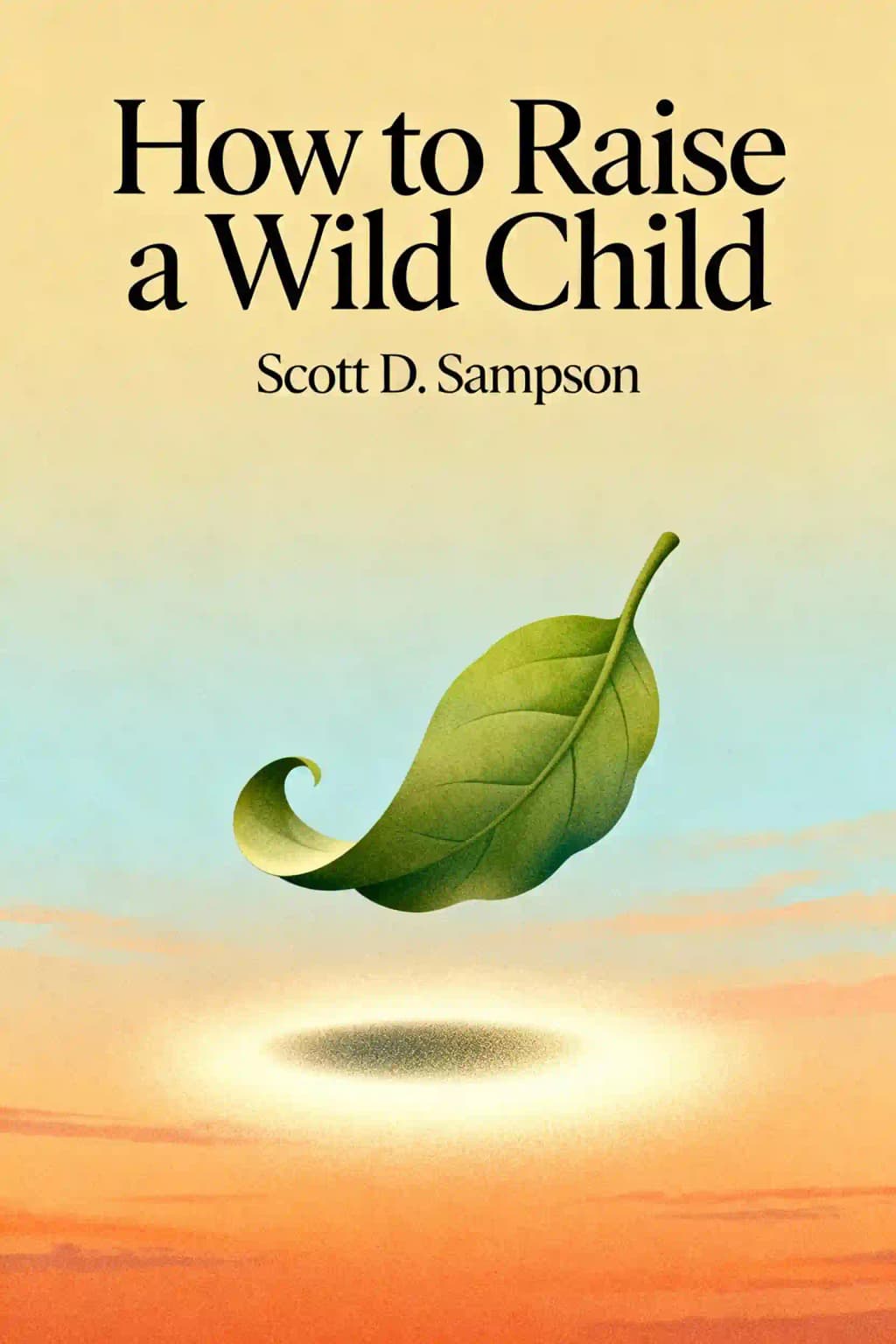
In "How to Raise a Wild Child," paleontologist Scott Sampson offers a science-backed antidote to "nature deficit disorder." With practical strategies for all ages, this guide has inspired thousands of parents to trade screen time for green time - transforming how we nurture the next generation of environmental stewards.
Erlebe das Buch durch die Stimme des Autors
Verwandle Wissen in fesselnde, beispielreiche Erkenntnisse
Erfasse Schlüsselideen blitzschnell für effektives Lernen
Genieße das Buch auf unterhaltsame und ansprechende Weise
Remember playing outside until the streetlights came on? Today's children won't. The average American child spends just minutes outdoors daily while devoting over seven hours to screens. This isn't just nostalgia talking - it's a public health emergency. With childhood obesity rates at 18 percent, ADHD diagnoses climbing to 11 percent, and millions taking medication to focus, we're witnessing what experts call "nature-deficit disorder." This extinction of experience isn't merely harming our children - it threatens our planet's future. How can we expect the next generation to protect what they've never learned to love? The disconnect stems from multiple sources: technology's constant pull, parental fears about safety, litigation concerns, overscheduled activities, and rapid urbanization swallowing natural spaces. But within this crisis lies opportunity - the chance to reconnect our children with the natural world that shaped human development for millennia. We have a paradoxical relationship with nature - seeking it out for recreation while simultaneously destroying it for resources. This contradiction stems from forgetting that we are nature. Yet our bodies remember what our minds have forgotten. Hospital patients with windows overlooking trees recover faster and need less pain medication. Japanese "forest bathers" experience measurable drops in stress hormones and blood pressure after time among trees. Even minimal nature exposure - a few trees in urban settings - reduces aggression and crime rates in neighborhoods. Our brains evolved in natural settings, and they still function best there.
Zerlegen Sie die Kernideen von How to Raise a Wild Child in leicht verständliche Punkte, um zu verstehen, wie innovative Teams kreieren, zusammenarbeiten und wachsen.
Destillieren Sie How to Raise a Wild Child in schnelle Gedächtnisstützen, die die Schlüsselprinzipien von Offenheit, Teamarbeit und kreativer Resilienz hervorheben.

Erleben Sie How to Raise a Wild Child durch lebhafte Erzählungen, die Innovationslektionen in unvergessliche und anwendbare Momente verwandeln.
Fragen Sie alles, wählen Sie die Stimme und erschaffen Sie gemeinsam Erkenntnisse, die wirklich bei Ihnen ankommen.

Von Columbia University Alumni in San Francisco entwickelt
"Instead of endless scrolling, I just hit play on BeFreed. It saves me so much time."
"I never knew where to start with nonfiction—BeFreed’s book lists turned into podcasts gave me a clear path."
"Perfect balance between learning and entertainment. Finished ‘Thinking, Fast and Slow’ on my commute this week."
"Crazy how much I learned while walking the dog. BeFreed = small habits → big gains."
"Reading used to feel like a chore. Now it’s just part of my lifestyle."
"Feels effortless compared to reading. I’ve finished 6 books this month already."
"BeFreed turned my guilty doomscrolling into something that feels productive and inspiring."
"BeFreed turned my commute into learning time. 20-min podcasts are perfect for finishing books I never had time for."
"BeFreed replaced my podcast queue. Imagine Spotify for books — that’s it. 🙌"
"It is great for me to learn something from the book without reading it."
"The themed book list podcasts help me connect ideas across authors—like a guided audio journey."
"Makes me feel smarter every time before going to work"
Von Columbia University Alumni in San Francisco entwickelt

Erhalten Sie die How to Raise a Wild Child-Zusammenfassung als kostenloses PDF oder EPUB. Drucken Sie es aus oder lesen Sie es jederzeit offline.