How to Be a Productivity Ninja
Überblick über How to Be a Productivity Ninja
Forget time management - this is attention management for the digital age. Graham Allcott's business bible, used in professional certification programs at Google and Disney, reveals counterintuitive "ninja" techniques that transformed how professionals handle information overload. What's your biggest productivity battle?
Kernthemen in How to Be a Productivity Ninja
- attention management
- information overload
- strategic ruthlessness
- digital distraction
- decision making quality
Zitate aus How to Be a Productivity Ninja
You will never get everything finished.
Thinking IS our work.
Constant availability invites distraction and interruption.
Focus on results, not conventional methods.
Our minds are our most crucial tools.
Personen in How to Be a Productivity Ninja
- Graham AllcottAuthor and creator of the Productivity Ninja system
Über den Autor
Über den Autor von How to Be a Productivity Ninja
Graham Allcott is the bestselling author of How to Be a Productivity Ninja and a leading expert in time management and efficient work practices. Blending self-help strategies with professional development insights, the book reflects Allcott’s mission to transform traditional productivity methods into practical, engaging solutions.
As the founder of Think Productive, a global training consultancy, he has advised organizations like Amazon, British Airways, and Disney on optimizing workflows and fostering high-performance cultures. His other books, including How to Fix Meetings and KIND: The Quiet Power of Kindness at Work, explore workplace dynamics and organizational culture.
A seasoned speaker, Allcott has delivered talks at Google and featured on platforms like The LifeHack Show, sharing strategies to combat overwhelm and boost focus. A social entrepreneur, he co-founded international charity READ International and serves as a trustee for youth homeless charity Centrepoint.
How to Be a Productivity Ninja has become a global phenomenon, empowering professionals worldwide to work smarter and reclaim their time.
Zusammenfassung von How to Be a Productivity Ninja herunterladen
Erhalten Sie die How to Be a Productivity Ninja-Zusammenfassung als kostenloses PDF oder EPUB. Drucken Sie es aus oder lesen Sie es jederzeit offline.
FAQ zu diesem Buch
How to Be a Productivity Ninja by Graham Allcott is a guide to mastering modern productivity by adopting a Ninja mindset. It emphasizes attention management, Zen-like calm, and ruthless prioritization over traditional time management. The book introduces frameworks like the CORD model (Capture, Organize, Review, Do) to help readers achieve inbox zero, reduce stress, and focus on high-impact tasks in an era of information overload.
Graham Allcott is a UK-based productivity expert, founder of Think Productive, and host of the Beyond Busy podcast. He developed the Productivity Ninja philosophy while leading a nonprofit, later teaching his methods globally to organizations like Microsoft and the Gates Foundation. His work blends mindfulness with practical systems for workflow efficiency.
This book suits overwhelmed professionals, chronic procrastinators, and multitaskers struggling with distractions or overflowing inboxes. It’s ideal for those seeking strategies to manage digital clutter, improve focus, and work smarter in fast-paced environments. Allcott’s humor and actionable advice make it accessible for both corporate and entrepreneurial audiences.
Yes, the book is praised for its updated, tech-savvy approach to productivity, offering fresh alternatives to outdated time-management techniques. Readers appreciate its blend of mindset shifts (like “stealth mode” focus) and actionable systems, such as weekly reviews and the “2-minute rule” for quick tasks.
The CORD model—Capture, Organize, Review, Do—is the book’s core framework. It involves capturing all tasks externally to free mental space, organizing them into actionable lists, reviewing priorities weekly, and executing with focused attention. This method helps reduce overwhelm and aligns tasks with broader goals.
The book rejects rigid scheduling, advocating instead for “attention management.” It teaches readers to match tasks to their energy levels (e.g., proactive mornings for deep work) and use “stealth mode” tactics like turning off notifications to protect focus. Time is treated as a finite resource, with an emphasis on saying “no” to non-essential tasks.
Key principles include:
- Ruthlessness: Cutting non-essential tasks.
- Zen-like Calm: Staying composed under pressure.
- Stealth & Camouflage: Minimizing distractions (e.g., inbox zero).
- Mindfulness: Aligning actions with priorities.
- Agility: Adapting systems as needs evolve.
Allcott suggests processing emails in batches, using the “4 Ds” (Delete, Do, Delegate, Defer), and avoiding constant inbox checks. The CORD model helps triage messages into actionable lists, while “mind like water” exercises reduce anxiety about unresolved tasks.
Some readers note the book prioritizes mindset over step-by-step tools, requiring self-discipline to implement. Others find its focus on “ruthlessness” challenging for collaborative workplaces. However, its principles are widely adaptable.
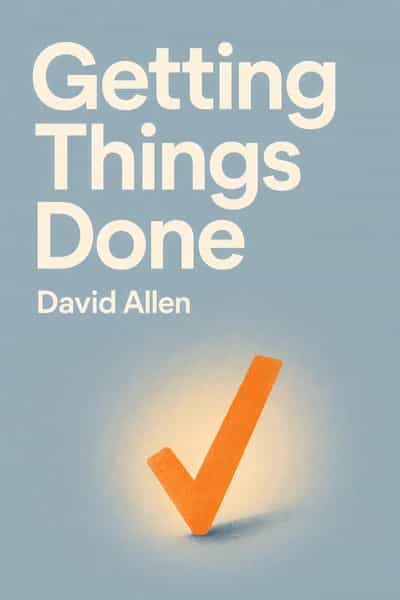
Unlike Atomic Habits or Getting Things Done, Allcott’s approach is tailored for digital-age challenges like social media distractions and remote work. It emphasizes psychological readiness over rigid systems, making it more flexible for dynamic environments.
- Schedule “stealth mode” blocks with notifications off.
- Use physical cues (e.g., headphones) to signal focus time.
- Apply the “2-minute rule” to immediately tackle small tasks.
- Conduct weekly reviews to reset priorities.
Allcott advocates “knowledge judo”—using tools like task managers and filters to control input streams. The book also teaches “productive procrastination,” strategically delaying low-priority tasks to focus on what truly matters.