Kapitel 1
The Life-Saving Power of Plant-Based Nutrition
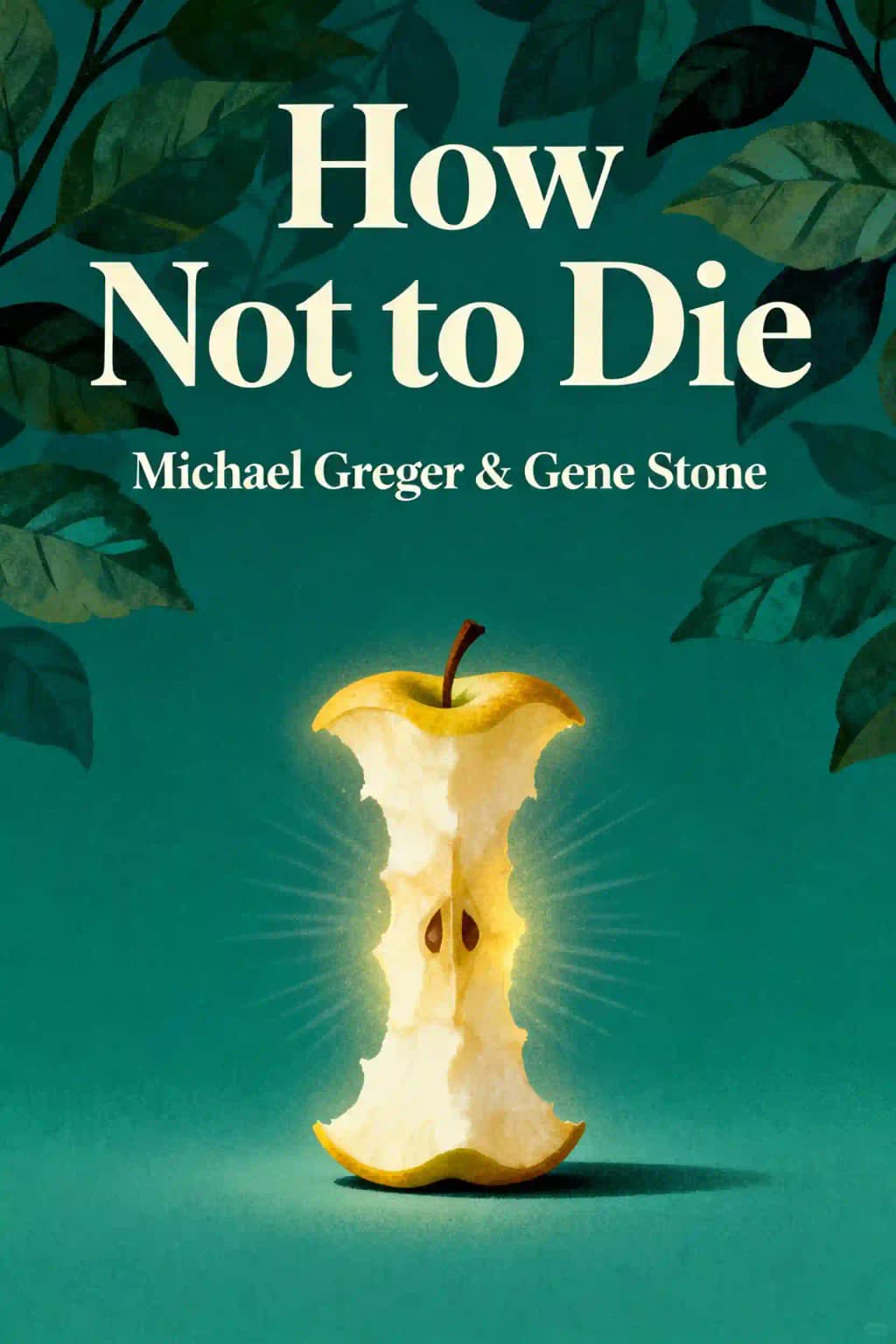
When my grandmother was sent home in a wheelchair to die from end-stage heart disease at age sixty-five, a television program about Nathan Pritikin's plant-based diet changed everything. After being wheeled into his center, she walked out and lived another thirty-one vibrant years. This miracle inspired Dr. Michael Greger's medical career and his mission to uncover buried nutritional science that could save lives. "How Not to Die" has become a global phenomenon, with over a million copies sold and translations in dozens of languages. Celebrities from Miley Cyrus to Venus Williams have embraced its principles, while medical institutions like Kaiser Permanente now recommend plant-based diets as a first-line treatment for chronic disease. This book represents a radical yet evidence-based approach to preventing and reversing the fifteen leading causes of death through the revolutionary power of food.
Kapitel 2
The American Diet: A Recipe for Disaster
The standard American diet rates about a one on a scale of one to ten, with only 11 percent of calories coming from whole plant foods. We eat "as if the future doesn't matter" - a study of death row inmates' last meals found they matched typical American diets. This dietary pattern is killing us slowly but surely.
Following just four simple lifestyle factors can dramatically reduce disease risk: not smoking, maintaining healthy weight, exercising 30 minutes daily, and eating healthier. These alone can eliminate up to 90% of diabetes risk, 80% of heart attack risk, 50% of stroke risk, and over one-third of overall cancer risk. For colon cancer specifically, 71% of cases appear preventable through simple diet and lifestyle changes.
The CDC found that people who maintained three basic healthy behaviors - not currently smoking, eating a reasonably healthy diet, and getting just 21 minutes of moderate daily exercise - reduced their mortality risk by an astonishing 82% over six years. The health benefits equate to being fourteen years younger.
Our cells contain telomeres - protective caps on chromosomes that shorten with age. While smoking accelerates telomere loss, consuming fruits, vegetables and antioxidant-rich foods preserves them. Dr. Dean Ornish and Nobel Prize winner Dr. Elizabeth Blackburn demonstrated that three months of whole-food, plant-based nutrition could boost telomerase activity (the enzyme that rebuilds telomeres). Their five-year follow-up showed participants' telomeres actually grew longer, effectively reversing cellular aging.
A whole-food, plant-based diet - emphasizing unprocessed plant foods while minimizing meat, dairy, eggs, and processed foods - appears to prevent, treat, or reverse all fifteen leading causes of death in America. Unlike medications that target specific symptoms with potential side effects, this evidence-based diet benefits all organ systems simultaneously, addressing the root causes of disease rather than merely treating symptoms.
Kapitel 3
Heart Disease: The Silent Killer We Can Reverse
Imagine a biological threat killing nearly 400,000 Americans annually - one person every 83 seconds. This isn't a terrorist attack but coronary heart disease, America's number one killer that claims more lives than all our past wars combined. The weapon against it isn't a vaccine or antibiotic but simply a fork.
For most Americans raised on conventional diets, fatty deposits called atherosclerotic plaque accumulate inside coronary arteries, slowly narrowing blood vessels and restricting circulation to the heart. This buildup occurs over decades, eventually causing chest pain during exertion. If plaque ruptures, blood clots can form, causing heart attacks that damage or kill heart tissue.
Most alarming is that for the majority of Americans who die suddenly from heart disease, the first symptom is their last - "sudden cardiac death" occurs within an hour of symptom onset. This makes prevention crucial, as you might not know you're at risk until it's too late.
Atherosclerosis begins shockingly early. A 1953 JAMA study of Korean War casualties found 77% of young American soldiers (average age 22) already had visible coronary atherosclerosis. Later studies revealed fatty streaks appear in nearly all American children by age ten, developing into full plaques by our twenties. The disease may even begin before birth - fetuses of mothers with high LDL cholesterol showed arterial lesions. For anyone over ten, the question isn't about preventing heart disease but reversing what likely already exists.
According to Dr. William Roberts, editor of the American Journal of Cardiology, there's only one true risk factor for coronary heart disease: cholesterol. You could be an obese, diabetic, smoking couch potato and still avoid atherosclerosis if your cholesterol is low enough. The optimal LDL level is 50-70 mg/dL, corresponding to total cholesterol around 150 mg/dL - below which no deaths from heart disease occurred in the Framingham Heart Study.
Pioneers like Nathan Pritikin, Dean Ornish, and Caldwell Esselstyn Jr. discovered that plant-based diets don't just prevent heart disease - they can reverse it. When patients with advanced heart disease adopted diets similar to those of heart disease-free populations in Asia and Africa, their bodies began dissolving accumulated plaque. Their arteries opened up without drugs or surgery, even in severe cases of triple-vessel disease, suggesting our bodies naturally want to heal when given the proper nutrition.
Despite decades of research in prestigious journals showing heart disease reversal through plant-based diets, this information hasn't translated to public policy due to industry influence. When the 1977 McGovern Committee advised Americans to reduce animal foods and increase plant foods, industry pressure led to the removal of "decrease meat consumption" from the report and the committee's disbanding. Medical organizations are similarly compromised - the American Academy of Family Physicians had relationships with soda companies and even Philip Morris, while the Academy of Nutrition and Dietetics takes millions from junk food companies and lets them create educational materials for dietitians.
Kapitel 4
Breathing Easier: How Plants Protect Your Lungs
Lung cancer kills more Americans than the next three deadliest cancers combined. Tobacco smoking contributes to 90% of lung cancer deaths, with smokers being 13-23 times more likely to develop the disease than nonsmokers. Even secondhand smoke increases lung cancer risk by 20-30%.
While quitting smoking is the most important step for lung health, certain plant foods can help protect even current smokers. Cruciferous vegetables like broccoli can help mitigate tobacco's DNA-damaging effects. In one study, smokers who ate just one broccoli stalk daily experienced 41% fewer DNA mutations in their bloodstream over ten days compared to non-broccoli-eating smokers.
Turmeric's active compound curcumin is among the most promising cancer-preventing substances tested by the National Cancer Institute. Unlike most chemopreventive agents that work at only one cancer stage, curcumin works at multiple levels - blocking carcinogens, providing antioxidant protection, and preventing tumor growth. In studies where smokers' urine was tested for DNA-mutating chemicals, adding less than a teaspoon of turmeric daily to their diet reduced mutation rates by up to 38%.
Beyond cancer, plant-based diets help prevent and manage chronic obstructive pulmonary disease (COPD) and asthma. High fruit and vegetable intake correlates with better lung function, with each additional daily serving of fruit potentially reducing COPD mortality risk by 24%. Conversely, processed meats may increase COPD risk due to nitrite preservatives that mimic lung-damaging properties of cigarette smoke by-products.
For asthma sufferers, a landmark Swedish study of severe asthmatics who hadn't improved with medical therapy found 90% improved within a year on a plant-based diet, with most reducing or eliminating medications entirely. When researchers removed fruits and vegetables from asthmatics' diets (resembling a standard American diet), symptoms worsened within two weeks. Adding seven daily servings cut asthma exacerbation rates in half.
Cooking fumes may also contribute to lung cancer risk, especially when frying meat. When fats are heated to frying temperatures, they release toxic volatile chemicals with mutagenic properties. Chinese research found that smokers who stir-fried meat daily had nearly triple the lung cancer risk compared to those who stir-fried other foods, likely due to carcinogenic heterocyclic amines formed when muscle tissue is subjected to high heat.
Kapitel 5
Brain Protection: Feeding Your Most Vital Organ
The two most serious brain diseases are stroke (killing nearly 130,000 Americans yearly) and Alzheimer's disease (killing nearly 85,000). While their pathologies differ, evidence suggests a healthy diet may help prevent both conditions.
About 90% of strokes are ischemic, where blood flow to part of the brain is cut off, depriving it of oxygen. High fiber intake not only improves bowel health but also appears to reduce risk of various cancers, diabetes, heart disease, obesity, premature death, and stroke. Unfortunately, less than 3% of Americans meet the minimum daily fiber recommendation. Fiber is naturally concentrated only in whole plant foods - processed foods have less, and animal-derived foods have none. Adding just seven grams of fiber daily (equivalent to a bowl of oatmeal with berries) may reduce stroke risk by 7%.
Potassium, an element first discovered in plant ash (potash), is essential for every cell in the body. Throughout human history, people consumed about 10,000 mg of potassium daily from plant foods, but today less than 2% of Americans reach the recommended 4,700 mg. Research shows that increasing potassium intake by just 1,640 mg per day is associated with a 21% reduction in stroke risk.
Citrus fruit consumption is associated with reduced stroke risk, even more so than apples. The key may be a phytonutrient called hesperidin that increases blood flow throughout the body, including the brain. Studies show that consuming hesperidin equivalent to two cups of orange juice decreases blood pressure and increases blood flow.
For Alzheimer's disease, when Dr. Alzheimer first described his famous patient Auguste in 1901, he noted not just the characteristic plaques and tangles but also "arteriosclerotic change" in her brain's blood vessels. This overlooked clue supports the "cardiogenic dementia" concept proposed in the 1970s - that inadequate blood flow to the oxygen-sensitive aging brain leads to cognitive decline.
While popular media portrays Alzheimer's as primarily genetic, global distribution patterns challenge this view. Alzheimer's rates vary tenfold worldwide, even accounting for population age differences. Migration studies reveal that Japanese men living in America have significantly higher rates than those in Japan, and African Americans have four times the risk of Nigerians. The evidence points to diet as the culprit. Japan's Alzheimer's rates have surged alongside a dietary shift from traditional rice and vegetables to meals containing triple the dairy and six times the meat.
Plant-based diets, particularly Mediterranean-style eating patterns rich in vegetables, beans, fruits, and nuts but lower in meats and dairy, are associated with slower cognitive decline and reduced Alzheimer's risk. The Harvard Women's Health Study found that women with the highest saturated fat intake had 60-70% greater cognitive deterioration over time, while those with the lowest intake had brain function equivalent to women six years younger.
Aerobic exercise offers hope for those experiencing early cognitive decline. In a 2010 study, people with mild cognitive impairment who exercised aerobically for 45-60 minutes, four days weekly for six months, not only halted their decline but actually improved their memory test scores. MRI scans confirmed that aerobic exercise can reverse age-related shrinkage in the brain's memory centers.
Kapitel 6
Digestive Health: Protecting Your Internal Interface
Americans lose more than five million years of life annually from potentially preventable cancers, with most human cancers linked to external factors, particularly diet. The digestive tract, with its vast surface area - potentially thousands of square feet counting all the folds - represents our primary interface with the outside world, making dietary exposure to carcinogens particularly significant.
Colorectal cancer is the second-leading cancer killer in America, yet it's virtually unknown in some parts of the world. Surgeon Denis Burkitt spent 24 years in Uganda, where many hospitals had never seen a case of colon cancer. He concluded fiber was key, as Ugandans ate mostly whole plant foods.
But fiber isn't the complete story. The protective compounds called phytates, found in seeds of plants (whole grains, beans, nuts, and seeds), may be equally important. Phytates detoxify excess iron in the body, particularly the heme iron in meat that's associated with colorectal cancer.
Once maligned as mineral inhibitors based on outdated animal studies, phytates are now recognized for their health benefits. People who eat more high-phytate foods have greater bone mineral density, less bone loss, and fewer hip fractures. Phytates protect bones similarly to osteoporosis drugs but without serious side effects.
In cancer prevention, phytates shine. A six-year California study found meat consumption doubled colon cancer risk, with white meat surprisingly worse than red. Beans helped offset this risk, suggesting cancer risk depends on your meat-to-vegetable ratio. The difference between high-vegetable/low-meat and low-vegetable/high-meat diets can mean an eightfold difference in colorectal cancer risk.
Pancreatic cancer is exceptionally lethal with just 6% of patients surviving five years after diagnosis. Studies of poultry workers reveal alarming cancer risks. Those who slaughter chickens have approximately nine times higher odds of developing both pancreatic and liver cancer - far exceeding the risk from smoking cigarettes for fifty years, which merely doubles pancreatic cancer odds.
The massive EPIC study following 477,000 people found a 72% increased risk of pancreatic cancer for every 50 grams (less than two ounces) of chicken consumed daily. Researchers were surprised that poultry - not red meat - showed stronger cancer connections.
Acid reflux affects about 28% of Americans compared to just 5% in Asia, suggesting dietary factors play a key role. Within five minutes of eating fatty foods, the sphincter muscle at the top of the stomach relaxes, allowing stomach acid to creep up into the esophagus. Studies show meat consumption doubles the odds of reflux-induced esophageal inflammation compared to vegetarians. The most protective foods against esophageal cancer appear to be red, orange, and dark-green leafy vegetables, berries, apples, and citrus fruits.
Kapitel 7
Fighting Infections Through Better Nutrition
Humanity's domestication of animals has unleashed countless infectious diseases previously unknown to humans. Nearly three-quarters of all emerging human diseases arise from the animal kingdom. While exotic pathogens like SARS and Ebola make headlines, common infections like influenza and pneumonia kill nearly 57,000 Americans annually.
Your immune system works constantly to protect you from pathogens that surround and live inside you. Research shows eating just five servings of fruits and vegetables daily can boost immune response by 82% compared to those eating fewer than three servings.
Our intestinal lining covers over two thousand square feet yet is only fifty-millionths of a meter thick - thinner than tissue paper. Special white blood cells called intraepithelial lymphocytes maintain this fragile barrier and defend against pathogens. These cells are activated by compounds in cruciferous vegetables like broccoli. Our bodies likely evolved to use vegetables as signals to boost intestinal defenses during meals.
Natural killer cells - vital white blood cells that fight viruses and cancer without requiring prior exposure - can be boosted by eating berries. Athletes consuming 1.5 cups of blueberries daily for six weeks doubled their natural killer cell count to over four billion, compared to the normal one billion.
Exercise can reduce sick days from upper respiratory infections by 25-50 percent. Even minimal activity produces results - just six minutes of running increases children's immune cell levels by nearly 50 percent. Regular exercise helps prevent age-related immune decline, with elderly walkers reducing their infection risk from 50 to 20 percent, while conditioned runners show only 8 percent risk.
Foodborne illness affects roughly one in six Americans annually - about 48 million people. Over 100,000 are hospitalized and thousands die from contaminated food. The most devastating pathogen-food combinations include Campylobacter and Salmonella in poultry, Toxoplasma in pork, and Listeria in deli meats and dairy.
Researchers have traced the origin of many urinary tract infections to chicken through DNA fingerprinting. UTI-causing E. coli from slaughterhouses was linked directly to infected women, proving bladder infections can be zoonotic (animal-to-human) diseases. This discovery has serious implications considering UTIs affect over ten million American women annually at a cost exceeding $1 billion, with many strains now antibiotic-resistant.
The WHO Director-General has warned we're approaching a "post-antibiotic era" where common infections could once again kill. Despite calls to restrict antibiotics in agriculture to therapeutic purposes only, about 80% of antimicrobial drugs sold in America go to the meat industry. These antibiotics appear in meat consumers' urine even when they haven't taken those medications themselves.
Kapitel 8
Defeating Diabetes Through Diet
Diabetes mellitus, characterized by chronically elevated blood sugar, affects more than twenty million Americans - triple the cases since 1990. Type 2 diabetes (90-95% of cases) happens when fat accumulation inside muscle and liver cells interferes with insulin function - saturated fat essentially "gums up the locks" where insulin would normally allow glucose to enter cells.
Insulin resistance, the hallmark of type 2 diabetes, occurs when muscle cells can't properly respond to insulin. Studies dating back to 1927 showed that fat-rich diets dramatically increased insulin resistance within days. The mechanism is now clear: fat in the bloodstream builds up inside muscle cells, creating toxic breakdown products that block insulin signaling. Researchers can now visualize this process - just one "hit" of fat can compromise glucose absorption within 160 minutes.
Prediabetes - elevated blood sugar not yet reaching diabetic thresholds - is no longer considered merely a risk state but a condition already causing organ damage. Children as young as eight now develop type 2 diabetes, previously called "adult-onset diabetes." This alarming trend parallels childhood obesity rates, which have increased by over 100% in recent decades.
Plant-based diets dramatically reduce diabetes risk - flexitarians cut risk by 28%, pescatarians by 50%, vegetarians by 61%, and vegans by 78% compared to daily meat-eaters. Even at identical weights, vegans have less than half the diabetes risk of omnivores.
Instead of starving by eating less food or undergoing risky surgery, diabetics can reverse their condition by eating better food. In a pilot study, diabetics who adopted a 90% plant-based diet of greens, vegetables, beans, whole grains, fruits, nuts and seeds saw their hemoglobin A1c levels drop from a diabetic 8.2 to a non-diabetic 5.8 after seven months - while also reducing or eliminating their medications.
Even more remarkably, a study from over thirty-five years ago proved that plant-based diets improve diabetes independent of weight loss. Type 2 diabetics were placed on a plant-based diet and deliberately fed enough food to prevent any weight loss. Even without losing weight, their insulin requirements dropped by about 60%, and half were able to completely eliminate insulin injections after just sixteen days.
Plant-based diets enable weight loss without portion control or calorie counting because plant foods are naturally nutrient-dense yet low in calories. Vegetarians may even have an 11 percent higher resting metabolic rate, burning more calories even during sleep due to increased expression of fat-burning enzymes.
Kapitel 9
Controlling Blood Pressure Naturally
High blood pressure is the number-one risk factor for death worldwide, killing nine million people annually by contributing to aneurysms, heart attacks, heart failure, kidney failure, and stroke. In the United States, nearly seventy-eight million people - one in three adults - have hypertension.
While many consider rising blood pressure an inevitable consequence of aging, research from the 1920s comparing Kenyans on plant-based diets to Westerners proves otherwise. Up to age forty, both populations had similar blood pressures around 125/80. But as Westerners aged, their blood pressure surged past 140/90 by age sixty, while Kenyans' blood pressure actually improved to 110/70.
Cutting salt intake by just half a teaspoon daily could prevent 22% of stroke deaths and 16% of fatal heart attacks - potentially more effective than blood pressure medications. This simple dietary change could save up to 92,000 American lives annually.
The Yanomamo Indians, who consume the lowest recorded sodium intake (similar to what humans evolved eating), maintain perfect 100/60 blood pressure throughout their lives with zero cases of hypertension. Dr. Walter Kempner demonstrated in the 1940s that a low-sodium, plant-based diet could reverse malignant hypertension in 70% of cases, even when the condition was previously a death sentence.
Whole grains can match the blood pressure-lowering benefits of medications (15% reduced heart attack risk and 25% reduced stroke risk) without the adverse side effects. While medications cause problems like electrolyte disturbances, increased cancer risk, lethargy, impotence, and fall injuries, whole grains provide beneficial side effects - lowering risks of type 2 diabetes, heart disease, weight gain, and colon cancer.
While health organizations recommend lifestyle modifications before medication for high blood pressure, most patients end up on multiple drugs with unpleasant side effects. The DASH diet (Dietary Approaches to Stop Hypertension) was designed to mimic vegetarian diets' benefits while remaining "palatable to nonvegetarians" by including meat and dairy. However, research shows the more plant-based one's diet becomes, the greater the blood pressure benefits. Compared to regular meat-eaters, flexitarians have 23% lower hypertension rates, pescatarians 38% lower, vegetarians 55% lower, and vegans an impressive 75% lower risk.
Ground flaxseeds provide "one of the most potent blood-pressure-lowering effects ever achieved by dietary intervention" - two to three times more powerful than exercise programs. In a double-blind, placebo-controlled study, hypertensive subjects eating flaxseeds daily saw their blood pressure drop from 158/82 to 143/75 - a reduction that could result in 46% fewer strokes and 29% less heart disease over time.
Kapitel 10
The Daily Dozen: Your Blueprint for Optimal Health
While whole-food, plant-based nutrition seems straightforward, not all plant foods are equally beneficial. Some contain special nutrients not abundant elsewhere. To ensure you incorporate all these beneficial foods, Dr. Greger developed his Daily Dozen checklist - a comprehensive guide for daily nutrition goals that helps visualize balanced meals.
The Daily Dozen includes: beans (3 servings), berries (1 serving), other fruits (3 servings), cruciferous vegetables (1 serving), greens (2 servings), other vegetables (2 servings), flaxseeds (1 tablespoon), nuts/seeds (1 serving), herbs/spices (including 14 teaspoon turmeric), whole grains (3 servings), beverages (5 servings), and exercise (1 daily "serving").
This isn't meant to be obsessive - many foods can check multiple boxes simultaneously. A peanut butter banana sandwich checks four boxes; a large salad with spinach, arugula, walnuts, chickpeas, bell pepper and tomato knocks out seven boxes at once. The checklist helps develop the habit of thinking, "How can I make this meal even healthier?"
Beans uniquely straddle both protein and vegetable food groups, providing protein, iron, and zinc like animal products while also delivering fiber, folate, and potassium like vegetables. Legumes have been found to be "the most important predictor of survival in older people" globally, with an 8 percent reduction in premature death risk for every 20 grams consumed daily.
Berries offer protection against cancer, boost the immune system, and guard the liver and brain. An American Cancer Society study found those who ate the most berries appeared significantly less likely to die of cardiovascular disease. Compared to other foods, berries average nearly ten times more antioxidants than other fruits and vegetables and over fifty times more than animal-based foods.
Dark-green leafy vegetables are the healthiest foods on the planet, offering the most nutrition per calorie. Eating greens nearly every day may be one of the most powerful steps to prolong life, with Harvard researchers finding they provide the strongest protection against major chronic diseases, including up to 20% reduction in heart attack and stroke risk per daily serving.
Cruciferous vegetables deserve their own spot on the Daily Dozen due to their sulforaphane content, which has shown remarkable benefits from preventing DNA damage and cancer spread to protecting the brain, eyesight, and even improving autism symptoms in clinical trials.
Flaxseeds offer remarkable protection against various health conditions. Ground flaxseeds have a light, nutty flavor that can be sprinkled on virtually any food, and their nutrients remain stable even when baked.
Herbs and spices aren't just flavor enhancers - they're medicinal powerhouses with extraordinary antioxidant potential. Turmeric stands out for its remarkable anti-inflammatory properties, with clinical studies showing its effectiveness for conditions ranging from arthritis pain to inflammatory bowel disease.
Whole grains are nutritional powerhouses that significantly reduce mortality risk. Research shows they lower rates of heart disease, type 2 diabetes, and inflammatory conditions. Unlike refined grains, whole grains contain all three essential parts - bran, germ, and endosperm - preserving their fiber, antioxidants, and anti-inflammatory compounds.
Kapitel 11
Making Each Day Count
The author's friend Art, despite being extremely healthy - eating a plant-based diet for over two decades and being an avid snowboarder and mountain biker - died unexpectedly at age 46 from carbon monoxide poisoning from an improperly vented water heater. This tragedy taught the author that no matter how well we eat or live, we must make each day count.
The food industry manipulates our brain's dopamine reward system, much like tobacco companies and drug lords. Processed foods with concentrated sugar and fat can dull our dopamine receptors, requiring increasingly larger amounts to achieve satisfaction - similar to drug addiction. PET scans show decreased dopamine sensitivity in obese individuals comparable to cocaine addicts. By sticking to whole plant foods, we can restore normal dopamine sensitivity and derive greater pleasure not just from simple foods but from all of life's experiences.
A whole-food, plant-based diet is the only eating pattern proven to reverse heart disease in most patients. As American College of Cardiology president Dr. Kim Williams said about his plant-based diet: "I don't mind dying. I just don't want it to be my fault."
While plant-based diets provide nearly every required nutrient in abundance, modern lifestyles create certain nutritional shortfalls. B12 supplementation is critical for anyone on a plant-based diet. Deficiency can lead to devastating consequences including paralysis, psychosis, blindness, and even death. For those unable to get sufficient sun exposure, a daily vitamin D3 supplement is recommended.
The evidence is clear: a diet centered around whole plant foods can prevent, halt, and even reverse many of our most common and deadly diseases. This isn't just about adding years to your life - it's about adding life to your years. The power to transform your health is on your plate, three times a day, every day. The choice is yours.