Kapitel 1
A Deadly Dance of Addiction and Redemption
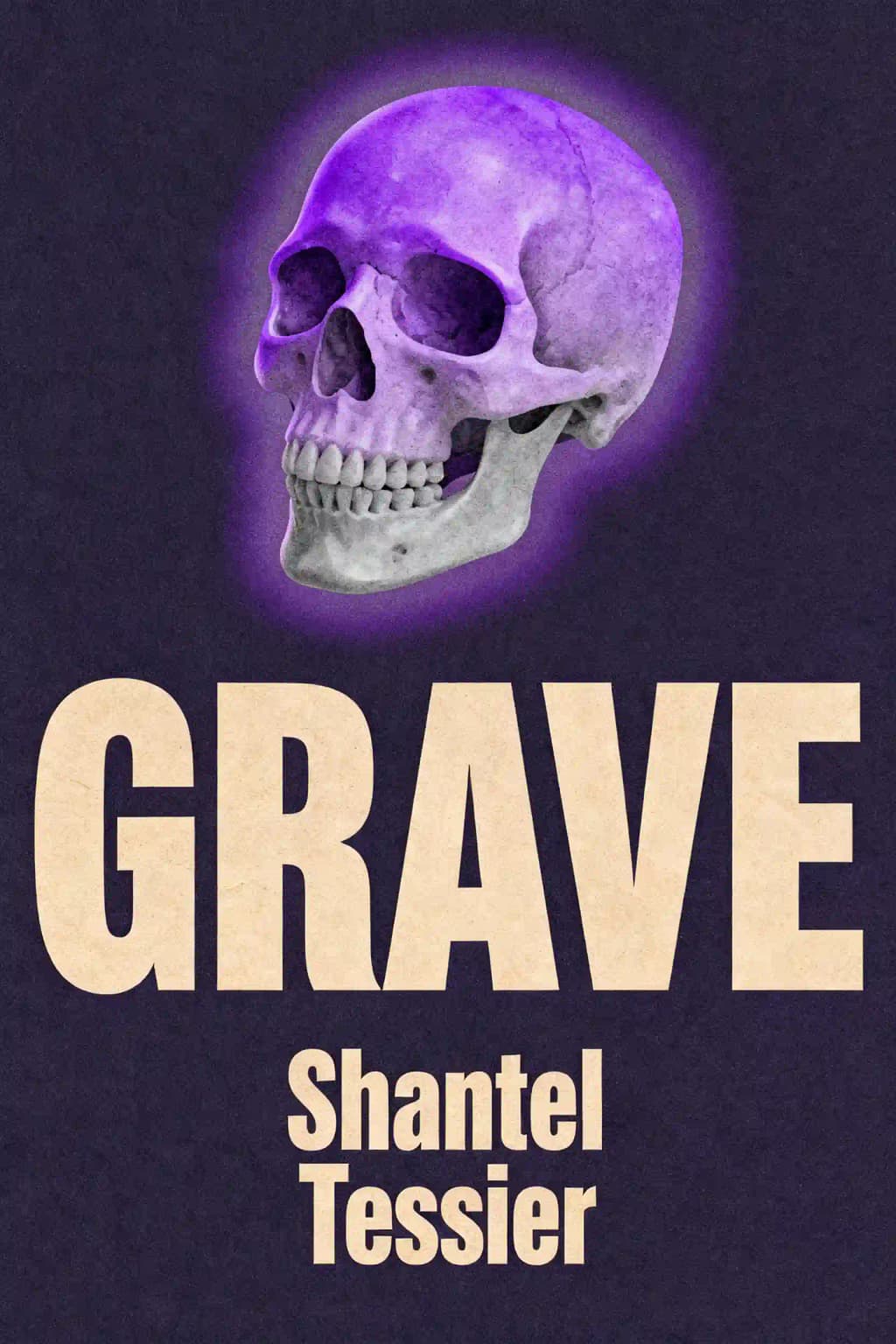
In the neon-drenched landscape of Las Vegas, where secrets are currency and vices run deep, "Grave" by Shantel Tessier has captivated readers with its raw portrayal of addiction, desire, and redemption. This dark romance has become a TikTok sensation, with readers drawn to its unflinching exploration of a man's self-destructive spiral and the unexpected love that might save him. Tessier's work sits alongside authors like Penelope Douglas and L.J. Shen in the growing "mafia romance" genre that's seen explosive growth in recent years. What makes this story particularly compelling is how it refuses to glamorize addiction while still delivering the intense romantic connection readers crave. As one celebrity fan, actress Lucy Hale, noted: "It's like watching someone dance on the edge of a cliff-terrifying but impossible to look away from."
Kapitel 2
The Kings of Kingdom: Vegas's Dark Underbelly
In the glittering city of Las Vegas, where the motto "what happens in Vegas stays in Vegas" is practically law, Grave knows better. As one of the Kings who inherited the powerful empire called Kingdom from their fathers (known as the "Three Wisemen"), he moves through the city's underbelly with dangerous ease. Kingdom isn't just a nightclub - it's a sprawling criminal enterprise carefully disguised behind the pulsing lights and thumping bass of the Strip's most exclusive venue. The operation encompasses everything from high-stakes underground fighting rings in warehouse districts to elaborate gambling schemes that put millions in play nightly, all while maintaining a veneer of legitimacy through their legitimate businesses.
Grave, whose real name is Kyle, lives a life of calculated excess that serves as both escape and punishment. His prized Dodge Challenger SRT Demon - customized with a twin-turbo setup pushing 1,000 horsepower - screams through the desert streets at dawn while he races for pink slips worth hundreds of thousands. In the underground fighting circuit, he's known for his ruthless efficiency, taking down opponents with a cold precision that's earned him both respect and fear. His nights blur between VIP sections and private poker rooms, where he gambles with the recklessness of someone who doesn't care if he lives or dies, numbing himself with an endless parade of designer drugs and willing women.
His brother Bones (Dillan) serves as Kingdom's voice of reason, constantly trying to pull Grave back from the edge of self-destruction. While Cross manages their legitimate business ventures with corporate precision, and Titan oversees security with military discipline, it's Bones who holds their fractured family together. The four Kings grew up together, raised in the shadow of their fathers' empire, but none carry the weight of expectation quite like Grave.
The roots of Grave's self-destructive spiral trace back to a single rain-soaked afternoon when he was seventeen. At his mother's funeral, as thunder rolled overhead, his father grabbed his arm when he started to cry, hissing "turn it off" with such venom that it forever changed him. While his brother Bones stood stoically - earning their father's approving nod - Grave learned that emotions were weakness, and weakness got you killed in their world. This moment created a man who seeks oblivion in any form he can find it, whether in the bottom of a whiskey bottle or the adrenaline rush of a street race.
The Kings operate by an intricate code of honor and violence, where loyalty is everything and betrayal means death. They protect their territory with brutal efficiency, whether it's dealing with rival gangs encroaching on their turf or handling internal threats to their organization. In their world, power isn't just about money - it's about respect, fear, and the ability to control not just the game but the players themselves. This is the world Grave inhabits - one where emotions are a liability, power is currency, and the next rush is always just around the corner. But beneath his carefully constructed facade of indifference lies a man haunted by loss and yearning for connection, even if he'd rather die than admit it.
Kapitel 3
April's Blooming World: Roses and Responsibilities
April's world couldn't be more different from Grave's. As the owner of "Roses," a flower shop with a beautiful mural she painted herself on the back wall, she creates life and beauty where Grave seeks destruction. After her mother's death, April took over the family business and became the de facto parent to her younger brother Ethan, sacrificing her own dreams and shouldering responsibilities far beyond her years.
Her flower shop represents everything she values-growth, care, and the legacy of her mother. The red rose painted on the window that first catches Grave's attention symbolizes both her artistic talent and her nurturing nature. Unlike the transactional relationships that define Kingdom, April's world is built on genuine connections and care.
Yet April's life isn't without its complications. Her brother Ethan has been sneaking out at night, and she soon discovers he's involved with Kingdom in some capacity. Her protective instincts kick in, but she's also drawn to the mysterious tattooed man who enters her shop one day-a man who seems both dangerous and vulnerable in equal measure.
April's circle includes her loyal best friend Alexa, Alexa's protective brother Derek who harbors feelings for April, and eventually new friends like Jasmine, Haven, and Emilee who are connected to the Kings. These relationships form her support system as she navigates increasingly complicated waters.
What makes April compelling is her combination of strength and compassion. She's not naive-she researches Grave online and knows about his reputation-but she sees beyond the surface to the wounded man beneath. Her world of flowers and responsibility creates the perfect counterpoint to Grave's chaos, setting the stage for their unlikely connection.
Kapitel 4
Collision of Worlds: When Roses Meet Thorns
When Grave impulsively enters April's flower shop "Roses" on a rain-soaked Tuesday afternoon, neither realizes how profoundly their lives will intertwine. Their first meeting crackles with tension and attraction - he's drawn to her purple hair styled in a messy bun and the delicate flower tattoos trailing up her forearms, while she's both wary and intrigued by his tattooed, dangerous aura and the way his presence seems to fill the small shop. This initial encounter sets the pattern for their relationship: Grave pushing boundaries while April maintains her own strength, matching his intensity with quiet resolve.
Their worlds collide more dramatically when April discovers her younger brother Ethan owes a dangerous gambling debt to the Mason brothers, notorious crime family of the city's east side. When their thugs destroy her flower shop looking for payment - smashing vintage vases, trampling rare orchids, and spray-painting threats across her carefully curated window displays - April storms into Kingdom, the underground fight club Grave runs, believing he sent them. Instead, Grave's reaction surprises her. He immediately steps in to protect her, not only paying Ethan's fifty-thousand-dollar debt but arranging round-the-clock security for her shop and bringing in his own contractors for repairs, showing a gentler side beneath his hardened exterior.
This act of protection marks a turning point in their dynamic. Despite knowing better, April accepts Grave's dinner invitation to an intimate Italian restaurant where he knows the owner personally. Their chemistry proves undeniable over wine and handmade pasta, leading to an unexpected revelation - Grave remains completely sober for their first night together, marking his first clear-headed sexual experience in years. For a man who uses substances to numb childhood trauma and fighting injuries, this vulnerability represents a significant shift in his patterns.
What makes their connection truly compelling is how they each see past the other's carefully constructed facades. April recognizes the deep-seated pain driving Grave's self-destruction - the weight of his past visible in quiet moments when he thinks no one's watching. Meanwhile, he values her strength and creativity, seeing beyond her practical exterior to the passionate artist within. When she shows him the sprawling butterfly garden mural she painted behind her shop, his genuine appreciation of her talent - expressed through silent awe rather than empty praise - touches something deep within her that's been yearning for understanding.
Their relationship develops against an increasingly dangerous backdrop of complications. Lucy Mason, Grave's long-term hookup who's obsessively in love with him, becomes increasingly unstable - leaving threatening notes at April's shop and showing up uninvited at her apartment. The Mason brothers loom as a constant threat, viewing April as leverage against both Grave and her brother. And Grave's own demons - his addiction to pills, alcohol, and the adrenaline rush of underground fighting - threaten to destroy everything before it truly begins, testing April's commitment to loving someone who might not know how to love himself back.
Kapitel 5
The Destructive Dance of Addiction
Tessier's portrayal of addiction is unflinchingly honest and devastatingly precise. Grave doesn't just enjoy drugs and alcohol - he has woven them into the very fabric of his existence. His dependence runs deeper than mere physical craving; it's a psychological fortress he's built to protect himself from the raw edges of reality. The pill bottle becomes an extension of his being, tucked into jacket pockets and hidden in desk drawers, its contents carefully counted and rationed. When separated from it, his hands tremble and his thoughts scatter like startled birds. Even in board meetings and professional presentations, he excuses himself regularly to "freshen up," a euphemism for the quick fixes that keep him functioning.
The novel masterfully illustrates how addiction creates concentric circles of damage, rippling outward to touch everyone in its reach. Grave's brother Bones bears the deepest scars, having discovered him unconscious in various states: face-down in the bathroom, slumped over his steering wheel, sprawled across his office floor. These moments have turned Bones into an unwilling guardian, his phone always on, sleep always light, waiting for the next crisis. His friends have developed their own coping mechanisms - some, like Marcus, enable him with "just one drink" that becomes five, while others, like Sarah, stage increasingly desperate interventions that end in shouting matches and slammed doors. When April enters this complicated ecosystem, she discovers that loving an addict means competing with a relationship far more consuming than any human connection.
The funeral scene serves as a brutal illustration of addiction's emotional toll. As his father's body lies in state, Grave maintains a chemical barrier between himself and his grief. His cold command to "Burn his body" and the savage dismissal of the ashes - "Throw them where they belong, in the fucking trash" - reveal how substances have corroded his ability to process loss. The scene is made more poignant by brief flashbacks to childhood moments when his father's own drinking created the template for Grave's current behavior.
The novel's unflinching examination reaches its crescendo in the Airport incident. When Lucy, harboring both obsession and resentment, spikes Grave's drink, she sets off a cascade of destruction. Grave's missed date with April becomes more than just a stood-up dinner - it's the moment trust shatters. The compromising photos that emerge show him in a state he can't remember, leading to April's devastated withdrawal, his own spiral of shame, and Lucy's subsequent suicide attempt in room 505, where she swallows the same pills she once used to trap him.
What elevates Tessier's portrayal is its nuanced exploration of addiction's roots in trauma. Through carefully placed flashbacks and raw dialogue, we see how Grave's dependence grew from seeds planted in childhood pain. His confession to April that he takes drugs "to feel alive" carries layers of meaning - it's simultaneously his most honest moment and his deepest self-deception. The drugs have become both his lifeline and his prison, offering temporary escape while ensuring he remains trapped in cycles of numbness and chaos. April's response - touching his face and saying "But you're not really living, are you?" - crystallizes the central tragedy of addiction: the very tools used for survival become instruments of slow destruction.
Kapitel 6
Betrayal and Breaking Points
The novel reaches its breaking point when Lucy's obsession with Grave takes a dangerous turn. After April discovers Grave's relationship with her, Lucy drugs his drink at the Airport, causing him to miss his date with April. While intoxicated, Lucy performs sexual acts on him while he believes she's April-a violation that leaves him feeling betrayed and disgusted.
When Lucy later sends April a video of herself apparently attempting suicide by swallowing pills, April insists they help her despite Grave's warnings that it's manipulation. At Lucy's apartment, Grave forces her to vomit the pills while April calls a doctor. This crisis momentarily brings April and Grave together, but the revelation of Lucy's deception at the hospital creates new tension.
The situation escalates further when Lucy is found dead in her penthouse, apparently by suicide. Grave becomes distant and closed-off, blaming himself for her death. What April doesn't know is that Grave has learned the truth: Jimmy Trust drugged, raped, and murdered Lucy, staging it as a suicide. In a brutal act of revenge, Grave helps Lucy's brother Turner kill Jimmy by making him choke on his own vomit.
This secret vengeance marks Grave's darkest moment. Consumed by guilt and unable to process his emotions, he pushes April away and returns to drugs. When she tries to help him, he cruelly tells her, "I don't need your help! And I sure as fuck don't need you," causing her to leave in tears.
These betrayals and breaking points serve as the novel's emotional climax. Lucy's obsession, Jimmy's violence, and Grave's spiral create a perfect storm that threatens to destroy any chance of happiness. The question becomes whether love can possibly survive such darkness.
Kapitel 7
Pregnancy and Transformation
The novel takes a dramatic turn when April discovers she's pregnant despite being on birth control. This revelation comes at the lowest point in their relationship, when Grave has pushed her away and returned to drugs. When she tells him about the pregnancy, he promises to be better but she can't trust him-she'll have the baby but won't raise their child with an addicted father.
This ultimatum becomes the catalyst for Grave's transformation. After a confrontation with his brother and Titan, Grave makes the decision to enter rehab. In a touching scene, he leaves a sleeping April with a letter explaining he's getting help, that he loves her and their baby. This marks his first step toward genuine change-not just for himself, but for his growing family.
The pregnancy represents hope and future in a story otherwise dominated by past traumas. For Grave, who lost his mother and had a toxic relationship with his father, the chance to create a healthy family becomes powerful motivation. For April, who has been caring for her brother since their mother's death, this pregnancy offers a chance to build something positive rather than just managing crises.
During Grave's time in rehab, April continues building her life-expanding her flower shop business after the publicity from Titan and Emilee's wedding, buying the boutique next door, and maintaining the support network of friends who've become like family. Her strength during this period demonstrates that while she loves Grave, she's not dependent on him for her identity or success.
When Grave receives a day pass to attend Titan and Emilee's wedding, he and April reunite with renewed commitment. His promise-"I'm going to spend the rest of my life proving to you that I love you"-carries weight because it's backed by action. The pregnancy has transformed their relationship from passionate affair to potential family, giving both characters something bigger than themselves to fight for.
Kapitel 8
Redemption Through Love and Accountability
The novel's final act presents a nuanced exploration of redemption - not through dramatic gestures or instant transformation, but through the quiet dignity of daily choices and sustained accountability. After completing an intensive three-month rehabilitation program, Grave moves into April's spare bedroom, marking the beginning of their carefully reconstructed relationship. Their Sunday brunches become a weekly ritual, with "the men grilling outside while the women cook inside," representing not just domestic normalcy but the kind of stable, healthy life Grave never thought possible for himself.
What makes this redemption arc particularly compelling is its refusal to offer easy solutions. Grave still wrestles with the ghosts of his past - the trauma of finding his mother's body, the crushing guilt over Lucy's overdose, the years lost to addiction. His sobriety isn't portrayed as a magical cure but as a conscious choice he makes every morning, sometimes every hour. The difference now lies in his support system, with April's steady presence helping him face his demons instead of numbing them. Their morning coffee ritual, where they sit in comfortable silence watching the sunrise, becomes symbolic of this new way of living - present, aware, connected.
The healing extends beyond their relationship through the powerful reconciliation between Grave and his brother Bones. At Titan's wedding reception, in a quiet corner away from the celebration, they have their first honest conversation in over a decade. Bones finally voices what he's carried for years: "I failed you after Mom died. I was so focused on keeping us afloat that I forgot to be your brother." Their exchange of "I love you" - words unused between them since childhood - marks the restoration of family bonds that addiction had corroded. This scene resonates particularly because both men struggle with the vulnerability, their emotions showing in clenched jaws and averted eyes rather than dramatic displays.
April's journey toward forgiveness demonstrates the complexity of rebuilding trust. She establishes clear boundaries, requiring Grave to demonstrate sustained change before fully opening her heart again. Their relationship rebuilds through small moments - his consistent attendance at NA meetings, his willingness to discuss difficult emotions, his genuine efforts to help at Roses without taking over. This accountability framework makes their eventual reunion more meaningful - she chooses him with full awareness of both his struggles and his capacity for growth.
The epilogue, set one month after the wedding, shows their transformed lives without suggesting perfect resolution. Roses is expanding into the adjacent storefront, Ethan has maintained six months of clean grades, and their friend group has solidified into a chosen family that meets every Sunday without fail. April's reflection that "Whatever brought Grave into Roses that morning, fate knew exactly what it was doing" suggests that redemption isn't about erasing darkness but about finding light within it - about choosing love not despite life's complications but because of them. Their story concludes not with all problems solved, but with two people facing life's challenges together, armed with hope and hard-won wisdom.
Kapitel 9
The Power of Chosen Family
Throughout the novel, the theme of chosen family emerges as a powerful counterpoint to the toxic biological families many characters experienced. Grave's father was emotionally abusive, prioritizing Kingdom over his sons' wellbeing. The Mason siblings grew up without a mother, with Lucy specifically taught to seek male attention through her sexuality. April and Ethan lost their mother, leaving April to become a parent figure at a young age.
Against this backdrop of broken families, the characters create their own support systems. The Kings-Grave, Bones, Titan, and Cross-function as brothers beyond blood, with complex dynamics of loyalty, frustration, and protection. When Grave needs intervention, it's Titan who breaks down his door and forces him to face reality.
For April, her chosen family expands to include Jasmine, Haven, and Emilee, who rally around her during her pregnancy and Grave's rehab. These women, all connected to the Kings in different ways, understand the unique challenges of loving men with dangerous lifestyles and complicated pasts. Their support allows April to maintain her independence while still fighting for her relationship.
The Sunday brunches mentioned in the epilogue symbolize this chosen family in action-creating traditions and stability where chaos once reigned. For Grave especially, who grew up with a father who modeled toxic masculinity and emotional repression, learning to be vulnerable within this community represents profound growth.
What makes this theme particularly resonant is how it connects to the central love story. April and Grave don't just create a relationship; they create a home-a place where both can heal from past wounds and build something neither had before. Their baby will be born into this chosen family, surrounded by people who've learned from their mistakes and committed to breaking destructive cycles.
Kapitel 10
Finding Beauty in Broken Places
The novel concludes with April's reflection that "fate knew exactly what it was doing" when it brought Grave into her flower shop. This sentiment captures the central message: that beauty can emerge from the most unlikely and broken places. Like the flowers April nurtures, love requires care, patience, and the right conditions to bloom.
Grave's journey from self-destruction to redemption isn't neat or simple. He makes devastating mistakes, hurts the woman he loves, and carries guilt that will never fully disappear. Yet his transformation is all the more powerful because of these struggles. When he tells April, "The drugs never made me love you-they only dulled the intensity of what I truly feel," he articulates the novel's core truth: that real connection requires vulnerability, not numbness.
April's flower shop "Roses" serves as the perfect metaphor for this theme. Roses are beautiful but have thorns; they require care but reward patience. When Grave first enters the shop, he's drawn to it because it reminds him of his mother who loved flowers-a rare moment of sentiment from a man who usually avoids emotional connections. By the end, the expanding shop represents the growth they've achieved together.
The mural April painted on the back wall of her shop similarly embodies this theme. Her artistic talent transforms a plain wall into something beautiful, just as her love helps transform Grave from a self-destructive addict into a man worthy of family and future. When he has her drawing tattooed as his sleeve, it becomes a permanent reminder of how she saw beauty in him when he couldn't see it himself.
In a city built on illusion and temporary pleasures, April and Grave find something real and lasting. Their story suggests that redemption isn't about erasing darkness but about finding light within it-about choosing love even when it's difficult, and building beauty in the most broken places.