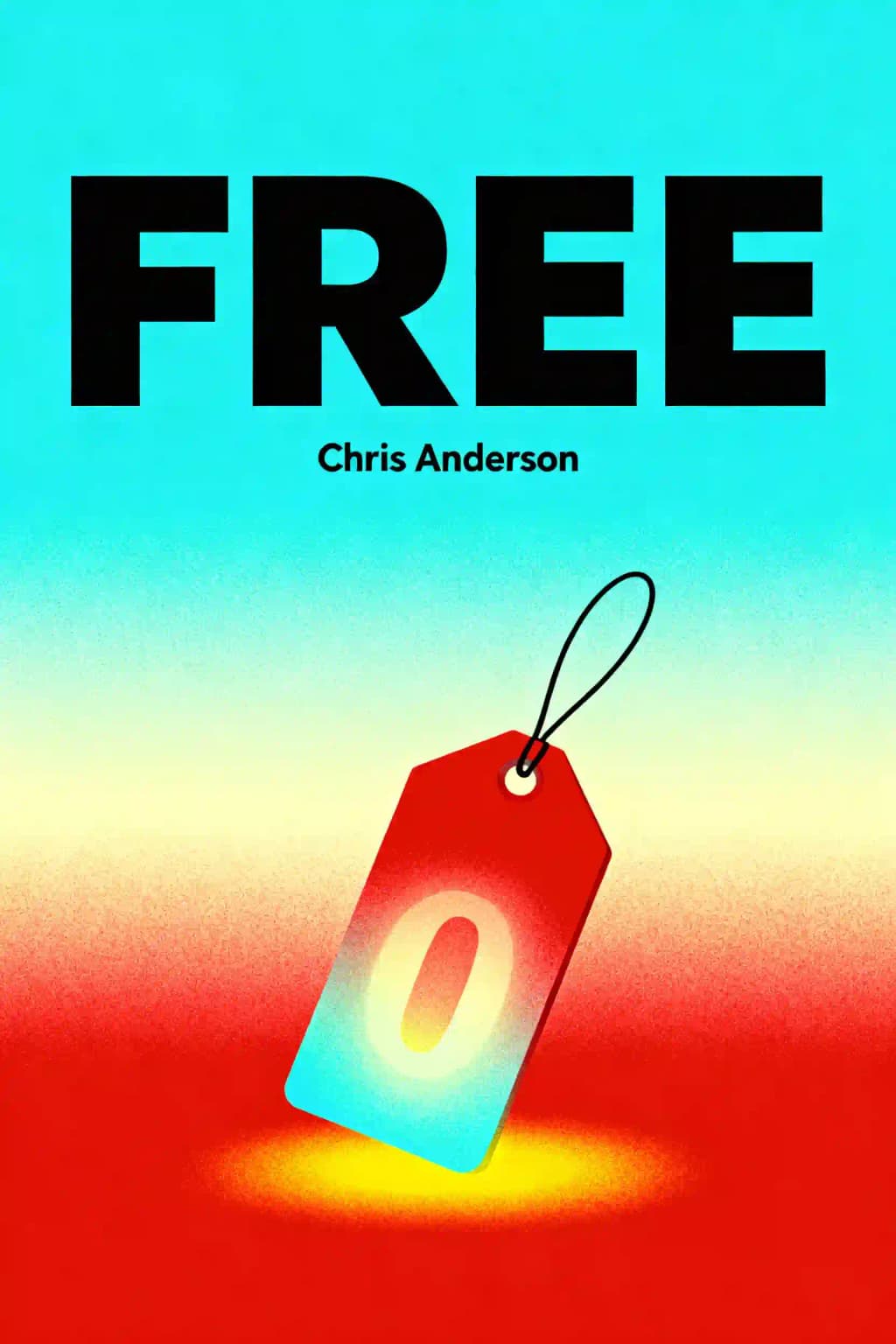
In "Free," Wired editor Chris Anderson reveals how zero-cost offerings reshape business. Downloaded 300,000 times in two weeks, this NYT bestseller sparked debate between Malcolm Gladwell and CEOs worldwide. Discover why giving products away might be your most profitable strategy.
Erlebe das Buch durch die Stimme des Autors
Verwandle Wissen in fesselnde, beispielreiche Erkenntnisse
Erfasse Schlüsselideen blitzschnell für effektives Lernen
Genieße das Buch auf unterhaltsame und ansprechende Weise
What happens when you stop fighting pirates and join them instead? In November 2008, the comedy troupe Monty Python faced a choice familiar to countless content creators: watch their sketches get stolen on YouTube, or do something radical. They chose radical. They launched their own channel, uploaded high-quality videos, and told the world: "We're letting you see absolutely everything for free. So there! But we want something in return... click on the links, buy our movies and TV shows, and soften our pain and disgust at being ripped off all these years." Within three months, their DVD sales exploded by 23,000 percent, hitting #2 on Amazon's bestseller list. This wasn't luck-it was the counterintuitive power of zero as a price point. By giving away what cost nothing to distribute, they generated massive exposure and dramatically boosted sales of physical products. This paradox-making money by charging nothing-has created an economy as large as a good-sized country, all revolving around $0.00. The strategy of "free" didn't start with the internet. In 1895, a carpenter named Pearle Wait created flavored gelatin his wife dubbed "Jell-O," but consumers showed zero interest in this unfamiliar food. After businessman Orator Frank Woodward bought the struggling brand for $450, he tried something revolutionary in 1902: printing thousands of free recipe pamphlets and distributing them door-to-door. Salesmen would blanket towns with these booklets, then visit local merchants advising them to stock Jell-O for the coming demand. By 1904, this transformed Jell-O into a runaway success, reaching a million dollars in annual sales by 1906.
Zerlegen Sie die Kernideen von Free in leicht verständliche Punkte, um zu verstehen, wie innovative Teams kreieren, zusammenarbeiten und wachsen.
Destillieren Sie Free in schnelle Gedächtnisstützen, die die Schlüsselprinzipien von Offenheit, Teamarbeit und kreativer Resilienz hervorheben.

Erleben Sie Free durch lebhafte Erzählungen, die Innovationslektionen in unvergessliche und anwendbare Momente verwandeln.
Fragen Sie alles, wählen Sie die Stimme und erschaffen Sie gemeinsam Erkenntnisse, die wirklich bei Ihnen ankommen.

Von Columbia University Alumni in San Francisco entwickelt
"Instead of endless scrolling, I just hit play on BeFreed. It saves me so much time."
"I never knew where to start with nonfiction—BeFreed’s book lists turned into podcasts gave me a clear path."
"Perfect balance between learning and entertainment. Finished ‘Thinking, Fast and Slow’ on my commute this week."
"Crazy how much I learned while walking the dog. BeFreed = small habits → big gains."
"Reading used to feel like a chore. Now it’s just part of my lifestyle."
"Feels effortless compared to reading. I’ve finished 6 books this month already."
"BeFreed turned my guilty doomscrolling into something that feels productive and inspiring."
"BeFreed turned my commute into learning time. 20-min podcasts are perfect for finishing books I never had time for."
"BeFreed replaced my podcast queue. Imagine Spotify for books — that’s it. 🙌"
"It is great for me to learn something from the book without reading it."
"The themed book list podcasts help me connect ideas across authors—like a guided audio journey."
"Makes me feel smarter every time before going to work"
Von Columbia University Alumni in San Francisco entwickelt

Erhalten Sie die Free-Zusammenfassung als kostenloses PDF oder EPUB. Drucken Sie es aus oder lesen Sie es jederzeit offline.