Kapitel 1
Revolutionizing Your Plate: The Science of Eating Well
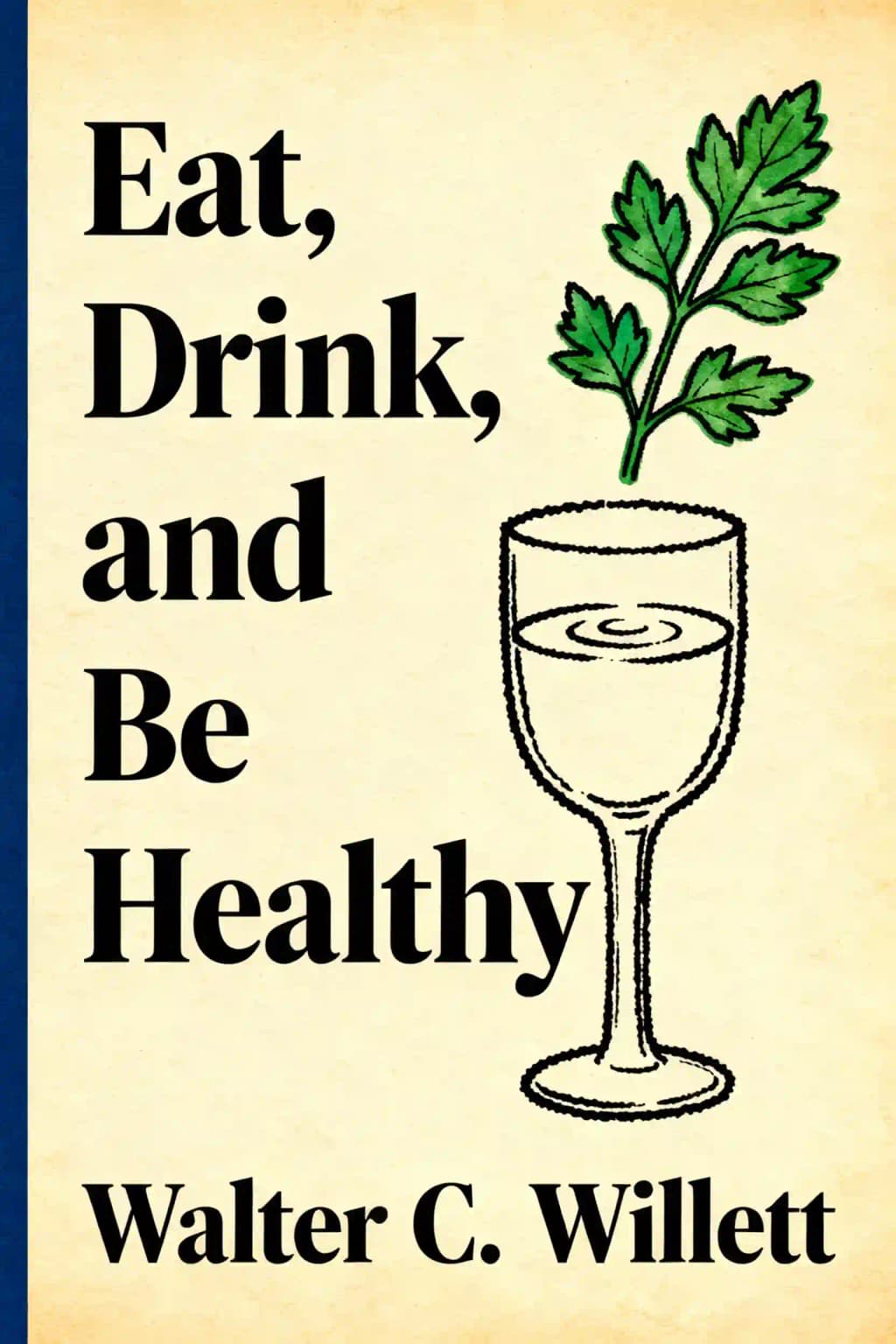
Have you ever wondered why nutrition advice seems to change faster than fashion trends? One day eggs are villains, the next they're heroes. Fat is demonized, then celebrated. It's enough to make anyone throw up their hands and reach for whatever's convenient. But what if there was a science-based approach to eating that could cut through the noise? Walter Willett's groundbreaking "Eat, Drink, and Be Healthy" does exactly that, challenging conventional wisdom and the USDA's misguided food pyramids with evidence-based recommendations that have stood the test of time. As Harvard's nutrition chair for over 25 years, Willett's work has influenced millions-from celebrity health enthusiasts like Gwyneth Paltrow to policy makers worldwide. His Mediterranean-inspired approach has become the gold standard for nutritional science, offering a flexible framework that both prevents disease and celebrates the joy of eating well.
Kapitel 2
The Food Pyramid's Fatal Flaws
For decades, Americans followed official dietary advice that was fundamentally flawed. The USDA's 1992 Food Guide Pyramid, developed with input from food industry giants, recommended eating abundant carbohydrates (6-11 servings daily), moderate fruits and vegetables, some protein from meat and dairy, and minimal fats of any kind. This advice wasn't just misguided-it was potentially harmful.
Why was it so wrong? The pyramid failed to distinguish between types of fats, lumping heart-healthy olive oil with artery-clogging trans fats. It treated all carbohydrates as equally beneficial, whether whole grain bread or sugary cereal. It placed protein sources like fish, nuts, red meat, and processed meats in the same category despite vastly different health effects. Perhaps most problematically, it completely omitted crucial guidance on physical activity, weight control, and alcohol consumption.
The consequences were devastating. As Americans dutifully cut fat and loaded up on "fat-free" processed carbohydrates, obesity rates soared. Heart disease remained the nation's top killer. The diabetes epidemic accelerated.
When Willett and colleagues tested the USDA's recommendations against data from the massive Nurses' Health Study and Health Professionals Follow-Up Study, they made a shocking discovery: people who closely followed the government's advice were just as likely to develop major illnesses or die over a twelve-year period as those who ignored it. The pyramid wasn't just ineffective-it was potentially harmful.
In response, Willett created the evidence-based Healthy Eating Pyramid in 2000, followed by the Healthy Eating Plate in 2011. These alternatives emphasized daily exercise and weight control as the foundation, distinguished between healthy and unhealthy fats and carbohydrates, and recognized the importance of plant-based proteins. When tested using the Alternative Healthy Eating Index, those following this pattern showed substantially lower risks of chronic diseases.
The contrast between these approaches highlights a fundamental problem: the USDA faces an inherent conflict between promoting American agriculture and protecting public health. Powerful lobbies from dairy, beef, soft drink, and other food industries shape guidelines through Congressional pressure and direct USDA influence, resulting in watered-down recommendations designed to please various food interests rather than optimize health.
Kapitel 3
The Carbohydrate Conundrum: Not All Carbs Are Created Equal
Remember when carbohydrates were considered dietary heroes? The USDA pyramid placed them at the foundation of healthy eating, recommending 6-11 servings daily. Then came the low-carb revolution, with diets like Atkins and Paleo demonizing all carbs as weight-gain culprits. The truth, as usual, lies somewhere in between-but with crucial distinctions that most guidelines miss.
The problem isn't carbohydrates themselves but the types we consume. Traditional populations thrived on high-carbohydrate diets because they ate minimally processed whole grains and were physically active. Modern Americans face a double challenge: we're heavier and less active, and we consume highly refined grains stripped of their nutritional value.
When grains are refined, the fibrous bran and nutrient-rich germ are removed, leaving primarily starch that digests quickly and harmfully elevates blood sugar, insulin, and triglycerides. This metabolic roller coaster increases risk of cardiovascular disease and diabetes. Even China, traditionally a high-carbohydrate society, now faces a diabetes epidemic as lifestyles modernize while carbohydrate intake remains high.
The traditional division between "bad" simple carbohydrates (sugars) and "good" complex carbohydrates (starches) oversimplifies nutrition. The glycemic index (GI), developed by researcher David Jenkins, measures how quickly foods affect blood sugar. Surprisingly, many "complex" carbohydrates like white bread (GI: 75) and baked potatoes (GI: 78) spike blood sugar more dramatically than table sugar (GI: 65) or even ice cream (GI: 61).
This isn't just academic-it affects your health directly. The Nurses' Health Study found women consuming high-glycemic diets had 33% greater risk of developing diabetes. A drug study using acarbose (which converts high-glycemic foods to low-glycemic foods) showed a 25% lower risk of diabetes, cardiovascular disease, and high blood pressure, providing conclusive evidence of the relationship between glycemic index and disease development.
What determines a food's glycemic impact? Processing is key-intact grains like steel-cut oats (GI: 55) have lower glycemic impacts than instant oatmeal (GI: 83). Fiber content matters too-apples (GI: 38) digest more slowly than apple juice (GI: 41). Even particle size affects digestion-finely ground whole wheat bread can have a glycemic index nearly as high as white bread.
The solution isn't eliminating all carbohydrates but choosing the right ones: intact grains like steel-cut oats, brown rice, and quinoa; legumes like beans and lentils; and most fruits and non-starchy vegetables. These foods deliver steady energy without the metabolic havoc caused by refined options. And remember-potatoes and corn function more like starches than vegetables in your body, despite their classification in USDA guidelines.
Kapitel 4
The Fat Paradox: Why Some Fats Heal While Others Harm
For decades, Americans were bombarded with the message that "fat is bad," making it dietary Public Enemy Number One. We dutifully reduced fat intake and spent billions on low-fat products, yet obesity rates soared and heart disease remained rampant. What went wrong?
The anti-fat campaign failed because it ignored a crucial fact: our bodies need fat for essential functions. The key isn't eliminating fat but distinguishing between types. Fatty acids-the technical term for fats-belong to four main categories, each affecting health differently:
Saturated fats, solid at room temperature, come primarily from animal sources and tropical oils. They raise LDL ("bad") cholesterol to varying degrees, though the effect isn't uniform across all saturated fats. Contrary to popular belief, eggs and chocolate, despite containing saturated fat, don't significantly increase heart disease risk when consumed moderately.
Monounsaturated fats from olive oil, nuts, and avocados remain liquid at room temperature and help reduce harmful LDL cholesterol. These are the predominant fats in the Mediterranean diet, which has been linked to remarkable longevity and low heart disease rates.
Polyunsaturated fats, essential for health but not made by our bodies, come from plant oils, seeds, grains, and fatty fish. They include omega-3 and omega-6 fatty acids, both of which reduce LDL when replacing saturated fats. Omega-3s, found abundantly in fish, help prevent dangerous heart arrhythmias and reduce inflammation.
Trans fats, created through partial hydrogenation of vegetable oils, are the most harmful. Women consuming the most trans fats (about 3% of daily calories) were 50% more likely to develop heart disease over fourteen years than those eating the least. After decades of research confirmed their dangers, the FDA finally ruled in 2015 that partially hydrogenated oils were no longer "generally recognized as safe"-a move estimated to prevent up to 220,000 heart attacks annually.
The evidence for replacing saturated fats with unsaturated fats is compelling. A comprehensive 2016 analysis following 126,233 participants for up to 32 years found that people consuming the highest total fat (42% of calories) had 16% lower mortality than those with the lowest intake (25%). Different fats showed varying relationships with mortality: trans fats increased risk most strongly, saturated fats slightly increased risk, while monounsaturated and polyunsaturated fats decreased risk.
Clinical trials confirm these findings. The Lyon Diet Heart Study demonstrated dramatically that heart attack survivors following a Mediterranean diet (rich in olive oil, whole grains, vegetables, fruits, fish) experienced 70% fewer second heart attacks and deaths compared to those on low-fat diets. The PREDIMED trial with 7,500 high-risk Spaniards showed Mediterranean diets supplemented with either olive oil or nuts reduced cardiovascular events compared to low-fat diets.
What about cancer? Despite early beliefs that low-fat diets prevent cancer, large cohort studies and clinical trials haven't confirmed this relationship. The Women's Health Initiative found no significant difference in breast cancer rates between women following low-fat diets versus regular diets after seven years. The strongest dietary factor for cancer risk appears to be excess calorie consumption rather than fat intake specifically.
Kapitel 5
Protein Puzzles: Animal vs. Plant Sources
We know less about dietary protein's role in health than we do about fats and carbohydrates, but emerging research provides important guidance. Proteins form the building blocks of our bodies, making up about 15% of our weight in structures like hair, skin, muscles, and enzymes. They're composed of amino acid chains, with some proteins being "complete" (containing all essential amino acids) while others are "incomplete."
Most Americans easily meet or exceed the recommended daily protein intake (about 0.8 grams per kilogram of body weight), so the key question isn't how much protein to eat but what kind. The "protein package"-what accompanies the protein-matters more for health than the protein itself. Beef delivers complete protein but also saturated fat, while beans provide protein with fiber and phytochemicals.
Research from the Nurses' Health Study and Health Professionals Follow-Up Study reveals important distinctions between protein sources. Processed meats like bacon, sausage, and deli meats are classified as "carcinogenic" by the World Health Organization, particularly for colorectal cancer. Red meat is classified as "probably carcinogenic" and increases type 2 diabetes risk. Meanwhile, nuts, legumes, and poultry are associated with lower disease risk.
For heart disease, plant protein correlates with lower risk while animal protein (especially red meat) correlates with higher risk. The difference isn't just about fat content-other components in animal foods may influence disease development. For example, high dairy consumption in men correlates with increased prostate cancer risk, possibly because dairy raises insulin-like growth factor 1 levels.
Protein source also matters for weight management. High-protein diets aid weight loss because protein-rich foods slow stomach emptying, creating longer-lasting fullness, and have gentler effects on blood sugar than carbohydrates. However, the source matters significantly-red meat, skin-on chicken, and regular cheese are associated with weight gain, while yogurt, nuts, skinless chicken, low-fat cheese, and seafood correlate with less weight gain.
Nuts deserve special attention as nutritional powerhouses. An ounce provides about 8 grams of protein (equivalent to a glass of milk) plus healthy unsaturated fats that reduce LDL cholesterol while maintaining HDL levels. Multiple large studies show 30-50% lower heart disease risk among regular nut consumers. The PREDIMED trial demonstrated that daily nut consumption with a Mediterranean diet lowered heart disease risk without causing weight gain.
Fish, especially fatty varieties like salmon, mackerel, and sardines, provide excellent protein along with omega-3 fatty acids that reduce heart disease risk. Studies show fish consumption correlates with fewer Alzheimer's-related brain changes. While mercury contamination concerns exist for certain species, the cardiovascular benefits of fish consumption far outweigh potential contaminant risks for most adults.
Kapitel 6
Fruits and Vegetables: Nature's Medicine Cabinet
Eating abundant fruits and vegetables offers numerous health benefits: decreased risk of cardiovascular disease, diabetes, and stroke; lower blood pressure; prevention of constipation and diverticulitis; protection against cataracts and macular degeneration; delayed memory loss; weight control through increased satiety; and greater dietary variety.
Unlike supplements, whole fruits and vegetables contain thousands of beneficial phytochemicals working in concert, most still undiscovered. While vitamin supplements provide insurance, they cannot replace the complex interactions of compounds found in whole foods, nor their sensory pleasures.
Plant classification by family helps understand nutritional relationships. The crucifer family (broccoli, Brussels sprouts, cabbage) contains protective compounds like isothiocyanates. The heath family provides anthocyanin-rich berries potentially preventing diabetes and heart disease. The lily family (garlic, onions) contains cancer-fighting sulfur compounds. Eating from multiple plant families ensures receiving diverse beneficial compounds.
Eating a colorful variety delivers different protective compounds with each color choice. The vibrant spectrum from red tomatoes to purple eggplants not only makes meals more appealing but ensures you receive diverse phytonutrients.
Despite the bounty of available produce, Americans underutilize this resource, relying on roughly a dozen fruits and vegetables with daily consumption averaging only four servings-a figure inflated by potatoes. A national survey revealed only 1 in 9 Americans meets the minimum recommended five daily servings.
Research shows five daily servings provide the greatest benefit for reducing cardiovascular disease and premature death. Among 185,000 participants in the Nurses' Health Studies and Health Professionals Follow-Up Study, those eating four or more daily servings of fruits and vegetables had 7% lower hypertension rates than those eating fewer than four weekly servings. Five daily servings correlated with 30% lower ischemic stroke risk.
The DASH trial demonstrated that eight daily servings substantially lowered blood pressure-comparable to medication effects-with potassium from produce being the key factor. Fruits and vegetables also help reduce cholesterol, possibly through soluble fiber or by displacing saturated fat sources.
Dark green leafy vegetables protect against age-related eye conditions like cataracts and macular degeneration. Lutein and zeaxanthin, pigments found in kale, collards, spinach and other greens, accumulate in the eye where they neutralize free radicals before they damage sensitive tissues.
The indigestible fiber in fruits and vegetables promotes healthy bowel function by absorbing water and expanding through the digestive tract. This relieves constipation, calms irritable bowel, and reduces pressure inside the intestines. Studies show that higher fiber intake prevents diverticulosis and diverticulitis.
For cancer prevention, the evidence is more nuanced. When Harvard researchers analyzed data from 110,000 participants followed for nearly twenty years, those eating eight-plus daily servings developed cancer at similar rates to those eating fewer than 1.5 servings. However, specific produce items may protect against particular cancers-cruciferous vegetables against bladder cancer and certain fruits and vegetables against breast cancer.
Kapitel 7
Beverages: The Overlooked Aspect of Nutrition
What you drink is just as important to your health as what you eat. The body's fluid balance is critical for survival, with water comprising more than half your body weight and serving essential functions from cellular structure to waste removal.
Water remains the ideal beverage for hydration-pure H2O with no calories or additives at minimal cost. While most U.S. tap water is safe and regularly tested under EPA standards, bottled water isn't necessarily safer and often costs hundreds of times more. In blind taste tests, tap water frequently outperforms bottled water.
While fruit and vegetable juices provide vitamins and minerals, they can add substantial calories when consumed regularly. A 12-ounce serving of orange juice contains about 150 calories-equivalent to three chocolate chip cookies or a can of soda. The fundamental problem is that juice allows consuming multiple fruits' worth of sugar in moments.
Sugar-sweetened beverages represent one of the most harmful dietary choices. A typical 12-ounce sugared soda contains 7-9 teaspoons of sugar with no nutritional value. Unlike food calories, people often don't compensate for "liquid calories," leading to weight gain. The simple sugars in soda cause rapid blood sugar spikes and insulin surges, increasing type 2 diabetes risk by 13% per daily serving. Sugar-sweetened beverages also raise triglycerides, lower HDL cholesterol, and increase kidney stone risk by 33%.
Milk provides high-quality proteins, minerals, and nutrients that benefit young children and possibly the elderly, but for adolescents and most adults, excessive consumption carries potential risks. Despite dietary guidelines recommending three daily servings, milk consumption raises several concerns: lactose intolerance affects most adults worldwide; whole milk delivers substantial saturated fat; three glasses add 330-450 daily calories; and studies link dairy consumption to increased risks of prostate cancer and possibly hip fractures.
Despite its historically dubious reputation, coffee is remarkably safe and healthy when consumed in moderation. Coffee offers several benefits: reduced risk of kidney stones, lower chance of gallstones, and significantly decreased risk of type 2 diabetes (with each daily cup lowering risk by about 8%, and six cups offering 33% lower risk). Coffee consumption is also associated with fewer suicides, 25% lower risk of Parkinson's disease, reduced liver cancer risk, and lower overall mortality.
While alcohol abuse causes significant harm, moderate consumption offers certain benefits, particularly for middle-aged and older adults. For men, one or two drinks daily reduces heart attack risk by 30-40%, comparable to statin medications. For women, even one drink every other day slightly increases breast cancer risk, though this risk is lower in women with adequate folic acid intake. The type of alcoholic beverage matters less than consistency-drinking alcohol at least three days weekly provides greater cardiovascular benefits than the same amount consumed in one day.
Kapitel 8
The Calcium Conundrum: Beyond Milk and Dairy
Despite decades of dairy industry campaigns promoting high calcium intake, there isn't actually a calcium emergency in the United States. Americans already have among the highest calcium intakes globally, and evidence doesn't support the need for the currently recommended high levels, particularly from dairy products that deliver unnecessary saturated fat and calories.
The body contains about two pounds of calcium, with 99% locked in bones. This mineral serves as the "mortar" cementing bone components for strength and structure. The remaining calcium circulates in blood and cellular fluids, helping conduct nerve impulses and regulate heartbeat.
The optimal calcium intake remains uncertain. Balance studies suggest about 550mg daily is sufficient for the average adult, considerably lower than current U.S. recommendations of 1,000-1,200mg. Short-term studies show temporary 1-2% increases in bone density with calcium supplementation, but these gains plateau after about a year and disappear when supplementation stops. The body demonstrates remarkable adaptation to lower calcium intakes over time, becoming more efficient at calcium utilization and excretion.
Paradoxically, hip fracture rates tend to be higher in countries with high calcium intake and lower in countries with low calcium consumption. Prospective cohort studies show mixed results regarding calcium's protective effects against fractures. Meta-analyses of randomized trials found no significant reduction in fracture risk with calcium supplementation alone; some even showed increased hip fracture risk. In the largest trial, the Women's Health Initiative, women taking calcium and vitamin D supplements for seven years had slightly better hip bone density but no reduction in hip fractures and increased kidney stone risk.
Beyond bones, calcium plays other roles. Studies suggest moderate calcium intake (700-800mg daily) may offer modest protection against colorectal cancer. Evidence on calcium's effects on blood pressure is inconsistent, with potential benefits mainly for those with low dietary calcium. Claims about dairy consumption and weight loss are misleading-any weight loss comes from calorie reduction, not dairy products themselves.
Excessive calcium intake carries risks. A 2013 meta-analysis found higher calcium intake beneficial in populations with low intake but linked to increased fracture risk in those consuming over 700mg daily. Swedish women with calcium intakes above 1,400mg who also took supplements faced double the risk of premature death.
Bone health depends on multiple factors beyond calcium. Exercise is crucial-physical activity stimulates bone remodeling and strengthening, with different exercises benefiting different bones. Sex hormones like estrogen and testosterone are vital for bone development and maintenance. Limiting preformed vitamin A is important, as high doses can accelerate bone breakdown. Vitamins D and K play essential roles-vitamin D aids calcium absorption while vitamin K helps regulate calcium and stabilize bone formation.
The ideal osteoporosis prevention strategy isn't consuming excessive calcium from dairy as commonly believed. Instead, aim for 600-1,000mg calcium daily through a varied diet, which provides about 300mg naturally. Adding one dairy serving daily ensures adequate intake, while three servings exceeds healthy ranges. For those avoiding dairy, a 500mg calcium supplement suffices. Everyone should: be physically active, take 800-1,000 IU vitamin D daily, eat green vegetables for vitamin K, and avoid excessive preformed vitamin A.
Kapitel 9
The Planet's Health: How Diet Affects Our Environment
Our food choices affect not only our individual health but also our planet's health and the wellbeing of future generations. Climate change has become an urgent global issue, visible through retreating glaciers worldwide and an increasingly open Arctic Ocean. These environmental changes directly impact food production, while food production simultaneously affects climate.
Industrial agriculture contributes to climate change through multiple pathways: fossil fuels used in fertilizer production, irrigation, and transportation; methane from livestock (25 times more powerful than CO2 at trapping heat); water contamination from agricultural runoff creating massive dead zones; aquifer depletion in farming regions; and species extinction through pesticide use and monoculture farming. These aren't theoretical future concerns-they're already affecting our world, as evidenced by the disappearance of monarch butterflies and unprecedented rates of species loss.
Climate change is accelerating faster than predicted, potentially putting one-third of Boston underwater by 2100 if sea levels rise six feet as models suggest. Food production has already slowed due to climate impacts, while population growth increases demand. With the world population expected to reach 9.7 billion by 2050, we face the triple challenge of feeding more people a healthy diet sustainably.
Fortunately, planet-healthy choices align with personal health. The single most important step is reducing red meat and dairy consumption. Beef represents just 4% of the U.S. food supply but generates 36% of diet-related greenhouse emissions. One pound of beef creates seventeen times more water pollution than a pound of pasta. Despite scientific recommendations to eat less red meat for both human and planetary health, meat industry lobbying forced this advice to be excluded from the 2015-2020 Dietary Guidelines.
Urban agriculture is expanding as city dwellers grow food in backyards, on rooftops, and in community gardens. Entrepreneurs are creating innovative solutions like rooftop greenhouses and recycled shipping containers that can produce the equivalent of two acres of farmland in a small footprint.
Despite the appeal of grass-fed beef, there's no scientific evidence it offers health advantages over feedlot beef. Environmental impacts are comparable between the two systems-feedlot cattle reach market weight in about two years versus four years for grass-fed, resulting in similar lifetime greenhouse gas production. However, feeding grain to cattle remains hugely inefficient and environmentally damaging. Reducing beef consumption in favor of poultry, fish, and plant proteins would benefit both human health and planetary health.
While eating a primarily plant-based diet won't single-handedly solve global warming, it could contribute significantly to feeding the world while we develop better food production methods and improve planetary health.
Kapitel 10
Finding Your Sustainable Eating Pattern
The search for the perfect diet often leads to frustration because no single diet works for everyone. Individual responses to diets vary dramatically-what works for one person may fail for another. This variation likely stems from genetic, environmental, and psychological factors.
Almost any diet that reduces calorie intake will work temporarily, but most restrictive diets contain the seeds of their own failure through hunger and cravings. What's needed is a sustainable plan that benefits overall health, not just weight. The evidence shows almost any diet works temporarily, but no single approach works for everyone.
Instead of following someone else's weight-loss diet, build your own based on a Mediterranean-type diet-the approach with the best long-term results for weight control and overall health. Using the information in this book, you can adapt the Mediterranean diet to incorporate foods and flavors from various cuisines, including your personal preferences.
The Mediterranean diet provides an excellent foundation but can be enhanced with practices from other cultures-like the Japanese tradition of serving small, interesting portions instead of large bland helpings, or incorporating nutritious Latin American grains like quinoa. This approach allows for creativity while maintaining health benefits.
Given the ease of weight gain and constant food temptations, a three-pronged strategy is recommended: 1) Increase physical activity if sedentary, or boost it further if already active; 2) Find a personally suitable eating strategy; and 3) Practice mindful, defensive eating.
Defensive eating means developing strategies to avoid overeating in a culture that glorifies excess. Key tactics include: stopping before feeling stuffed; being selective about what you eat; choosing smaller restaurant portions or sharing entrees; eating slowly to allow fullness signals to register; being cautious with desserts; having a small snack before meals to "spoil your appetite"; keeping tempting foods out of the house; remaining vigilant against food industry marketing; and simplifying meals, as research shows people eat more when presented with greater variety.
An effective diet should offer plenty of choices with few restrictions, avoid expensive specialty foods and supplements, benefit your entire body-not just your waistline-and be sustainable for years. The principles presented here won't provide quick fixes but offer something more valuable: a lifetime of satisfying, healthy choices beneficial for your whole body.
The immediate rewards include discovering new foods and flavors, gaining control over appetite and eating habits, weight management, improved cholesterol levels, lower blood pressure, increased energy and overall wellbeing. The long-term payoff is protection against chronic diseases including heart disease, stroke, type 2 diabetes, several cancers, cataracts, osteoporosis, dementia, and age-related conditions. When combined with not smoking and regular exercise, this diet can reduce heart disease by 80%, type 2 diabetes by 90%, and stroke and some cancers by 70% compared to average U.S. rates-an exceptional return on investment for a more flavorful and less restrictive eating pattern.