Kapitel 1
Transforming Workplaces: How Culture Drives Organizational Success
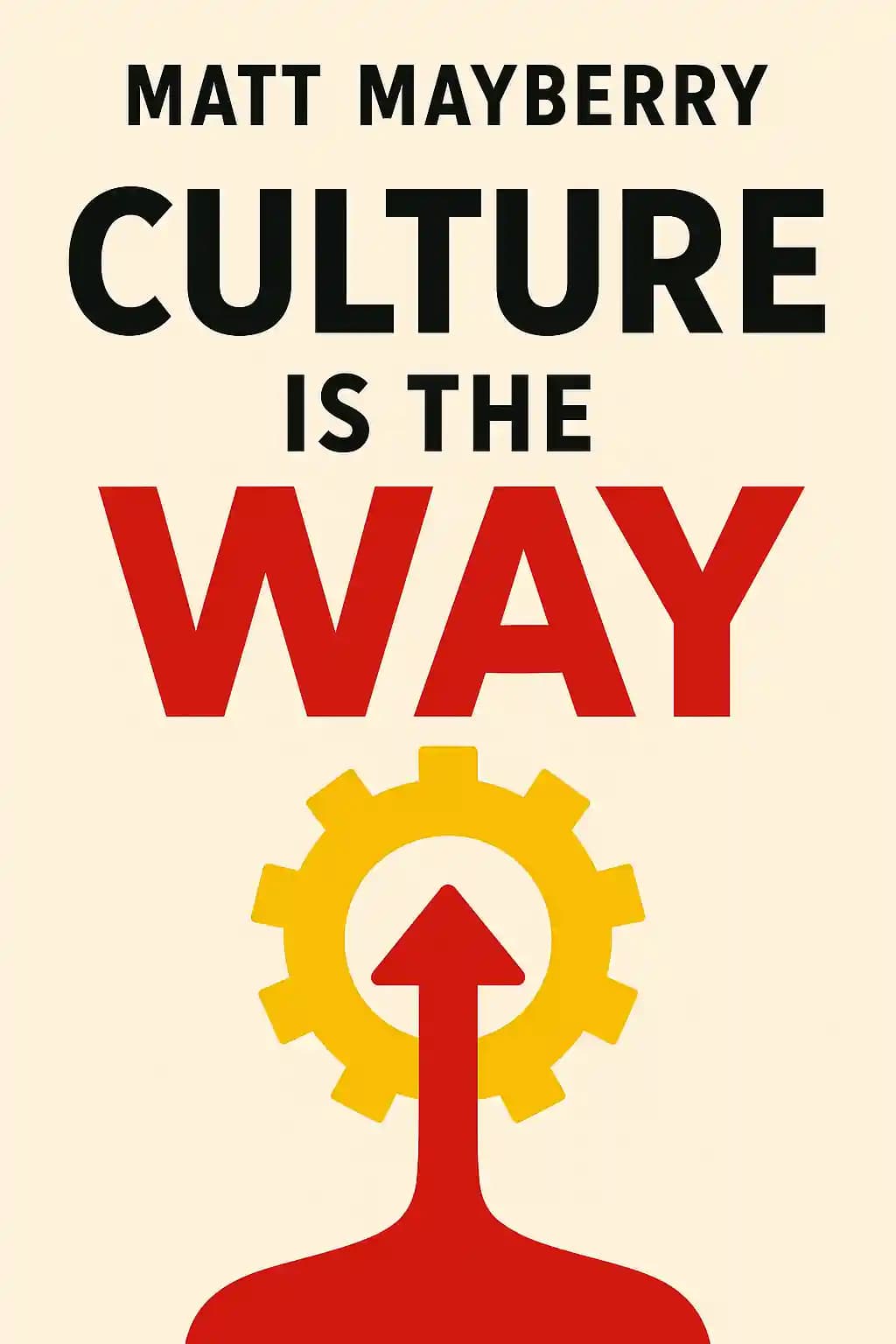
In a world where 80% of global workers remain disengaged and companies lose billions to toxic workplace environments, Matt Mayberry's insights couldn't be more timely. As a former NFL linebacker turned leadership consultant, Mayberry brings a unique perspective to organizational culture that has transformed companies like Southern Glazer's Wine and Spirits and caught the attention of business leaders worldwide. His approach combines the disciplined mindset of professional sports with practical business strategies that have proven effective across industries. "Culture Is the Way" has become a go-to resource for executives seeking to transform their organizations, with leaders from Fortune 500 companies implementing his framework to drive unprecedented results. What makes this book particularly powerful is that it doesn't just explain why culture matters-it provides a concrete roadmap for building it, sustaining it, and leveraging it for competitive advantage in an increasingly challenging business landscape.
Kapitel 2
The Power of Culture as Organizational DNA
Culture isn't just a buzzword-it's the invisible force that determines whether an organization succeeds or fails. Like human DNA, we can't see culture directly, but it fundamentally influences everything about how a company functions. Every organization has a culture-either "by default" or "by design"-and the current results any organization experiences directly reflect this cultural foundation.
Many leaders misunderstand what culture truly entails. During a consulting engagement, I encountered a Vice President of Sales named Derek who questioned why his team should "engage in all this culture talk" rather than focusing solely on selling. He believed updating core values and making them visible throughout the office was sufficient. This shallow understanding makes building a great culture impossible.
Culture isn't merely about flexible work arrangements, casual dress codes, or reciting mission statements at meetings. These superficial elements don't constitute true organizational culture, which runs much deeper than workplace policies or perks. While such perks aren't inherently negative, problems arise when leaders mistakenly define culture by how many amenities they offer rather than the behaviors and mindsets they cultivate.
What truly separates exceptional companies from average ones isn't merely talent or resources, but their culture. In professional sports like the NFL, teams with similar talent levels achieve dramatically different results because of their cultural foundation. As legendary football coach Bill Walsh said: "Champions behave like champions before they're champions. They have a winning standard of performance before they are winners." Culture precedes results, not the other way around.
A positive culture significantly improves performance through five essential elements. First, it creates employee energy and value by involving workers at all levels in decision-making. Second, it fosters alignment and togetherness, preventing silos by ensuring different divisions work cohesively toward common goals. Third, it establishes clear expectations, defining what's required of team members and reducing the stress and confusion that plagues over half the workforce. Fourth, it accelerates execution, as culture and strategy work concurrently to enhance impact. Finally, it attracts and develops talent, both drawing top performers and creating environments that safely push people beyond their comfort zones to grow.
Kapitel 3
The Dilemma Traps That Derail Culture-Building
Leaders often postpone culture-building until crisis strikes. The COVID-19 pandemic revealed which organizations had strong cultural foundations and which collapsed under pressure. This pattern persists because leaders frequently fall victim to "shiny object syndrome," chasing new technologies, systems, or initiatives while neglecting culture-building. While these aren't inherently unimportant, the problem arises when leaders blindly jump from one shiny object to the next, overlooking culture as the fundamental building block that enables success in everything else.
Why don't leaders prioritize culture despite its importance? The answer is simple: culture isn't sexy. Leaders are drawn to more appealing activities like tracking sales numbers or implementing flashy digital transformations with visible metrics. Building great organizational culture is excruciatingly difficult work without immediate gratification. The most valuable work pushes leaders beyond their comfort zones, just as quitting smoking or changing eating habits is difficult but necessary for health.
The consequences of succumbing to these dilemma traps can be catastrophic, as demonstrated by Boeing's tragic story. Once renowned for safety and culture, Boeing executives became driven by greed, prioritizing profits over safety concerns that led to two horrific plane crashes in 2018 and 2019. Despite engineers raising alarms about malfunctions, executives concealed information to avoid delaying the 737 Max's market entry. This represents the culture dilemma in stark terms: Boeing chose immediate financial gain over their foundational values of safety and ethical conduct.
In contrast, Ford Motor Company's remarkable 2006 turnaround under Alan Mulally demonstrates the power of culture-first leadership. When Ford was losing billions and facing an uncertain future, they recruited Mulally from Boeing. He recognized that behind Ford's operational issues lay deeper cultural problems, making culture his primary focus from day one. When culture serves as the foundation, "incredible forces rush to your aid," enabling clearer vision and greater achievement than before.
To avoid falling into culture dilemma traps, don't underestimate culture by treating it as "just a word." For everything you add to your organizational priorities, subtract something else-leadership teams often pursue too many initiatives simultaneously, losing focus on culture amid competing priorities. Finally, be ruthlessly clear about your priorities-intelligent leaders often make poor decisions due to lack of organizational clarity.
Kapitel 4
The Five Roadblocks to Cultural Excellence
Nearly 70% of organizational change efforts fail, highlighting the difficulty of implementing meaningful cultural transformation. Our world operates at unprecedented speed, rewarding organizations that continually reinvent themselves. While many leaders admire companies that successfully transform their cultures, they don't realize they can achieve the same results by anticipating potential roadblocks.
The first roadblock is lukewarm leadership buy-in, especially during initial stages when momentum is crucial. A Deloitte study found companies with effective leadership received a 15% equity premium, while those with ineffective leadership suffered a 19% discount. Senior leaders with years of experience often resist changing their leadership style, yet their verbal communication, actions, and even body language send powerful signals throughout the organization.
The second roadblock occurs when culture is reduced to meaningless slogans without substantive action. Words alone don't build or change culture-it takes behavioral change at scale that becomes ingrained into daily habits. There's a critical difference between "most of the time" behaviors and "repeatable" behaviors that become common practice.
The third roadblock is the temptation of instant gratification. When building organizational culture, leaders often start with good intentions but become discouraged when the time and energy invested doesn't yield immediate returns. The initial excitement fades as comfortable habits of the past begin to reassert themselves. Any goal worth achieving requires a delicate balance of tenacity and extraordinary patience.
The fourth roadblock involves distortion and distraction. Leaders become overwhelmed by too many ideas and initiatives, causing anxiety throughout the organization. The danger lies in rushing to adopt practices that worked elsewhere without considering your unique organizational challenges. Hart's Real Estate Firm exemplifies this problem-despite having a dedicated Chief Culture Officer gathering best practices, they failed because they didn't conduct the necessary discovery work to identify their specific weak points.
The fifth roadblock involves the difficulty of cascading cultural change throughout an entire organization. Each department has its own set of beliefs and ways of working, creating varied environments from overwhelmingly positive to distressingly negative. The challenge lies in undoing previously learned behaviors while implementing a strategic plan for communication and culture integration at scale.
To overcome these roadblocks, establish a red-hot focus on building and strengthening leadership connections months before beginning the culture journey. Transform values into repeatable daily behaviors and integrate culture into everything-hiring processes, onboarding programs, leadership development, and company-wide messaging. Set clear expectations early about the patience required for meaningful cultural transformation. Create a 12-month strategic roadmap for how your leadership team will drive culture, and develop a visual communication calendar outlining what will be communicated throughout the organization and when.
Kapitel 5
Five Steps to Building a World-Class Culture
Building a world-class culture requires an obsessive commitment to excellence. While technical skills matter, soft skills ultimately determine a leader's impact and fate. Organizations that prioritize developing employees as people first create benefits extending beyond the workplace. Every organization can develop a thriving culture that propels business performance to new heights through a five-step process.
Step one is defining your culture. In world-class enterprises, everyone knows what the culture stands for and what's expected of them. This first step involves creating a cultural purpose statement that serves as the foundation for everything else and aids organizational alignment.
Step two is discovery through collaboration and inspiration. This phase engages the entire organization through a collaborative approach where senior leaders partner with people managers, soliciting employee feedback throughout. While senior leadership is crucial for large-scale change, this bottom-up approach proves more effective by inspiring deeper commitment from managers and key stakeholders.
Step three focuses on launching, cascading, and embedding the culture. Having strong core values and defining culture openly isn't enough-leaders must prioritize disseminating it throughout the entire organization. This stage focuses on launching and relentlessly implementing culture across all departments and embedding it across all functions.
Step four drives long-term impact. Creating momentary cultural buzz produces only short-term effects. The true test is developing a sustainable culture that becomes part of your organization's DNA and delivers ongoing innovation. This stage helps reduce the likelihood of only short-term impact by developing strategies for creating sustainable culture that consistently delivers results.
Step five emphasizes that leaders must blaze the trail. The final and decisive stage in creating world-class culture hinges entirely on leadership modeling. Success or failure depends on how well leaders demonstrate the desired behaviors daily, establish clear cultural expectations, and forge the path forward. Leaders send powerful messages through their regular actions-employees are constantly watching, even when leaders believe no one notices.
Kapitel 6
Creating Your Cultural Purpose Statement
A clearly defined culture provides organizational alignment and unleashes dormant potential. This was demonstrated when I worked with Southern Glazer's Wine and Spirits of Illinois (SGWS-IL) in 2018. Despite their commercial success, when asked to define their culture, twenty senior leaders gave thirty-five different answers-some referencing company values, others citing mission statements, while others offered generic words like "excellence" and "commitment."
Through collaborative work, we developed a simple but powerful cultural purpose statement: "Get Better Today...Together." This four-word statement became their North Star, helping them not only survive but thrive during the pandemic. A strong cultural purpose statement doesn't just define workplace culture-it provides clarity, drives alignment, and can profoundly impact both professional and personal lives of team members.
The power of this statement was evident in the stories of employees like Joshua, a twenty-year company veteran who initially dismissed it as just another temporary slogan. But as he faced personal challenges-losing a parent while dealing with pandemic stress-the sustained commitment to this cultural statement became his lifeline. "It really pulled me out of the gutter," he confessed emotionally. "We were one team. We were in this together! Suddenly, I didn't feel so alone in my life."
Elite college football coaches offer excellent examples of cultural purpose statements in action. Unlike business leaders, coaches face immediate public scrutiny, weekly scorecards, and constant pressure to win now. This intensity makes them masters at unifying diverse groups through culture. Mel Tucker's "Relentless" mantra at Michigan State drove an 11-2 season turnaround; Tom Allen's "L.E.O." (Love Each Other) philosophy transformed Indiana's program; Nick Saban's legendary "The Process" at Alabama focuses on daily excellence rather than end results; and P.J. Fleck's deeply personal "Row the Boat" philosophy at Minnesota breaks down into three components: the oar (energy), the boat (sacrifice), and the compass (direction).
When creating your own cultural purpose statement, avoid three common misconceptions: 1) Don't confuse it with a mission statement-it should define your culture's foundation in a memorable way; 2) Recognize it's just one step in the culture-building journey, not the entire solution; and 3) Don't wait for unanimous agreement-leaders must lead the cultural direction rather than getting bogged down in endless consensus-building.
Kapitel 7
Winning Hearts and Minds for Impactful Culture-Building
Building a strong culture requires winning the hearts and minds of your entire organization. Google's "Project Aristotle" discovered that psychological safety-where team members feel safe to take risks and be vulnerable-was the most critical factor in team success. As Harvard professor Amy Edmonson explains, "Psychological safety isn't about being nice. It's about giving candid feedback, openly admitting mistakes, and learning from each other."
Culture change initiatives often fail because they're driven by a small group of leaders with minimal input from others. When responsibility is delegated to committees or HR departments without collaborative engagement across all levels, transformation stalls. True change begins when all voices are heard and all input is encouraged. Direct Federal Credit Union's CEO Joe Walsh exemplifies leadership commitment to culture-building, believing culture needs to be "top-down directed but bottom-up created."
After selecting "Get Better Today...Together" as their cultural purpose statement, SGWS-IL implemented a collaborative approach to drive engagement and identify key behaviors to bring their values to life. First, they identified problem areas in the existing culture through deep discussions with senior leaders and managers. Second, they engaged every manager in the company for feedback, holding meetings without senior executives present to encourage honest sharing. Third, they transformed values into specific daily behaviors, analyzing over 200 pages of insights from managers to create behaviors that would enhance both organizational health and commercial execution. Finally, they established regular company-wide manager meetings for development and connection.
This collaborative approach yielded remarkable benefits by involving front-line and middle managers who often understand cultural challenges better than senior leaders. The process not only drove deeper meaning and commitment but also broke down silos, forming a healthier, more connected management team. While initial resistance is normal and complete buy-in is never guaranteed, consistency and prioritization of effort gradually build bonds that amplify business impact.
Kapitel 8
The Culture Implementation Playbook
Many leaders recognize the need to improve organizational culture but struggle with implementation. Using the concept of a "playbook" from sports provides a familiar framework for planning and executing culture change. A cautionary scenario illustrates how culture change initiatives fail despite initial enthusiasm when leaders believe that simply sharing new values will automatically transform the organization, without a concrete implementation plan to sustain the initial excitement.
Six key pain points limit culture change implementation: 1) Poor preparation and planning without a clear playbook, 2) Lack of understanding and relatability where only 27% of employees believe in company values, 3) Misrepresentation of old mindsets without explaining what's being abandoned, 4) Insufficient communication strategy relying on standard channels, 5) Absence of shared behavioral shifts that transform values into specific actions, and 6) Failing to highlight positive examples that build momentum during the change process.
Drawing from football experience where detailed playbooks served as guides and cultural blueprints, leaders need their own implementation playbook. Launching culture requires "shocking the organization"-not negatively, but with compelling messaging that sends purposeful shockwaves throughout the company. The approach demands vigor, enthusiasm, diverse communication channels, and consistent delivery.
The culture implementation playbook developed for SGWS-IL addressed these pain points through four key actions. First, they drove alignment forward by ensuring complete alignment among all leaders and managers through focused meetings. Second, they created a behavioral manifesto-a one-page master document with clear behavioral statements supporting each cultural pillar. Third, they developed a strategic communication plan that went beyond PowerPoints and emails. Finally, they created a culture rollout roadmap outlining a three-phase implementation journey: communication, embedding, and engagement.
After launching the GBTT culture, the organization buzzed with excitement and relief despite the considerable work ahead. Leaders found the transformation process rewarding as they witnessed the shift from occasional value discussions to a well-defined culture with clear behavioral expectations. The command-and-control management style gradually gave way to more inclusive communication, and silos began shrinking as leaders made conscious efforts to break them down.
Kapitel 9
Be Fanatical About Sustained Impact
Being "fanatical"-having extreme enthusiasm, devotion, and zeal-is essential for creating a high-performing culture that lasts. While getting started on culture change requires determination and inspiration, the real challenge is consistency and making it part of everyday organizational life. For driving long-term cultural change, being fanatical about the process rather than the outcome makes the difference between organizations that create lasting cultural success and those that don't.
The five-step fanatical framework begins with continuous attention, development, and nurturing. Culture building isn't a weekly or monthly task but requires ongoing focus. Many cultural initiatives fail because they're segmented-prioritized one month and forgotten the next when business picks up. Microsoft CEO Satya Nadella takes this so seriously that he believes the "C" in CEO stands for culture.
The second step is consistency and alignment. Messaging must be consistent with the organization's decision-making and daily actions. Common inconsistencies include espousing values like "trust" while micromanaging employees, or emphasizing culture's importance without providing relevant training.
The third step is focusing on the vital few. Attempting to do everything at once is unsustainable. While it's tempting to launch numerous initiatives hoping some will create impact, this approach typically fails. Instead, identify the vital few areas for improvement that will strengthen culture while improving organizational performance.
The fourth step is follow-through. Once you've identified your vital few cultural imperatives, shift focus to relentless follow-through. Starting initiatives without completing them is meaningless. Without tenacious commitment to bringing culture to life daily and honoring original commitments, culture risks becoming just another "start-and-stop" fad.
The fifth step is making the business case. Leaders must present a convincing argument for how sustainable culture enhances business performance. Many leaders become jaded about culture initiatives because they fail to connect and embed them into actual business operations.
To create sustainable cultural impact, implement eight key strategies: 1) Rigorous training and reinforcement, 2) A cultural impact committee with representation from all divisions and levels, 3) Defined and prioritized cultural imperatives, 4) A handbook of cultural guidelines, 5) Igniting and inspiring your teams through storytelling, 6) Creating an environment of recognition, 7) Mentoring and coaching programs, and 8) Connecting culture to learning and development.
Kapitel 10
The Ultimate Differentiator Is Leadership
Leadership quality is the ultimate differentiator in any organization. When two equally talented teams compete, the one with more effective leaders will prevail. As Dan Cathy of Chick-fil-A discovered, "What is in the business is a reflection of leadership." His realization that personal growth as a leader would improve the company proved transformative.
Leaders play a critical role throughout the cultural transformation journey-from establishing direction at the start, to modeling behaviors midway through, to making culture the heart and soul of the company. While everyone contributes to cultural success, leaders' performance disproportionately impacts outcomes. Leaders must commit to three essential actions: setting a compelling vision that connects with people through stories rather than metrics; leading the way forward by modeling the desired behaviors before expecting others to change; and coaching for excellence by helping team members discover their potential.
Creating a winning culture in today's fast-paced business environment requires transformational leadership to overhaul outdated processes and mindsets. This leadership approach involves stimulating followers to achieve extraordinary outcomes while developing their own leadership capacity. The transformational leadership framework shows how leader transformation enables them to transform others, which transforms culture, which transforms the organization, ultimately improving performance.
Self-transformation begins with the leader and multiplies impact throughout the organization. This transformation doesn't require catastrophic events-it's an evolutionary process starting with intentional growth beyond your comfort zone. Carol Dweck's research on mindset shows that adopting a growth mindset (believing you can develop regardless of circumstances) rather than a fixed mindset (believing talents are predetermined) is crucial.
Despite leadership's critical role in culture creation, organizations often devote surprisingly little time to developing their leaders. The goal should be building a leadership factory that consistently develops all leaders and managers, who then develop others, creating more leaders throughout the company. This requires making leadership development a top priority that can't be postponed even during busy periods.
Kapitel 11
Commercial Execution: Where Culture Meets Strategy
Peter Drucker's quote "Culture eats strategy for breakfast" is only partially right. While culture is vital, it shouldn't exist separate from strategy-they must be intertwined. The primary purpose of culture isn't just to make employees happy, but to drive winning behaviors that execute strategy and achieve organizational excellence. Like football coaches who build great cultures but still focus intensely on game strategy, businesses need both elements working together.
When working with an electrical company, I discovered a disconnect-executives thought the culture was terrible while employees thought it was amazing. The issue? Five years earlier, they'd successfully focused on improving survey scores and breaking down silos, but lost sight of what made them special as market leaders. They became fixated on making people happy and giving autonomy without connecting culture to commercial execution. While employee happiness and survey scores matter, culture must also streamline vision, boost productivity, increase profitability, and ensure long-term viability.
The best organizations know their unique DNA and leverage it fully. Disney exemplifies this principle by understanding their cultural purpose-creating magical experiences and emotional connections. Their organizational values manifest in extraordinary customer experiences, as illustrated by Chef Bea going to a grocery store after work to buy special ingredients for an autistic boy's gluten-free apple pancakes.
Organizations should establish a clear aspirational vision for commercial success with a memorable theme, like SGWS's "FOCUS 2022" where each letter represented different aspects of their commercial strategy. Leaders must maintain unwavering commitment to sharing this vision and showing how it correlates with the organization's culture. They must also articulate strategic objectives, identify growth pockets, create a tactical roadmap, develop commercial skills and competencies, and connect everything back to culture.
Just as NFL teams are obsessed with talent acquisition and development, business leaders must prioritize talent as a critical component of commercial success. Leaders should not delegate talent management entirely to HR but instead take ownership of the process while working in partnership with HR teams. The best leaders are constantly thinking about attracting top talent, maximizing current talent potential, and ensuring the right people are in the right roles.
Kapitel 12
Becoming a Chief Culture Driver
The journey to becoming a "Chief Culture Driver" is available to leaders at all levels. Terry Brick of Southern Glazer's Wine and Spirits of Illinois serves as a powerful example-a veteran leader who transformed his organization by embracing culture late in his career, consistently growing gross profit faster than revenue. His only regret was not focusing on culture earlier. Becoming a Chief Culture Driver not only improves business results but transforms how you lead and interact with others.
People are the "Magic Ingredient" that makes organizational success possible. Echoing Richard Branson's philosophy that employees come first, leaders must avoid becoming so fixated on numbers and strategy that they forget who actually delivers results. Despite technological advances, people remain at the center of everything an organization does. Research shows 75% of companies fall short in transformation efforts because they focus on change agendas rather than the people implementing them.
To implement the "Magic Ingredient" and build a people-centered organization, leaders should focus on specific practices. First, ask questions and listen-discard formal presentations in favor of roundtable discussions where you ask employees about their feelings, challenges, and capacity for change. Second, redefine HR's role to be more strategically integrated with business operations, moving beyond being mere "business partners" to become "value-creators of a strategic business." Third, measure the people-related aspects of your organization with the same rigor as other business metrics.
Being a relentless, extraordinary Chief Culture Driver is the most important leadership role you'll ever have. The five-step culture-building process serves as a guide whether transforming or tweaking culture: creating a cultural purpose statement as a North Star, winning hearts and minds through collaborative feedback, implementing a culture strategy with clear behavioral manifestos, being fanatical about sustaining cultural impact, and having leaders model desired behaviors. The key lesson is to move urgently but start small-building momentum gradually rather than trying to change everything at once.
Building an extraordinary culture takes longer than expected, but the challenge makes the achievement more fulfilling. True Chief Culture Drivers make this their never-ending mission-creating an environment that enriches employees, customers, and everyone who encounters the company. There's something magical about the human spirit when connected to a vision that ignites passion. By committing to this journey, you'll build an organization primed for speed, impact, and excellence-because Culture Is the Way!